Technical tips · Brakes
Bike Brakes:
types, differences and how to choose
Disc or V-brake, hydraulic or cable, mineral oil or DOT. A workshop guide that explains every type of bike brakes and helps you choose the right one.
By Marko Ristivojević, Master Bike Mechanic
In short
What are bike brakes? Bike brakes turn motion into heat by pressing pads against a brake rotor or a rim. They split into disc brakes (hydraulic and mechanical) and rim brakes (V-brake and road caliper). Hydraulic systems use mineral oil or DOT fluid, which must never be mixed.
Types
Disc brakes and rim brakes
Fluid
Mineral oil or DOT, never together
Pads
Replace at about 1 mm of material left
Service
Bleeding 30 KM, pad replacement 10 KM
Author: Marko Ristivojević, Master Bike Mechanic · BK MTB Evolution, East Sarajevo
Bike brakes from the workshop's point of view
I have been servicing bikes since 2015, and the wrong choice of bike brakes or the wrong fluid in the system is the most common reason a bike ends up in the workshop. This guide collects what really happens with brakes.
For anything that needs special tools and experience, there is Evolution Bike Service in East Sarajevo.
Types of bike brakes: overview
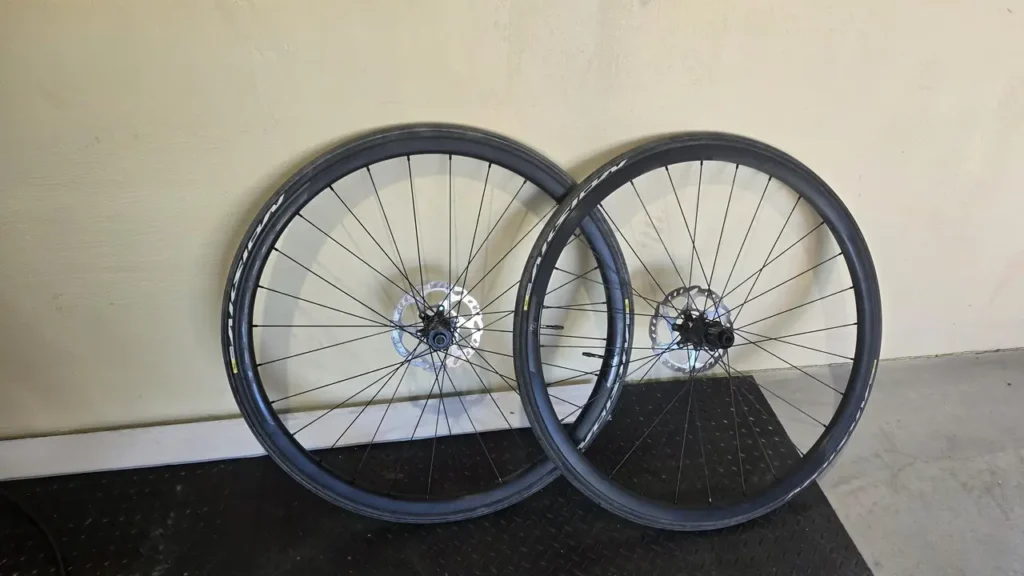
Disc brakes. Pads squeeze a brake rotor mounted on the wheel hub. They handle rain and mud better than rim brakes and are now the standard on MTBs, e-bikes and new road bikes.
Rim brakes. V-brakes and road calipers squeeze the side of the rim. They are light and cheap, but brake worse in the wet and wear the rim. You find them on older bikes and kids' bikes.
Force transfer. Force travels through a cable in housing (mechanical) or through oil in a hose (hydraulic). Hydraulics give more power and better modulation, but need bleeding and the right fluid. Overview of brake types on Wikipedia.
Disc brakes: hydraulic and mechanical
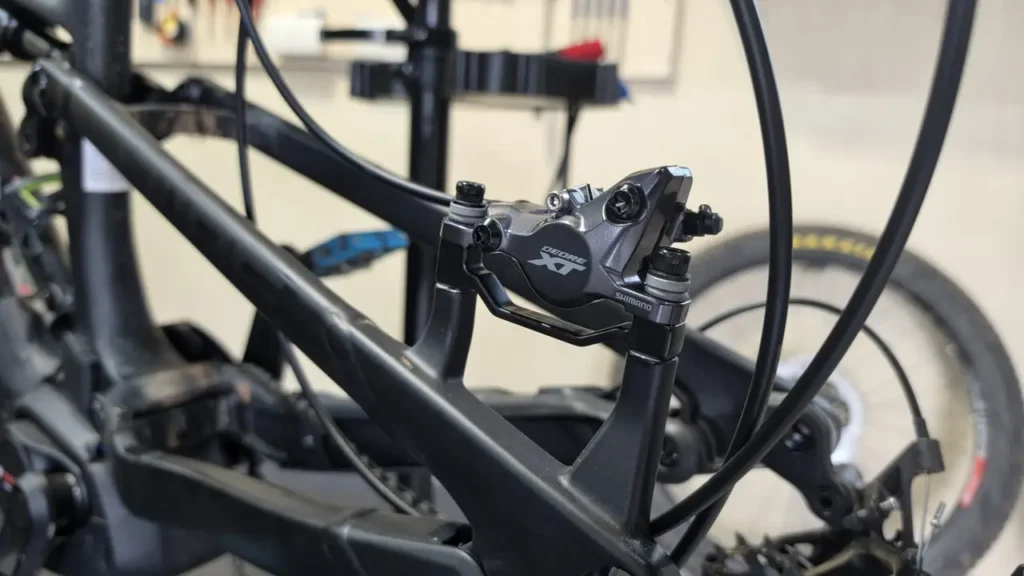
Hydraulic. The lever pushes fluid through the hose to the pistons in the caliper, with no cable friction or stretch. The price of precision is maintenance: bleeding Shimano brakes or SRAM hydraulic brake service.
Mechanical. They use an ordinary cable, so they are simple to service, but power and modulation are weaker. A good choice for city and trekking bikes. More in the guide to bike cables and housing.
Brake rotor. Diameter ranges from 140 to 203 mm. A larger rotor sheds heat better, so MTBs use 160, 180 or 203 mm and road bikes 140 or 160 mm. Rotor size and caliper mount must match.
Adjustment. Rotor rub and short lever travel are fixed by centering the caliper. The procedure is in the guide to centering disc brakes, and general adjustment in the guide to adjusting bike brakes.
V-brake and road bike brakes
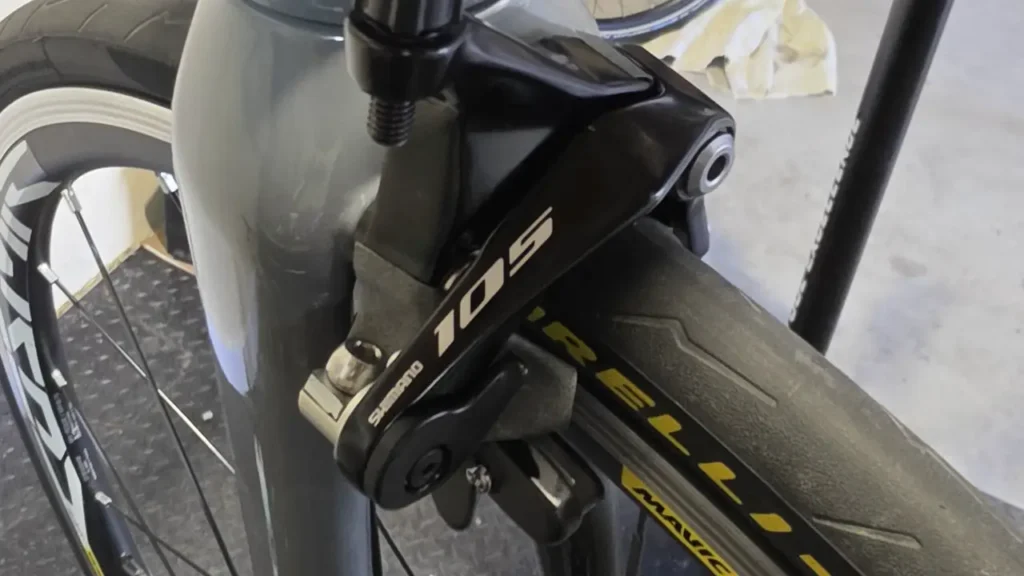
V-brake. Two long arms squeeze the rim. They are simple and cheap and work well in dry conditions. Braking drops in rain and mud, so discs are better off-road. Before replacing anything, check the rim: a glazed or greasy rim will not brake even with new pads. Service: V-brake service.
Road caliper. Road bike brakes that grip the rim are light and simple, but weaker in the wet and heat the rim on long descents.
Road bike with discs. The UCI permanently allowed discs in 2018, and since 2025 there are no rim brakes at the WorldTour. Retrofitting is not possible without a frame and fork with disc mounts.
V-brake or disc brakes? For asphalt and dry weather V-brakes are enough; for mountains, rain and long descents disc is the clear choice.
Mineral oil or DOT
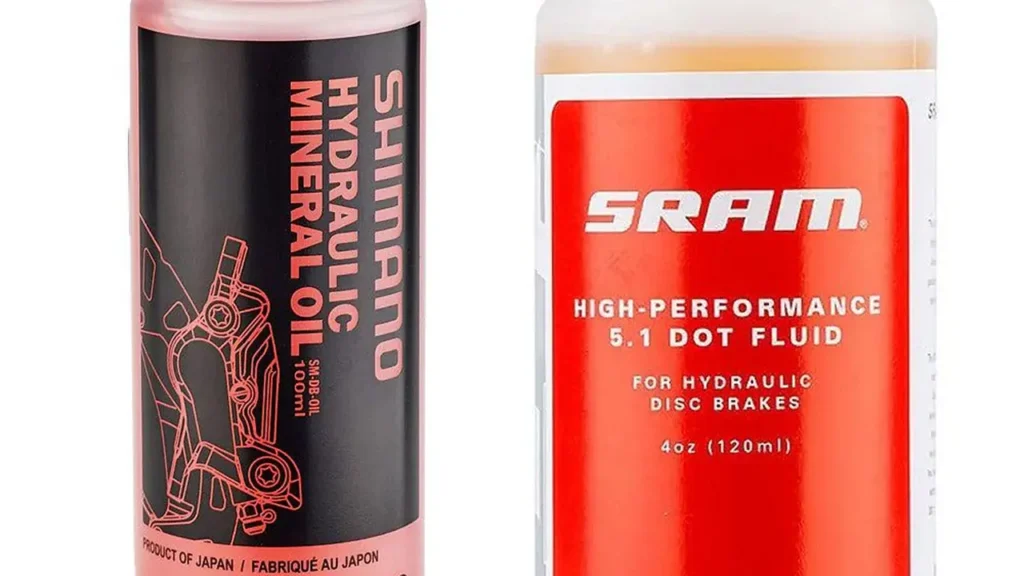
Mineral oil. Used by Shimano, Magura, Tektro and Campagnolo. It does not absorb moisture and is gentler on paint and skin.
DOT fluid. Usually DOT 5.1, used by SRAM, Hope and Hayes. It handles more heat but absorbs moisture and damages paint, so it is changed more often. BikeRadar also explains the differences.
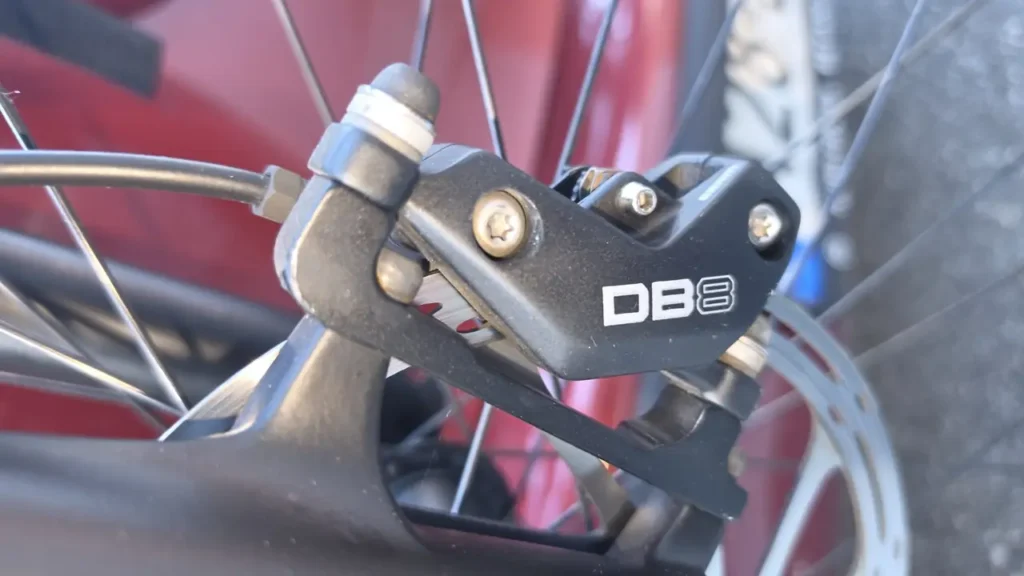
Never mix them. The wrong fluid swells the seals in the lever and caliper. Do not assume by brand: SRAM DB8 uses mineral oil. Check the reservoir cap or the manual.
Brake pads and maintenance
Pads. Organic pads are quieter and bite immediately, metallic (sintered) pads last longer on long descents, and pads with cooling fins are for e-bikes and enduro. The pad must match the caliper, and the brake pad finder helps.
Replacement. Pads are replaced when about 1 mm of material is left, when they are glazed, or when the brake squeals and loses power. The procedure is in the brake pad replacement guide. New pads and rotor need bedding in.
Problems. A soft lever means air in the system, and squealing is most often grease on the rotor or glazed pads. Causes and fixes are in the guide to squeaky bike brakes.
Pro tip: if you do not know which fluid is in your brake, do not top it up and do not bleed it on a guess. Bring the bike to hydraulic brake service. According to the price list, bleeding is 30 KM, pad replacement 10 KM and brake tuning 10 KM.
Bike brakes FAQ
What are the best bike brakes?
For most modern bikes, hydraulic disc brakes, because they give the most power and control in rain and mud. For a city bike, mechanical disc brakes or well-kept V-brakes are enough.
Can I mix mineral oil and DOT?
No. The fluids are incompatible, and the wrong one destroys the seals in the lever and caliper. Use what the manufacturer specifies, and when in doubt read the label on the reservoir cap.
When should I replace brake pads?
When about 1 mm of material is left, when they are glazed or greasy, or when the brake starts squealing and losing power. With disc brakes, also check the condition of the rotor.
Can a road bike get disc brakes?
Only if the frame and fork have disc mounts. A bike built for rim brakes cannot be retrofitted, so discs need a new frame or bike.