Tech tips · Drivetrain and chain
Derailleur Adjustment:
H, L and B Screws Step by Step
Good derailleur adjustment comes down to three things: limit screws, cable tension and cage height. Get them right and you get smooth shifting and less cassette wear. Here is how to set them, with a mechanic's advice.
By Marko Ristivojević, Master Bike Mechanic
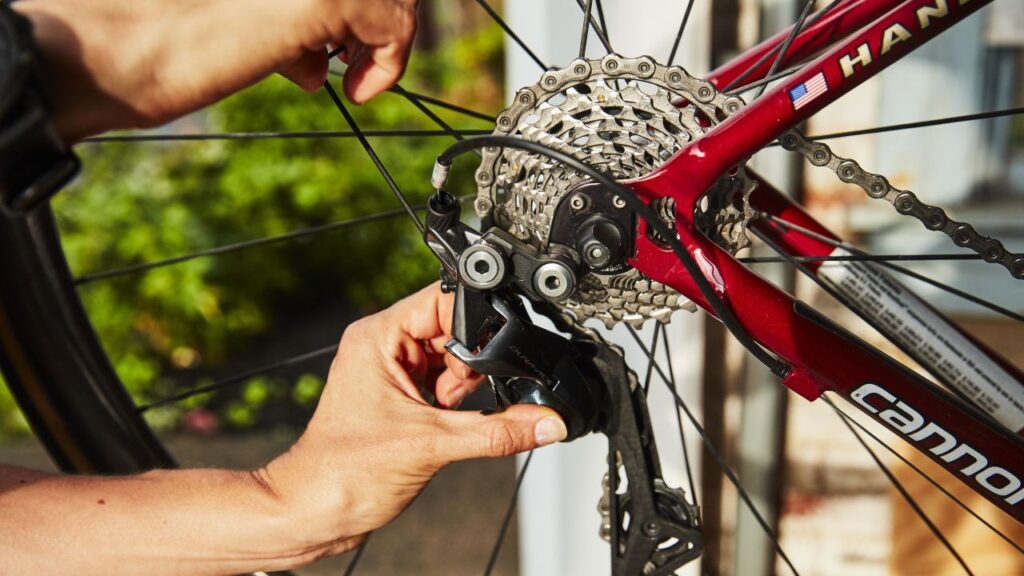
In short
This guide shows how to set the H and L limit screws, the cable and the front cage height, so the chain moves precisely from one cog to the next.
Tools
Allen key and screwdriver
Jockey wheel gap
5–6 mm gap
Front cage
1–3 mm above the teeth
Difficulty
Medium
Author: Marko Ristivojević, Master Bike Mechanic · BK MTB Evolution, Istočno Sarajevo
What a well-adjusted derailleur means
Poor shifting affects safety, pedaling efficiency and the life of your drivetrain, whether you ride a mountain bike or a road bike.
The derailleur is the heart of the drivetrain and the most common source of bike shifting problems, so this guide goes in order: limit screws, cable, jockey wheel height, then the front derailleur.
Derailleur adjustment: why precision matters
Wear. A rattling or skipping chain quickly wears down the cassette and chainring teeth.
Diagnosis. A derailleur that reacts slowly or skips under load can point to a bent derailleur hanger or worn cable housing.
Safety. A chain that unexpectedly drops on a steep climb is a hazard you need to eliminate. Check wear with the guide on drivetrain component wear.
Rear derailleur: H and L limit screws
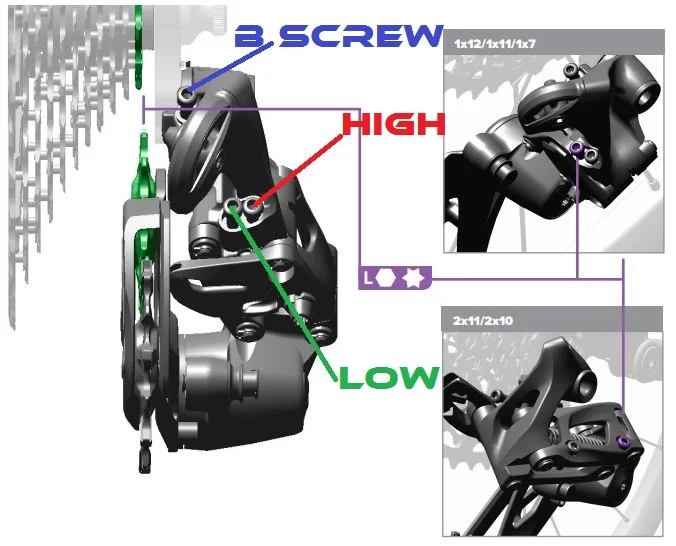
What limit screws do. They set the end points of the derailleur cage's travel and keep the chain from dropping off.
H-screw (smallest cog). Put the chain on the smallest chainring at the front and the smallest cog at the back. Align the chain guide exactly under the teeth of the smallest cog.
L-screw (largest cog). Put the chain on the smallest chainring at the front and the largest cog at the back. Align the upper jockey wheel with the edge of the largest cog.
Watch the L-screw. If you loosen it too much, the chain can fall between the spokes and the cassette and cause serious damage.
Cable and B-screw: fine-tuning
Slow shift to a larger cog. The cable is too loose. Turn the barrel adjuster counterclockwise a quarter turn at a time until the shift is instant.
Slow shift to a smaller cog. The cable is too tight. Turn the barrel adjuster clockwise until the shift is smooth.
B-screw. The gap between the upper jockey wheel and the teeth of the largest cog should be 5–6 mm. Put the chain on the largest cog and turn the screw in or out until you reach that gap.
Consequences. If the derailleur is too close, the chain squeaks loudly. If it is too far, shifting is slow and imprecise.
Front derailleur: three key points
Height and angle. The cage must be parallel to the chainrings, with the lower edge of its outer plate 1–3 mm above the teeth of the largest chainring.
L-screw (smallest chainring). With the chain on the largest rear cog, set the L-screw so the inner plate of the cage is 1 mm from the chain.
H-screw (largest chainring). With the chain on the smallest rear cog, set the H-screw so the outer plate of the cage is 1 mm from the chain.
When adjusting doesn't help: service
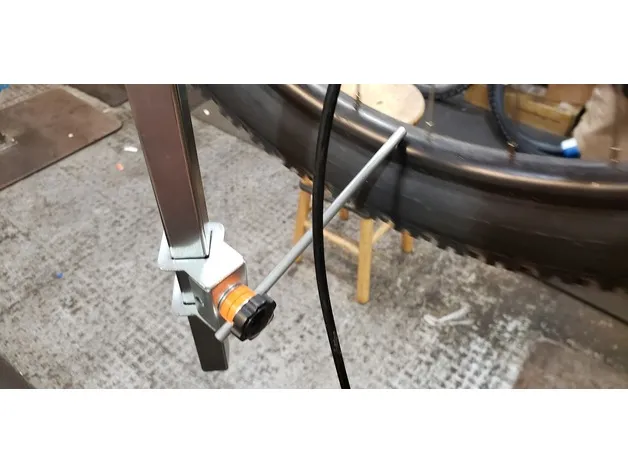
Bent derailleur hanger. If the derailleur doesn't shift smoothly even with perfect limit screws, especially in the middle of the cassette, the hanger is probably bent and needs straightening with a special tool.
Cables and housing. Old cables corrode and housing fills with dirt. Only replacement helps, see cable and housing replacement.
Worn drivetrain. A stretched chain and sharp cassette teeth can't be fixed by adjusting, only by replacing them, see chain and cassette service.
Pro tip from mechanic Marko Ristivojević: Before you touch a single screw, check that the derailleur hanger is straight and that the chain is clean and lubricated. Most "unadjustable" derailleurs come from a bent hanger or a dry cable inside the housing, not from wrong limit screws. Adjust the cable with the barrel adjuster in quarter-turn steps and run through all the gears after each step. Specs for your model are in the Shimano technical documentation and the SRAM service manuals.
FAQ
How do I know my derailleur needs adjusting?
The signs are a skipping chain, slow or hesitant shifting, the chain dropping below the smallest cog, and the derailleur rattling while you pedal.
Can I adjust a rear derailleur myself?
Yes, with basic tools and a little patience. What matters is setting the H and L limit screws, the cable tension and the jockey wheel gap correctly.
Why does my chain skip?
Most often it's incorrect H and L limit screws, a bent derailleur hanger, a worn chain and cogs, or a cable that's too tight or too loose.
How often should I adjust my derailleurs?
At least twice a year, and always after replacing the cable and housing, after a bad crash or after riding in mud.