Tech tips · Drivetrain and chain
Bike pedals
Flat, SPD and thread standards
Your bike pedals are the main point where your power goes into the bike. The right choice affects speed, knee health and safety, and the wrong thread can ruin a crank. Here is how to choose and maintain them.
Written by Marko Ristivojević, Master Bike Mechanic
In short
Which bike pedals should you choose? For city and enduro riding, pick flat pedals with pins. For XC, marathon and touring, go for an MTB SPD system that lets you walk normally. Almost all modern bikes use a 9/16 inch thread, and only kids' and BMX models use 1/2 inch.
Thread
9/16 inch on 99% of bikes
Types
Toe clips, flat and clipless
For MTB
Flat with pins or SPD
Bring it to the shop
Seized pedals, knocking in the drivetrain, damaged crank thread
Author: Marko Ristivojević, Master Bike Mechanic · BK MTB Evolution, Istočno Sarajevo
Evolution mini workshop: pedals without the confusion
Your choice of bike pedals affects not only speed, but also knee health and safety in risky situations. In this guide we explain the thread standards and the three pedal designs that dominate the market.
For seized pedals, bearing service and damaged cranks, our Evolution bike service in Istočno Sarajevo is here to help.
Bike pedals: pedal thread standard and compatibility
9/16 inch (about 14.3 mm) – the standard for 99% of modern MTB, road and city bikes, 20 threads per inch
1/2 inch (about 12.7 mm) – the so-called BMX standard on kids' bikes, BMX models and cheap one-piece cranks
French standard (14 mm) – extremely rare, found only on old vintage bikes
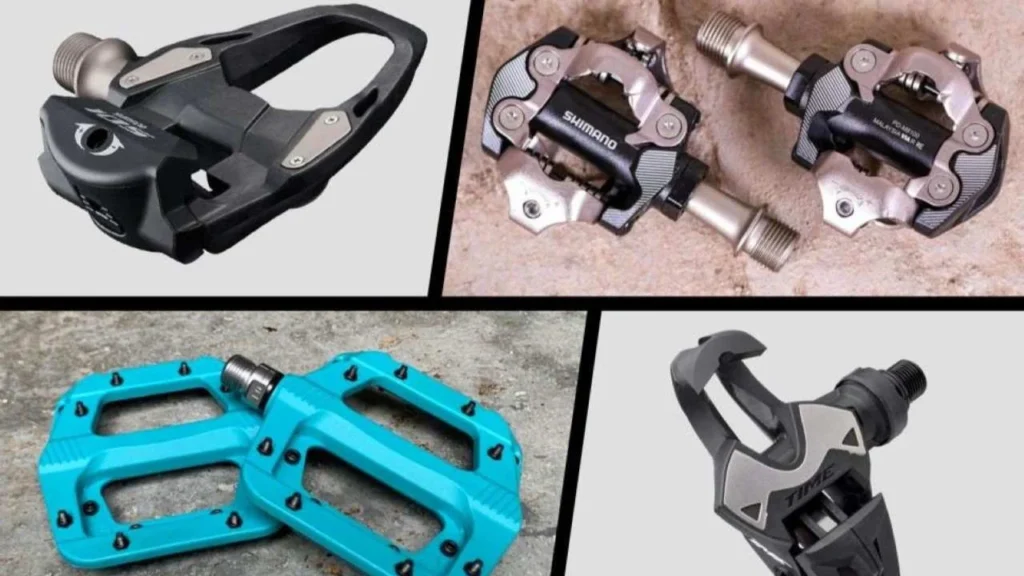
Three basic types of pedals
Toe clips (cages with straps) – an outdated solution, today mostly seen on fixies. You have to loosen the strap before putting your foot down, which is risky in a sudden stop
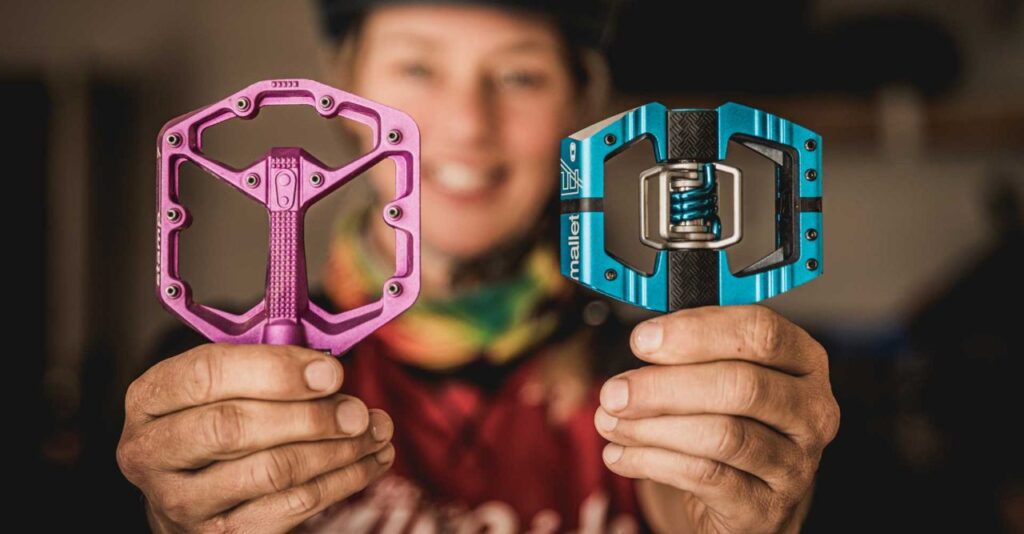
Flat pedals (platforms) – from plastic city pedals to off-road platforms with metal pins that give excellent grip even with wet and muddy soles
Clipless pedals (click-in) – they require shoes with cleats, give the best connection to the bike, and you release your foot by twisting your heel outward
Hybrid pedals – a platform on one side and an SPD mechanism on the other. The downside is that they are double-sided, so you often have to look down at the pedals when starting off
Road or MTB clipless system?
Road systems (Shimano SPD-SL, Look, Time) have large cleats that stick out of the sole, so walking is almost impossible
MTB systems (Shimano SPD, Crank Brothers, Time ATAC) have small metal cleats recessed into the shoe sole
Walking difference – a recessed cleat gives stability when you get off the bike, while a large cleat slides on asphalt and trails
Buying tip – unless you ride only on asphalt and never get off the bike, MTB SPD pedals are the more practical choice, even for a road bike
Maintenance and seized pedals
Lubricate the mechanism of SPD pedals – it prevents squeaking and makes clipping in easier
Watch the thread direction – the right pedal loosens counterclockwise, while the left has a reverse thread and loosens clockwise
Don't force seized pedals – you can damage the crank thread, and a workshop has tools for the most stubborn cases

How to choose pedals for your riding style
City and recreational riding – plain flat pedals are enough
Enduro, downhill and freeride – flat pedals with pins, but watch your shins in a crash
XC, marathon and long rides – an MTB SPD system for efficiency and normal walking
Pro tip: in the workshop we see that riders get used to MTB SPD most easily thanks to its safety and versatility. For the first few rides, set the release tension to the lightest setting. Pedal installation is also described in the Park Tool guide, and for more on drivetrain service see: chain and cassette service.
FAQ: Frequently asked questions about pedals
What thread do bike pedals have?
Almost all MTB, road and city bikes use 9/16 inch, while kids' and BMX models use 1/2 inch.
Flat or clipless pedals?
Flat pedals give you freedom and are easier to learn, while clipless pedals give better power transfer and a stable connection between foot and pedal.
Can I fit SPD pedals on a road bike?
Yes, if you're happy walking in shoes with a recessed cleat. The crank thread is the same 9/16 inch.
How do I remove seized pedals?
Use a long wrench and pay attention to the thread direction. If it won't budge, don't force it, take the bike to a workshop.
Why do pedals squeak or knock?
The cause is often a dry mechanism or a worn bearing, and knocking can also come from a loose pedal or crank.