Buying a new two-wheeler is an exciting moment, but with the huge number of models on the market, it can also be pretty confusing. If you are wondering how to choose the right bike for yourself, you are in the right place. The best bike depends on your real needs, the terrain you plan to ride and, of course, your budget. In this comprehensive guide, we will walk you through all the key factors to consider before you make a final decision and spend your money.

1. Define Your Purpose and Terrain
The first and most important step is to be honest about how and where you plan to ride. There is no "universally best bike", only the best bike for a specific purpose.
- City riding: If your bike is only for getting to work, university or the shop, you don't need expensive equipment. You need a comfortable, upright riding position, fenders and good lights.
- Mountain biking (MTB): Do you want to ride gravel roads, forests and rough terrain on Ilinjača? MTB is the obvious choice.
- Road cycling: If you love only asphalt and high speeds, nothing can replace the narrow tires of a road bike.
- Mixed riding (Gravel): Can't decide between asphalt and light gravel? Gravel bikes solve that problem.
2. How to Choose the Right Bike: Main Types
🛣 Road Bike
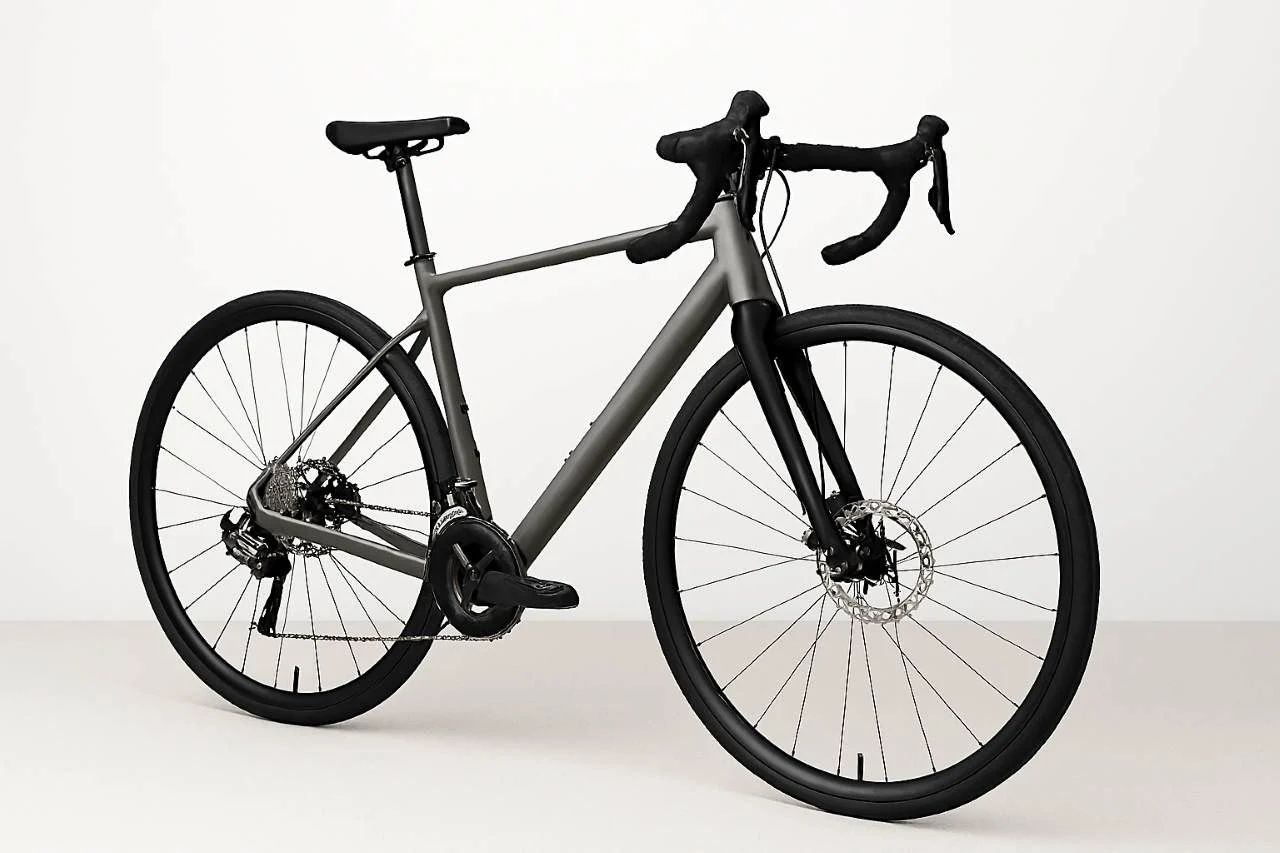
These machines are built for speed. They are recognizable by an extremely light, aerodynamic frame, thin high-pressure tires and curved handlebars ("drops"). They are perfect for asphalt marathons, but useless (and dangerous) as soon as you leave the pavement.
⛰ Mountain Bike (MTB)
The king of nature. A sturdy frame and wide knobby tires guarantee stability, while suspension (shock absorbers) soaks up the bumps. MTBs are further divided into Cross-Country (XC) for racing, Trail/Enduro for demanding forest trails and Downhill strictly for descents.

🚵♂️ Gravel Bike
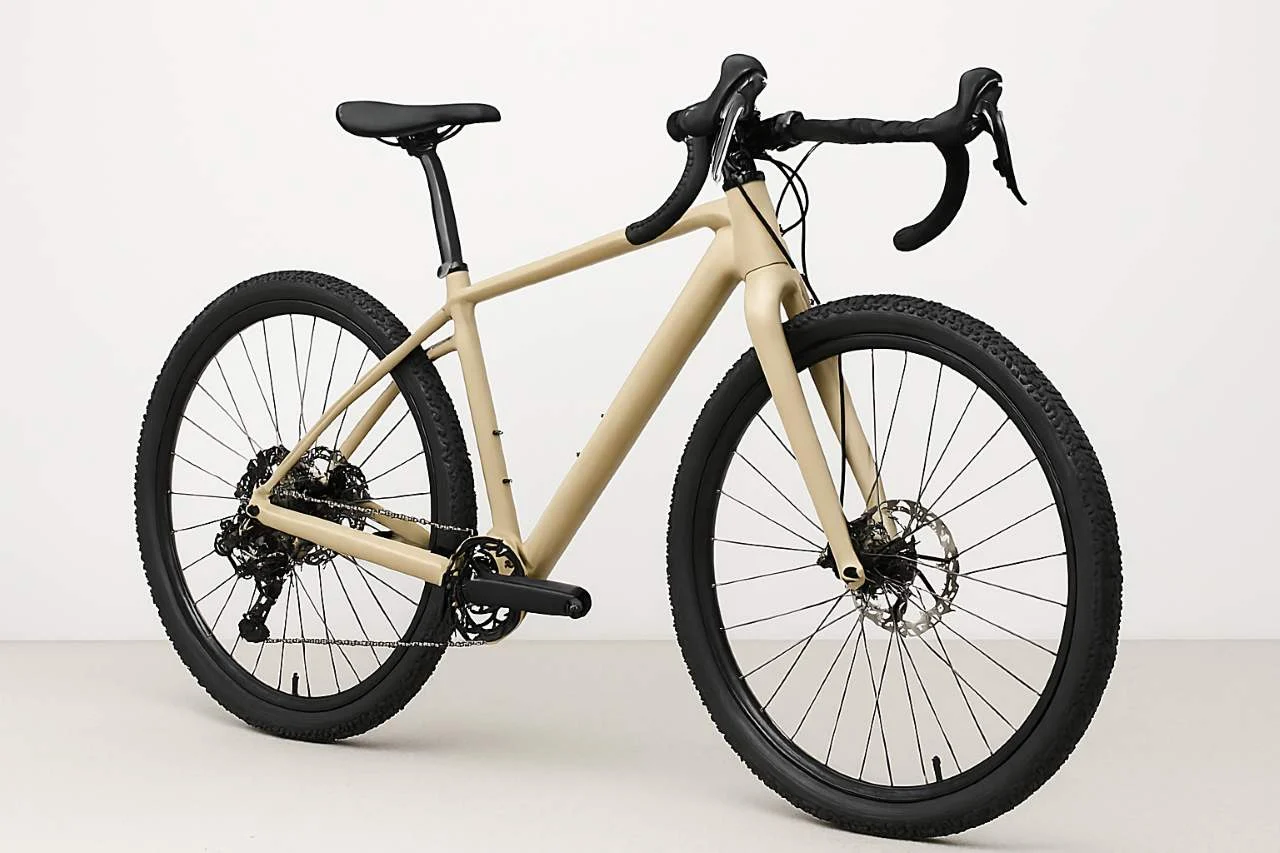
The absolute hit of the last few years. A gravel bike looks like a road bike, but has a more relaxed geometry and much wider knobby tires. It lets you cover the asphalt section quickly, then turn onto gravel without any problem.
⚡ The Revolution: Electric Bikes (E-Bikes)
If you are thinking about entering the world of e-bikes, you are not alone. Electric bikes are not mopeds; they have an electric motor that assists you while you pedal. Today, e-motors are built into absolutely every type of bike – from powerful Enduro E-MTB models to city e-bikes.
Who are they for? Everyone! They are ideal for riders who want to do more climbs without excessive fatigue, people who want to commute without sweating, and older recreational riders. Be sure to read our complete guide: E-bikes for Beginners.
3. Frame Size: The Most Common Buying Mistake
You can buy a 5000-euro bike, but if the frame size doesn't fit you, riding will be painful. Learning how to choose the right bike for your body is crucial if you want to avoid pain in your knees, back and neck. Getting the bike frame size right matters more than any component.
- Rider height and inseam: Every manufacturer has its own chart (S, M, L, XL frames or 17", 19", 21" in inches). The golden rule is to measure your inner leg length (inseam).
- Reach: The frame should let you reach the handlebars without overstretching your arms, and without your elbows hitting your knees.
4. Key Components and Budget
The quality of the components dictates the price of the bike. Here is what to look at:
- Brakes: Avoid old V-brake systems. Today, hydraulic disc brakes are the absolute standard for safety off-road.
- Drivetrain and shifters: Quality shifters from brands such as Shimano or SRAM guarantee precision and durability. More gears don't necessarily mean a better bike; modern MTBs have just one chainring at the front (1x12 systems).
- Budget: Basic recreational models (€300-700), a reliable mid-range for active riders (€700-2000), and professional carbon/e-bike models (over €2000). Always keep part of your budget for a helmet, a pump and a spare tube!
Frequently Asked Questions (FAQ)
What is the best bike for beginners?
For absolute beginners, the best choice is a mid-range "hardtail" mountain bike (with suspension only at the front), or a hybrid/trekking bike. They offer excellent versatility, comfort and safety on most surfaces, without a very high starting price.
Is an electric bike (E-Bike) worth buying?
Absolutely, if your budget allows it. An electric bike lets you cover much longer distances, tackle tough climbs and is simply pure fun. However, it requires more frequent maintenance and costs more upfront.
Which wheel size should you pick for an MTB?
Today 29-inch wheels dominate, because they roll over obstacles (rocks and roots) more easily and hold speed better. 27.5-inch wheels are more often used in more extreme disciplines where greater maneuverability in the air is needed, or for shorter riders.
What is the difference between hydraulic and mechanical disc brakes?
Mechanical brakes use a steel cable, while hydraulic brakes use mineral oil or DOT fluid under pressure. Hydraulic brakes are far more powerful, more reliable and need less finger force on the lever.
Do I need full suspension for city riding?
No. Full suspension (shocks front and rear) is designed strictly to soften heavy impacts on mountain trails. In the city, such a bike will only waste your energy while pedaling ("bobbing") and add unnecessary weight.
Don't guess your size!
Now that you know the basic rules, make the final decision easier. Use our free online tool to find the perfect frame size and bike type for your height and riding style.
Launch the Bike Selection CalculatorBefore You Buy: Seven Questions to Ask
Before you pay, go through this short checklist. It helps make sure your new bike doesn't end up in the garage after a month.
- Where will you ride most? Asphalt, gravel, trails or city, because that determines the type of bike.
- What is your budget? Include equipment too: helmet, lights, lock, pump and tools.
- What is the frame size? Test-ride the bike and check the reach and saddle height; a frame size guide will help.
- What brakes does it have? Hydraulic disc brakes are more reliable in wet conditions.
- Are service and spare parts available? A bike from a well-known brand is easier to maintain.
- Do you need a motor? An e-bike pays off if you ride steep climbs or long routes.
- New or used? A used bike can be an excellent choice, but a mechanic must inspect it before you buy.
How to Keep Your Bike the Right One After You Buy It
A well-chosen bike also needs maintenance: check the brakes, chain and tire pressure. Set your pressure with the help of the guide on bicycle tire pressure, and check your size through bicycle frame size. If you are choosing for a child, read how to choose a kids' bike. For a pre-purchase inspection, get in touch with our bike service.
Sources and Further Reading
- Bicycle frame (Wikipedia) – frame construction and geometry
- Electric bicycle (Wikipedia) – types of e-bikes