Road cycling is one of the most popular forms of cycling, known for its speed, long rides and strong competitive spirit. Whether you ride recreationally to escape the daily routine, train seriously, or are just preparing for your first race, it pays to know the basics, pick the right bike and master safe riding techniques. In this detailed guide you'll find everything you need to level up your riding and turn kilometres into pure enjoyment.
In short:
- Choosing a bike: Aero, Endurance, Climbing or Gravel – each one has its own purpose on the road.
- Essential gear: From a helmet and an aerodynamic jersey to clipless pedals (SPD-SL/Look).
- Riding technique: Correct body position, cadence and riding in a group (peloton) save a huge amount of energy.
- Best routes in Bosnia and Herzegovina: Recommendations for Trebević, Romanija, the Sarajevo–Mostar route and the epic Sutjeska.

What Is Road Cycling, Really?
Road cycling is a discipline that usually takes place on smooth, paved roads and focuses on three things: speed, rider endurance and aerodynamics. It can be split into several categories:
- Recreational riding – Relaxed longer rides focused on health and cardio fitness, often in groups at the weekend.
- Road racing – A serious competitive sport with different race formats (criteriums, tough stage races, individual time trials).
- Gravel cycling – If asphalt gets too monotonous, gravel cycling offers the perfect hybrid! It combines the speed of a road bike with the toughness of mountain biking, on machines built for dirt roads, forest tracks and rough asphalt.
Choosing a Road Bike: Which One Do You Need?
A proper road bike is extremely light, stiff and designed to slice through the air. There are different types depending on your flexibility and riding style, so a road bike for beginners is usually an endurance or entry-level aluminium model:
- Aero bikes – Built for maximum speed and brutal aerodynamics. Ideal for flat terrain and very fit riders, but often less comfortable.
- Endurance bikes – Designed for long rides. Thanks to a different frame geometry they offer a more relaxed, upright position and greater stability, which makes them perfect for all-day rides.
- Climbing bikes – Ultra-light and agile, made for quick changes of rhythm on steep climbs and aggressive attacks.
- Gravel bikes – The hybrid mentioned above, with wider tires, powerful disc brakes and stability on imperfect terrain.
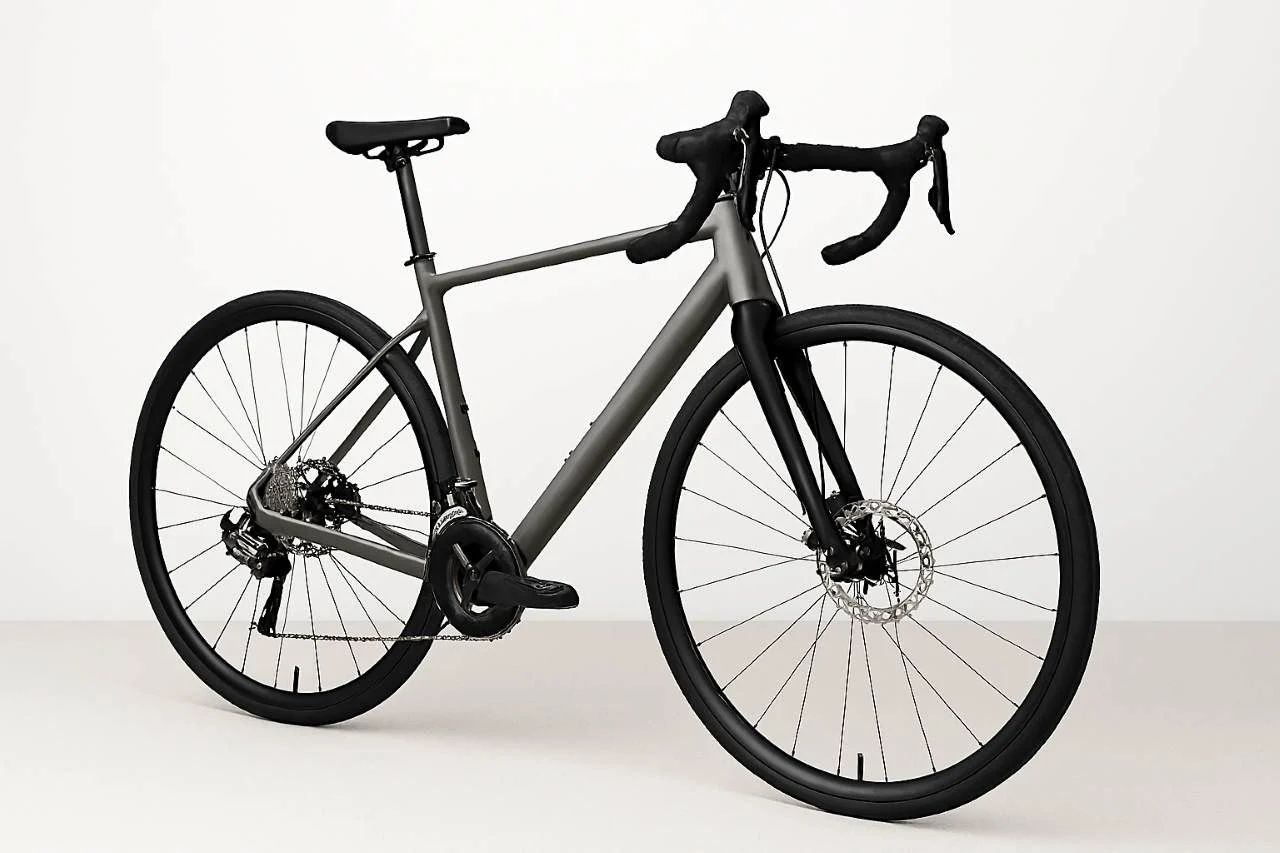
The standard wheel size on road bikes is 700c. Tire trends have changed: riders once ran extremely narrow tires (23 mm) for speed, but today most pros and recreational riders choose 28 mm and even up to 32 mm, because they offer dramatically lower rolling resistance on rough asphalt and much better comfort.
Road Cycling Gear: What You Really Need
The right gear isn't just about looks – it directly improves safety and performance on rides lasting several hours:
- Helmet: Mandatory protection. A light, well-ventilated helmet is recommended, ideally with an aerodynamic design.
- Cycling glasses: They protect your eyes not only from strong sun and UV, but also from dust, wind and insects at speeds of 40+ km/h.
- Jersey and bib shorts: A snug fit drastically reduces air resistance (your biggest enemy), while the chamois pad in the shorts prevents chafing on a hard saddle.
- Shoes and pedals: "Clipless" systems such as Shimano SPD-SL or Look Keo let you lock onto the pedal, so you transfer power on both the push and the pull. Not sure which system suits you? Read our guide to flat, SPD and thread standards for bike pedals.
- Hydration and food: Always carry at least two bottles with water or an isotonic drink. On longer rides, energy gels and bars in your jersey pockets save you from a sudden sugar crash (the so-called "bonk").
- Basic tools: A small pump, a spare inner tube (or tubeless plugs), tire levers and a multi-tool are a must. A flat 50 km from home happens. You'll find an overview of useful devices in our article on cycling gadgets.
Riding Techniques: More Than Just Pedalling
Good technique is what separates beginners from experienced riders. Here's what you need to master:
- Correct position: A flat back, slightly bent elbows (so your body absorbs shocks, not your neck), relaxed shoulders and a firm but not tense grip on the handlebars.
- Efficient pedalling (cadence): Try to keep a quick, steady rhythm (80–100 revolutions per minute) instead of grinding a heavy gear (mashing). It protects your knees and muscles. To see which cadence gives which speed, use the cadence and speed calculator.
- Riding in a group (peloton): Following the wheel of the rider in front (drafting) can save you up to 30–40% of your energy, because they cut through the air instead of you. It requires trust and predictable braking. These group riding tips apply on every club ride.
- Descending and braking: Brake before the corner, while you're still going straight. In the corner itself, release the brakes, shift your weight onto the outside foot (the inside pedal must be up) and lean the bike.
In road cycling, air resistance is your biggest opponent, but the mountain is your greatest teacher. Every climb you conquer on the road, you first had to conquer in your head.
— Marko Ristivojević
Best Road Cycling Routes in Bosnia and Herzegovina
With its mountain passes and river valleys, Bosnia and Herzegovina offers fantastic and challenging road cycling routes:
- East Sarajevo – Trebević: A very popular local route with demanding switchbacks, steep gradients and beautiful panoramic views. An ideal fitness test.
- Jahorina and Romanija: Terrain for endurance riders who love epic, long climbs and clean mountain air. Excellent road surface and less traffic away from the main highways.
- Sarajevo – Mostar: One of the most beautiful but also most demanding routes in the region, taking you through the Neretva canyon. Riding in the early morning is recommended because of traffic.
- Foča – Sutjeska (Tjentište): A breathtaking mountain route. Riding through the oldest national park in Bosnia and Herzegovina offers stunning scenery and rough but rewarding terrain.
Road Cycling for Beginners: Tips to Get Started
Don't rush into 100-kilometre rides. Start with shorter distances (20–30 km) and increase your mileage gradually. Focus on getting to know your bike, changing gears before a climb gets too steep, and maintaining the machine regularly. Track your progress with devices and apps such as Garmin and Strava – it gives you a huge motivational tailwind.
Clean your drivetrain (chain and cassette) regularly, check your tire pressure before every ride (road tires lose pressure faster than MTB tires – our bike tire pressure guide helps) and always test your brakes. Most important of all – enjoy it! It's not just a sport, but a fantastic way to explore new destinations, feel the speed and test your own limits.
Before riding on main roads, read the guide to cycling in traffic, and for a seasonal check-up visit the Evolution bike service – you can book your slot online. The rules and calendar of professional road races are published by the UCI.
Frequently Asked Questions
What is the difference between an aero and an endurance road bike?
Aero bikes are more aggressive and stiffer, built to slice through the air on flat sections. Endurance bikes have a more relaxed, taller geometry and absorb vibration better, so they are better for long rides and recreational riders.
What tire width should I choose for a road bike?
Today most riders choose 28 mm, and even 30–32 mm. Wider tires are run at lower pressure, are more comfortable on poor asphalt and have lower rolling resistance on such surfaces than over-inflated narrow tires.
Why does cadence matter in road cycling?
A high cadence, around 80–100 revolutions per minute, shifts the load from your muscles to your cardiovascular system. A low cadence in a heavy gear tires your legs quickly and strains your knees.