Cycling gadgets, from bike computers and sensors to power meters and radars, are now an essential tool. Modern cycling is no longer just a test of raw strength: smart gear changes the way we train, ride and stay safe on trails and tarmac. In this guide from the Evolution workshop, we go through the devices that are genuinely worth the investment.
In short:
- Bike computers (Garmin, Wahoo, Bryton) are the digital brain of your bike for navigation and data collection.
- Power meters and cadence sensors remove the guesswork and allow precise, structured training based on real output (watts).
- The Garmin Varia radar is a must for safety, because it actively warns you about vehicles approaching from behind.
- Everything works best when synced into one tech ecosystem (Strava, Komoot, smartwatches).
Cycling Gadgets: What Is Actually Worth Buying
Whether you ride technical trails in our Bike Park Evolution or put together long road routes, the right technology can make your ride more efficient and safer. Below we take a detailed look at the devices that are really worth investing in. If you want to plan routes before you ride, you can also download trail files from Evolution Maps.
Bike Computers: Your Digital Riding Partner
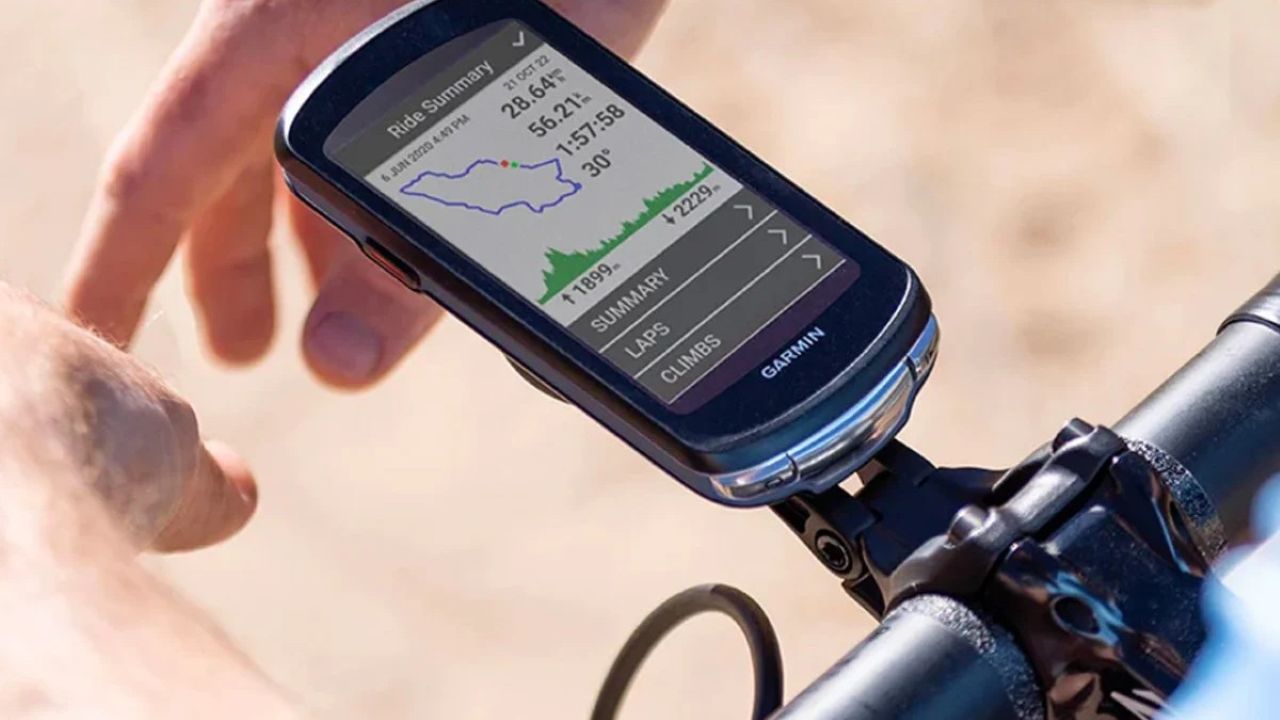
A bike computer is the central device mounted on your handlebar. It tracks key metrics: speed, distance, elevation (via a barometric altimeter) and GPS navigation. Forget about draining your phone battery – dedicated devices are resistant to bad weather and crashes.
- Market leaders: Garmin (Edge series) and Wahoo (Elemnt Bolt / Roam) dominate the premium segment, while Bryton and Sigma offer fantastic options for recreational riders.
- Advanced features: Route mapping, structured heart rate zone workouts, and seamless integration with apps such as Strava, Komoot or TrainingPeaks.
If you are looking for a more affordable alternative to Garmin, check out our test of the iGPSPORT iGS630S bike computer.
Speed and Cadence Sensors: Gadgets for Efficiency
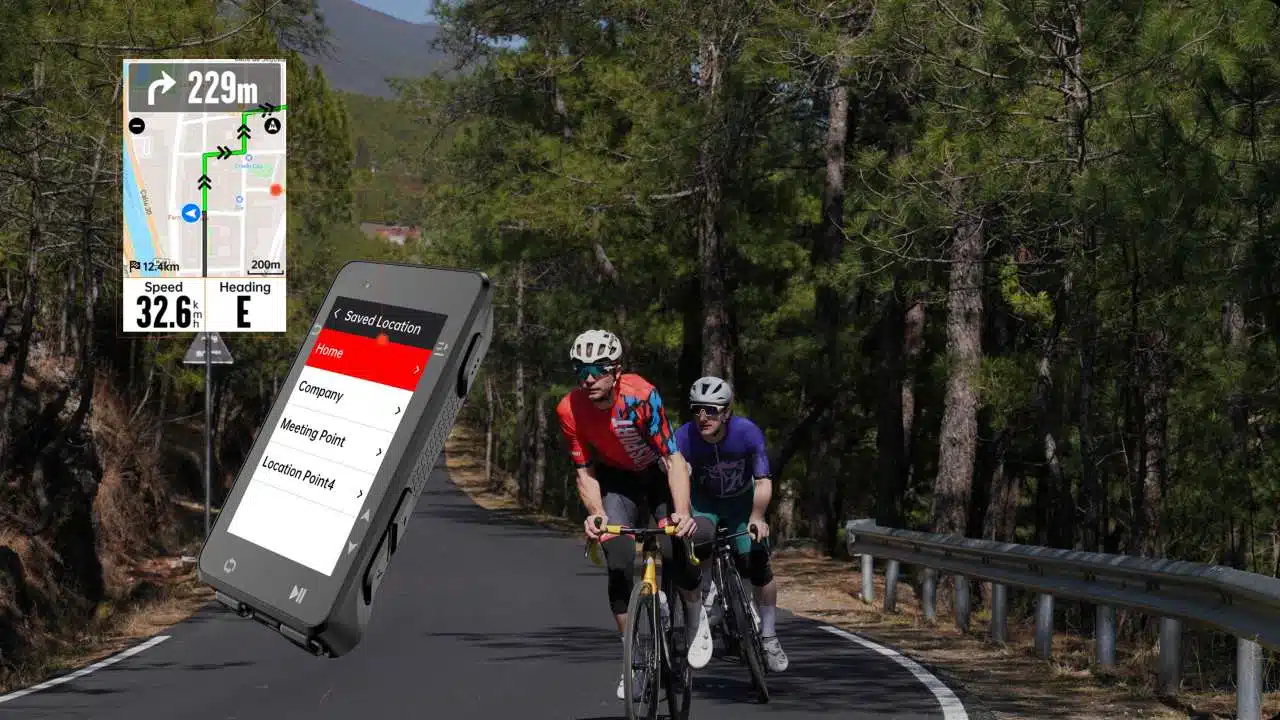
To optimize your energy use, it is important to track cadence (the number of pedal revolutions per minute – RPM). An optimal cadence (usually between 85 and 95 RPM) protects your knees and delays muscle fatigue. You can work out the relationship between cadence, gearing and speed in our cadence and speed calculator. A cadence sensor connects securely to your bike computer via ANT+ or Bluetooth. If you are not sure how to pair the sensors properly, our team is always available to help in the main workshop, and you can reach us through the contact page.
Raw power in your legs is the foundation, but the data on your screen tells you how to use that power in the best way. A good bike computer and a power meter turn guesswork into clear, measurable progress on the trail.
— Marko Ristivojević, Master Bike Mechanic & Bosch Expert
Power Meters: The Most Important Cycling Gadgets for Training
A power meter measures the power, in watts (W), that you generate while pedaling. Unlike heart rate, which can vary due to fatigue, temperature or caffeine intake, watts are the absolute truth.
There are different measuring systems (in the pedals, on the cranks, or in the drivetrain itself, like Shimano and Quarq systems). If you are moving to a more serious level of training, this is the most important upgrade for your bike. We explained which data it tracks and how to interpret it in the article training with a power meter: 7 key metrics. To set your training zones, start with our FTP test and heart rate zones guide. Because this equipment is sensitive, we recommend having a professional install and calibrate the power meter through our service booking.
Garmin Varia Radar and Smart Lighting
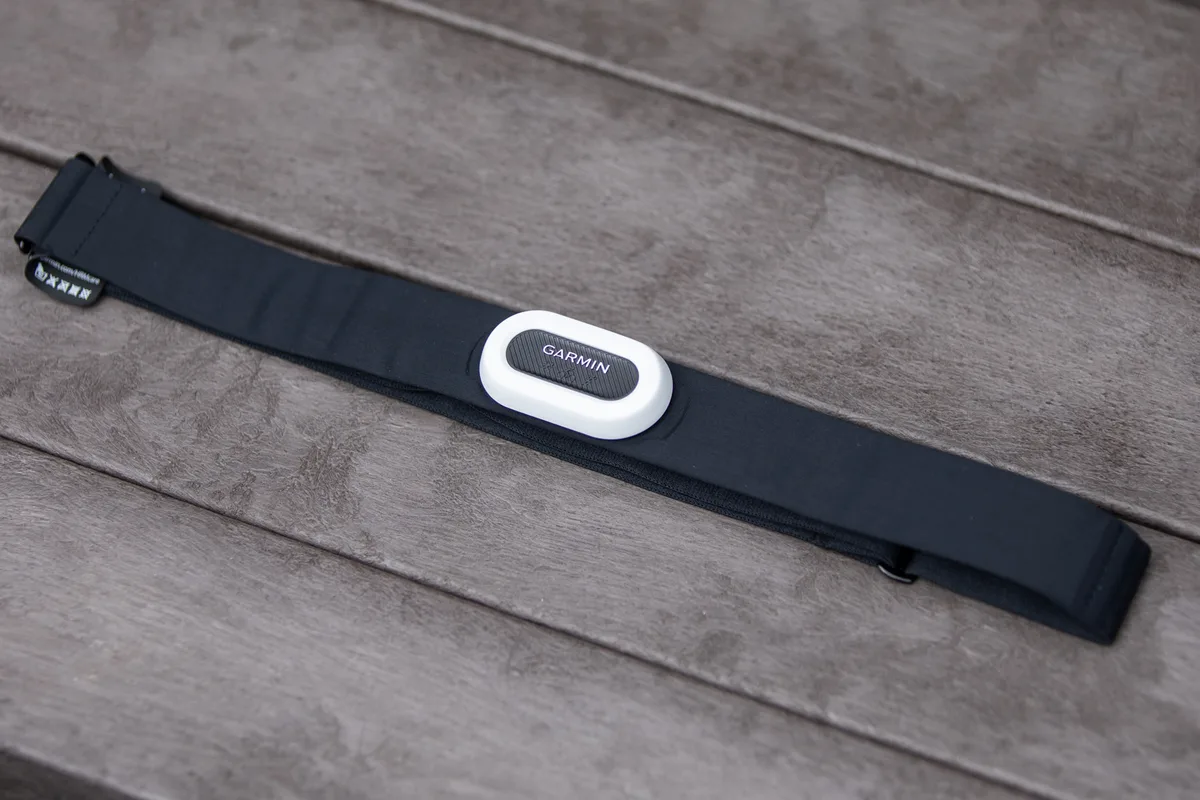
Of all the cycling gadgets on the market, the Garmin Varia is the only one that can literally save your life. This radar system detects vehicles approaching from behind at a distance of 140 meters and sends visual and audio alerts straight to your bike computer. Model specifications are available on the Garmin website. Combined with smart lights that automatically adjust the flash intensity to the speed of the car, your visibility and safety are maximized. For more on staying safe on the road, read our guide to cycling in traffic.
Connecting Your Gear: The Power of an Ecosystem
Smartwatches (Garmin, Suunto, Polar) are a perfect complement to bike computers, tracking your recovery, sleep, heart rate and VO2 max. The real potential of smart gear lies in connecting it all together. Your data usually ends up on Strava, and you can read what happened when Strava and Garmin clashed over patents in the article Strava vs Garmin.
Frequently Asked Questions
What are the most important cycling gadgets for serious riders?
The basics are a bike computer with GPS navigation and cadence and speed sensors. A power meter is key for advanced training, and for riding on roads, a radar like the Garmin Varia.
Do I really need a power meter?
It is not essential for purely recreational riding. If you want to track progress, ride intervals and manage your effort without overtraining, a power meter is the most useful tool you can buy.
How does the Garmin Varia radar work?
The radar mounts on the seat post and detects vehicles approaching from behind. On your bike computer it shows their distance and speed, and warns you with a sound and a change in screen color.
What is the optimal cadence and how do sensors connect?
An optimal cadence is usually between 85 and 95 RPM, which protects your knees and delays muscle fatigue. Sensors connect to your bike computer via ANT+ or Bluetooth.