Tech tips · Diagnostics
Common bike problems:
diagnosis and quick fixes
Chain skipping, gears that won't shift, squealing or spongy brakes, a wheel with a wobble: these are the most common bike problems. Here's how to find the cause and what you can do yourself.
Written by Marko Ristivojević, Master Bike Mechanic

In short
Chain skipping is almost always a worn chain and cassette, a spongy brake lever needs bleeding, disc brake squeal is usually a contaminated rotor, and a wobble in the wheel calls for truing.
Drivetrain
Chain and cassette
Brakes
Cleaning and bleeding
Wheels
Wobble and pressure
Difficulty
From easy to workshop job
Author: Marko Ristivojević, Master Bike Mechanic · BK MTB Evolution, Istočno Sarajevo
How to spot a fault early
Every bike breaks down sometimes. Recognizing symptoms quickly and reacting the right way to common bike problems can save you a long walk home and expensive repairs.
Most minor faults can be fixed with a basic set of tools. For anything more complex or safety-related, it's better to have a workshop inspect the bike.
Common bike problems: drivetrain and chain
Chain skips under load. This is a sign of a stretched chain (over 0.75%) that no longer meshes with the cassette teeth. Check it with a chain wear gauge. Most likely you'll need to replace both the chain and the cassette.
Gears don't shift precisely. The cause is usually cable tension or dirty housings. Turn the barrel adjuster on the shifter a quarter turn counterclockwise, and if that doesn't help, see the gear adjustment guide.
Chain jammed or broken. Don't panic. Always carry a quick link and a small tool with a chain breaker, and follow the steps in the guide on what to do when your bike chain breaks.
Brake problems
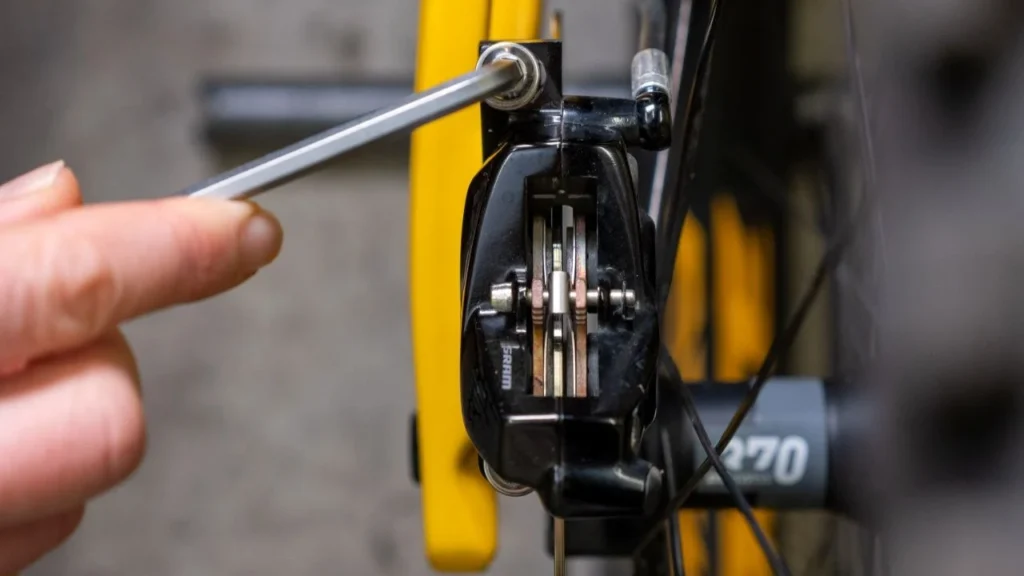
Brake squeals. In about 90% of cases the rotor is contaminated with oil or grease. Clean it with isopropyl alcohol and don't touch it with your fingers. Read more in the guide to disc brake squeal.
Spongy brake lever. There's air in the hydraulic system, often caused by overheating or old fluid. You need to bleed the brakes.
Worn brake pads. Replace pads thinner than 1 mm, because the metal backing plate damages the rotor and reduces braking power.
Weak braking. Check that the pads and rotor aren't contaminated and that the rotor isn't bent. If the cause isn't clear, have a workshop inspect the brakes.
Wheel and tire problems
Wheel is out of true. The wheel moves sideways and rubs on the brake pads or the frame. The cause is loose or overtightened spokes, and the fix is wheel truing.
Loose spokes. Rattling or pinging while riding is a sign the spokes need checking before the wheel goes further out of true.
Wrong tire pressure. Too little pressure causes pinch flats, while too much reduces traction. The correct values are printed on the tire sidewall.
Flat tire. Carry a spare inner tube, a pump and tire levers, because this is the most common trailside failure.
Quick trailside check
Tools for the ride. A quick link, multitool, spare inner tube and pump solve most problems.
Pressure and bolts. Before you set off, check your tire pressure and make sure the levers and wheels are properly tightened.
Listen to your bike. Unusual noises from the drivetrain, brakes or wheels usually warn you before a serious failure.
When to see a mechanic
Brakes. Loss of power, a spongy lever or unusual noises that cleaning doesn't fix.
Drivetrain and wheels. Chain skipping and unreliable shifting after adjustment, or a wobble you can't correct yourself.
Unsure diagnosis. If you don't know what's wrong, it's better to have a workshop inspect the bike than risk a failure while riding.
Warning: never ride with poorly adjusted brakes. If you're unsure about the diagnosis, stop riding and get professional help. You'll find more repair instructions in the Park Tool repair help library. Safety always comes first.
FAQ
Why does the chain skip only under load?
The chain is most likely stretched beyond 0.75% and no longer seats on the cassette teeth. A new chain on an old cassette will skip too, so they are replaced together.
Why do my brakes squeal?
Most often the rotor is contaminated with oil, lubricant or dirt. Clean it with disc brake cleaner or isopropyl alcohol.
Why is the brake lever spongy?
Air has entered the hydraulic system, most often due to overheating or old fluid. The fix is bleeding the brakes.
What is a wobble in a wheel?
It's the sideways movement of the wheel caused by loose or overtightened spokes. It's corrected by truing the wheel on a truing stand.