Tech tips · Brakes
Which bike brake pads to buy:
calculator and selection guide
With hundreds of models on the market, it's easy to buy the wrong pads, so choosing the right bike brake pads matters more than it seems. Pick your brake in the free brake pad finder, then read how to choose compounds and cooling fins, and when to replace your pads.
By Marko Ristivojević, Master Bike Mechanic
In short
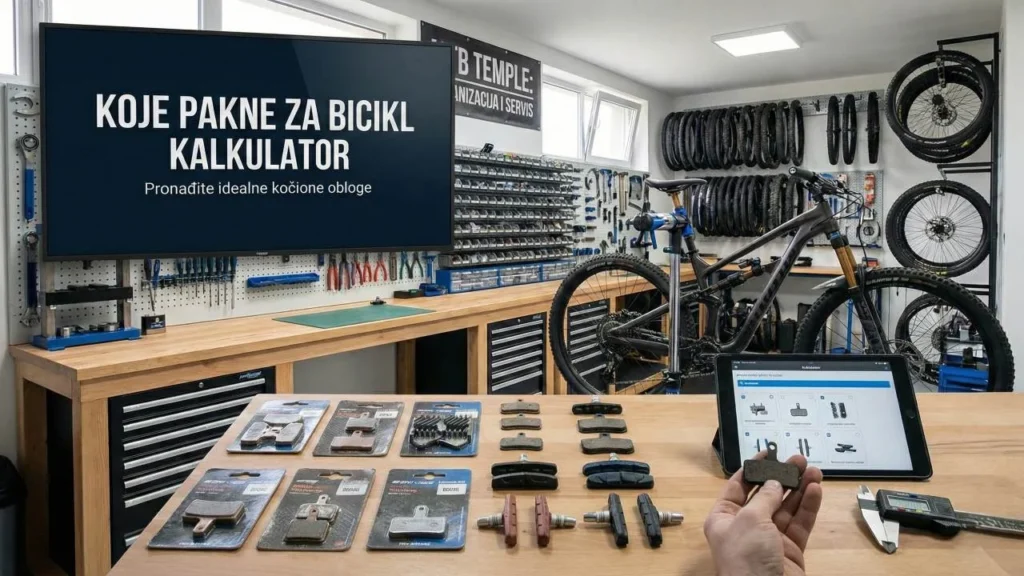
Select your brake brand and model in the calculator and you instantly see which bike brake pads are compatible. Below we explain compounds, cooling fins and the rule for when to replace them.
Tool
Brake pad calculator
Brands
7 brands
Compounds
Organic and metallic
Replacement
Below 1.5 mm
Author: Marko Ristivojević, Master Bike Mechanic · BK MTB Evolution, Istočno Sarajevo
Why choosing pads is a big deal
Wondering which bike brake pads fit your brakes? You're not alone. Choosing the wrong pads is a common mistake that leads to poor braking or damaged rotors.
The brake pad finder above covers Shimano, SRAM, Magura, Tektro, Formula, Hayes and Campagnolo brakes. Below is everything you need to know about compounds, cooling fins and pad replacement.
How to choose the right bike brake pads
Shape is crucial. Pads are not universal. The Shimano MT200 uses wide B-type pads, while the XT M8100 uses the narrower G or J type, so the wrong choice often won't even fit. Always check disc brake pads compatibility before you buy.
Riding style. A recreational rider on easy terrain has different needs from someone riding long, steep descents, so choose the compound to match how you ride.
Terrain and weather. In rain and mud, metallic pads grip better, while in dry conditions organic pads offer quieter operation and better modulation.
Organic, metallic or semi-metallic pads
Organic (Resin). The standard on most new bikes, made from a blend of fibers bound with resin. They are quieter and have excellent modulation, but wear out faster.
Metallic (Sintered). Metal particles fused under high pressure and temperature. They last much longer, tolerate high temperatures and work great in rain and mud.
Semi-metallic. A third compound offered by Shimano, SRAM and other manufacturers, sitting between organic and metallic in character.
Check your rotor. If the rotor is marked “Resin Pads Only”, you must not use metallic pads.
When to choose organic and when metallic pads
Organic for recreation. A good choice for recreational riders, XC riders and anyone who doesn't ride extreme descents, because they bite quickly even when cold.
Downside of organic. On very long descents they can fade (brake fade) due to overheating.
Metallic for demanding conditions. The best choice for muddy conditions, e-bikes and long descents.
Downside of metallic. They are louder, often squeal until they warm up, and wear rotors faster.
Pads with or without cooling fins
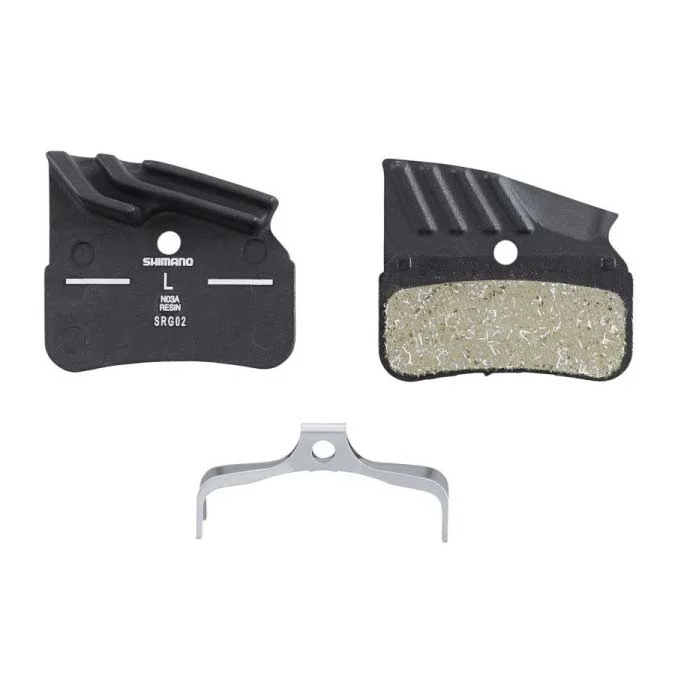
What are cooling fins. Shimano popularized Ice-Tech technology, with cooling fins that stick out above the caliper.
When to get them. On long, steep descents, finned pads can lower the temperature of the braking system by up to 50 degrees, which prevents boiling fluid and loss of braking power. Shimano brake pads with fins are marked with an L, J, N or H code.
When you don't need them. For flat riding or mild terrain, standard pads without cooling fins are more than enough and cheaper.
When to replace pads
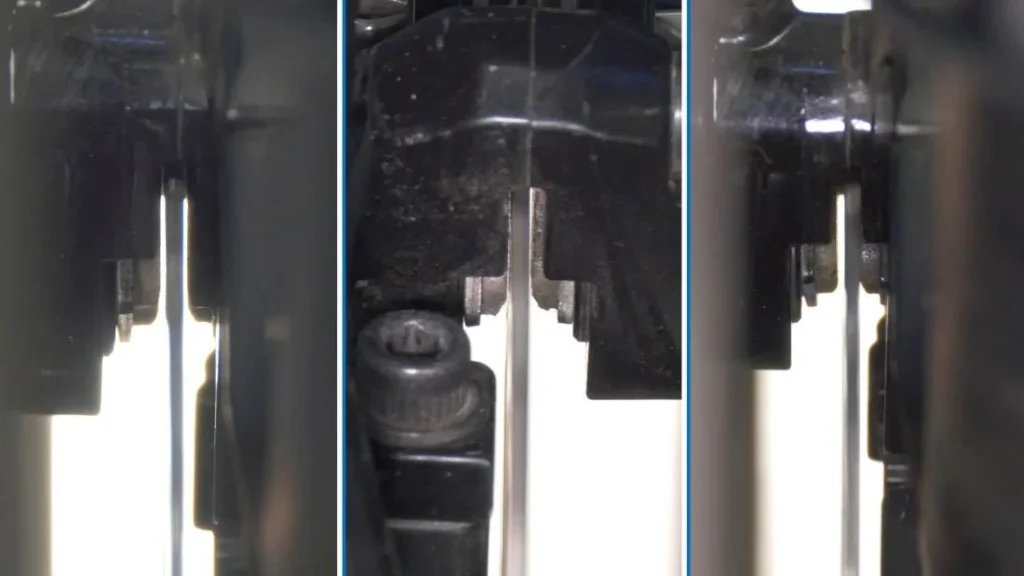
The 1.5 mm limit. Replace your pads when the thickness of the friction material drops below 1.5 mm, not counting the metal backing plate.
Never metal on metal. Riding on worn-out pads permanently ruins your rotors.
Regular checks. Look at the pad thickness before bigger rides, because regular maintenance is the key to safety.
Pro tip: if you're not sure which pads you need or how to install them, come to the Evolution bike service or check the service price list. General brake advice can also be found in the Park Tool repair help database.
Frequently asked questions about brake pads
Are all brake pads universal?
No. Shape is crucial. Shimano, SRAM and Magura have different standards (e.g. Shimano B-type versus G-type), so you must choose bike brake pads that match your exact brake model. Use the calculator above.
What is the difference between organic and metallic pads?
Organic (Resin) pads are quieter and have better modulation, but wear out faster. Metallic (Sintered) pads last longer and brake better in the rain, but they are louder and wear rotors faster.
When should I replace my pads?
When the thickness of the friction material drops below 1.5 mm. Riding on worn-out pads can permanently damage your rotors.
Can I use metallic pads on a rotor marked Resin Pads Only?
No. If the rotor is marked “Resin Pads Only”, use organic pads exclusively.