Tech tips · Suspension
Fox fork service:
lower leg service step by step
A Fox fork service on the lower legs is the cheapest way to keep a Fox or RockShox fork supple and protect your stanchions. With this guide you can finish it in about an hour, with the right oil, grease and a torque wrench.
By Marko Ristivojević, Master Bike Mechanic
In short
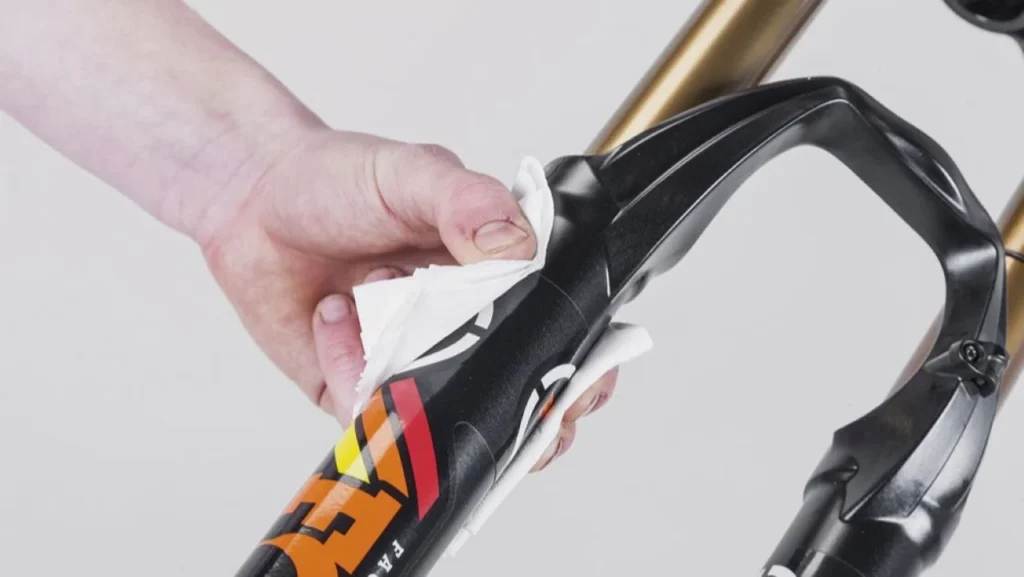
A fork lower leg service means: wash the fork, loosen the stanchions, drain the old oil, clean the lower legs, soak the foam rings, lubricate the wiper seals and add the exact amount of oil from the Fox chart.
Time
About 60 min
Tools
Allen keys, torque wrench
Torque
About 6–7 Nm
Difficulty
Medium
Author: Marko Ristivojević, Master Bike Mechanic · BK MTB Evolution, Istočno Sarajevo
Why a Fox fork service matters
A fork is lubricated by a small amount of oil in the lower legs. That oil lubricates the bushings and soaks the foam rings, but over time it gets dirty and loses its properties.
The result is more friction, a "wooden" feeling fork, and grit that scratches the anodized coating on the stanchions. Fox and RockShox recommend suspension fork maintenance roughly every 50 hours of riding.
Fox fork service: tools and materials
Tools. Allen keys, a rubber mallet, a torque wrench and a syringe with a tube for precise dosing. The rest of the workshop kit is covered in our workshop setup guide.
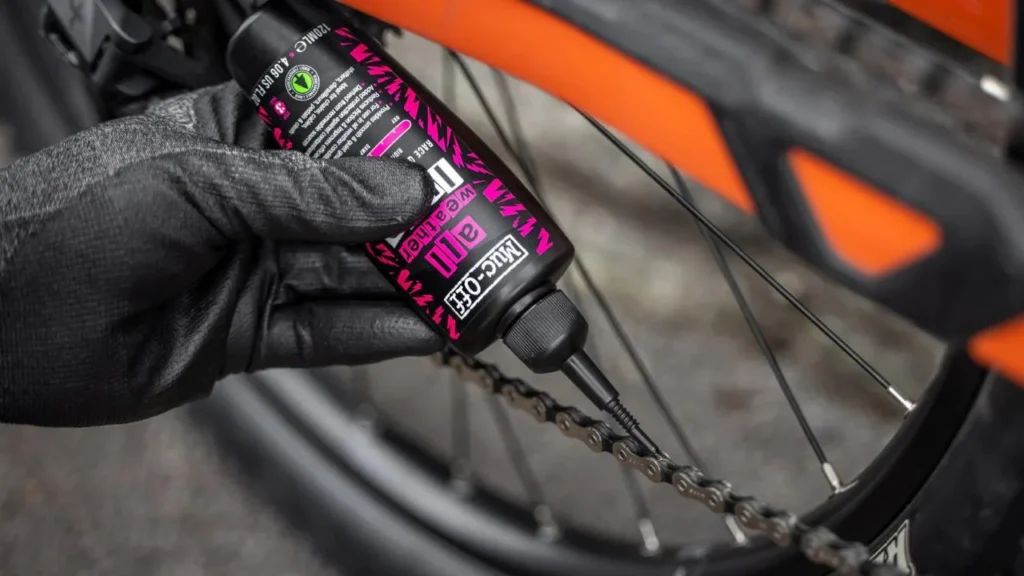
Oil and grease. Suspension oil of the exact viscosity the manufacturer specifies (Fox 20wt, RockShox 0W-30 or 15wt) and SRAM Butter or Slick Honey grease. Ordinary grease is out of the question.
Service kit. New wiper seals, foam rings and crush washers, plus isopropyl alcohol and clean lint-free rags.
Steps 1–2: preparation and loosening the stanchions
Wash the fork. Not a single grain of sand should get inside when you open it, so clean the area around the seals especially well.
Note your settings. Write down the rebound and compression clicks, then set everything to fully open and remove the rebound knob at the bottom of the leg.
Remove the wheel. Take off the front wheel and brake so you don't accidentally get grease on them.
Loosen the bolts. Loosen the bolts at the bottom of both legs by 3–4 turns, don't remove them completely, and tap the heads lightly with a rubber mallet to release the stanchions from the lower legs.
Steps 3–4: draining and cleaning the lower legs
Remove the lower legs. Take the bolts out completely, place a container underneath and pull the legs off. The old oil will drain out immediately.
Check the oil. If it is black or milky (water), your service is already overdue.
Clean the inside. Use isopropyl alcohol and a long rag on a non-scratching rod. Everything must be perfectly clean before reassembly.
Warning. A damaged anodized coating on the stanchions can cost as much as half a new fork, so don't skimp on cleaning.
Steps 5–6: wiper seals, foam rings and oil
Replace the wiper seals. Carefully pry out the old ones with a tire lever, clean the seats, and press in the new ones with a tool that sits on the edge, never directly on the rubber.
Foam rings. Soak the new rings in fresh suspension oil before installing them, and coat the inner lip of the seal with a thin layer of Slick Honey or SRAM Butter grease. This gives a plush feel.
Add the oil. Put the legs back onto the stanchions, but don't push them all the way on. Take the amount from the chart for your model, e.g. 10 ml in one leg and 20 ml in the other, and inject it with a syringe through the holes.
Step 7: closing up and torque
Close the legs. Push them all the way on so the threads come out through the holes, and fit new crush washers. The old ones are flattened and won't seal.
Torque wrench. Tighten to about 6–7 Nm (check the specification). Overtightening cracks the lower legs, because magnesium is a brittle material.
Finish up. Refit the rebound knob and clicks, wipe off excess oil and cycle the fork several times. Then set it up following the FOX GRIP2 setup guide.
Important: Check the exact oil amount in the Fox charts or the RockShox service documentation. Too much oil causes hydraulic lock and shortens travel.
FAQ
How often should I do a Fox fork service?
Fox and RockShox recommend roughly every 50 hours of riding, which for a weekend rider means about twice a year. In mud and dust, shorten the interval.
Which oil goes in the lower legs?
Only the one the manufacturer specifies, e.g. Fox 20wt or RockShox 0W-30. Oil that is too thick performs poorly, and oil that is too thin gives insufficient protection.
Can I use ordinary grease?
No. Ordinary lithium-based greases damage rubber seals and wiper seals. Use SRAM Butter, Slick Honey or Slickoleum.
When should I leave the service to a workshop?
When the oil is milky, the fork leaks, or you need a full service of the damper and air spring. We do suspension service from 60 KM.