Protocol: Efficient Uphill Riding
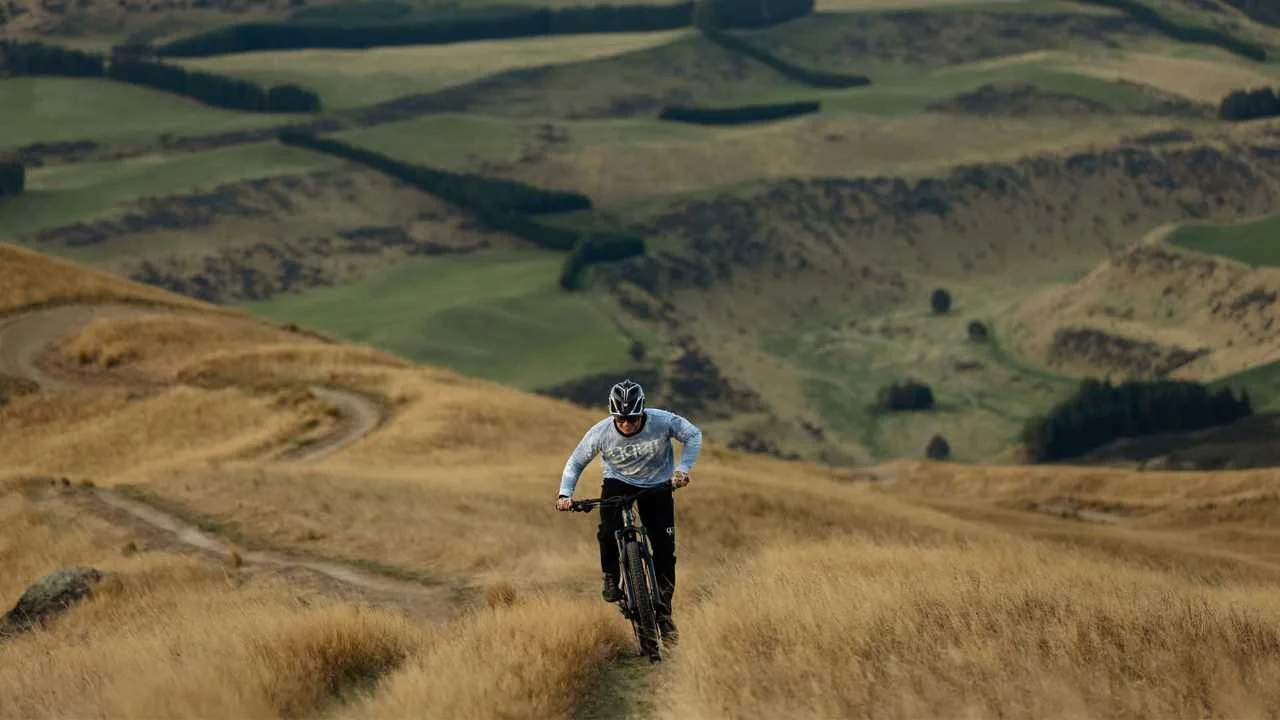
Goal: Minimise metabolic cost and optimise power transfer on long climbs and other terrain with a positive gradient.
Riding long climbs well takes more than raw power. This protocol focuses on biomechanical efficiency and energy management while climbing, so you can hold a steady tempo without dropping into the anaerobic zone too early (lactate accumulation).
Glossary of Key Terms
1. Biomechanics: The Key to Long Climbs
Proper weight distribution directly affects traction (rear wheel) and steering control. Understanding the difference between sitting and standing is the foundation of efficient mountain bike climbing without needless fatigue.
| Parameter | Seated (In-saddle) | Standing (Out-of-saddle) |
|---|---|---|
| Primary use | Long climbs, constant gradient. | Short, steep sections, accelerating, muscle relaxation. |
| Cadence | 75 - 85 RPM | 60 - 70 RPM |
| Efficiency | High (lower heart rate for the same power). | Lower (higher heart rate due to body weight). |
| Body position | Hands on the brake hoods, elbows in. | Rocking the bike left to right, body over the handlebars. |
2. Shifting Protocol
3. Breathing and Heart Rate
4. Mental Strategy: Beating the Hill
Physical preparation matters, but the mental side often decides the outcome. Riding long climbs is a game of patience and self-control.
Don't stare at the top of the mountain; it can be demotivating. Break the climb into smaller segments – "to that bend", "to that tree". Focus on getting up the hill one segment at a time.
When your legs start to burn, your brain wants to quit. Instead of "I can't go on", repeat a mantra such as "strong and light" or "good rhythm". It lowers your perception of effort.
5. Nutrition for Uphill Sections
Gravity makes digestion harder. Focus on liquid sources of energy.
6. Pacing Strategy
The right tempo is essential on long climbs if you want to avoid total exhaustion.
Ride "too slow". 85% FTP. Save energy.
Stabilise. 90-95% FTP. Focus on breathing.
Full gas! Over 100% FTP if you've got the legs.
Pro Tips for Climbing
Don't clench your jaw. Tension in the face signals "stress" to the brain and burns energy. Smile or keep your mouth slightly open.
On long climbs keep your hands on the flat part of the handlebar (tops) close to the stem. This opens up your chest and makes breathing easier.
1 kg less on a 10% climb at 250 W saves about 3-5 seconds per kilometre. Empty unnecessary pockets to make long climbs easier.