Tech Tips · Drivetrain and Chain
Drivetrain Wear
When to Replace Your Chain and Cassette
Drivetrain wear speeds up when you ride a worn chain and cassette, and it spreads to every part of the system. Learn how to measure your chain, spot "shark fin" teeth and replace parts before it gets expensive.
By Marko Ristivojević, Master Bike Mechanic
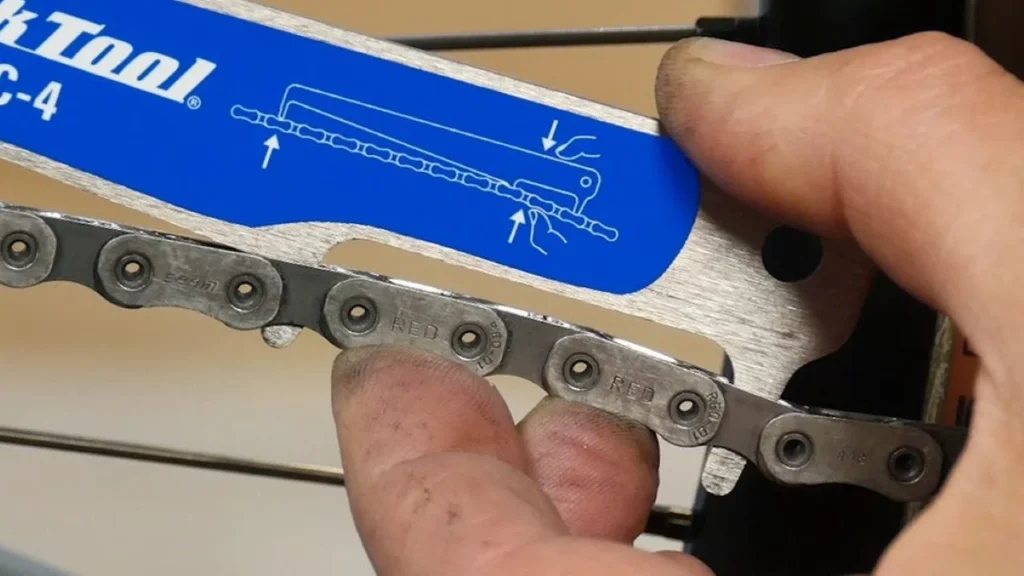
In Brief
When should you replace your chain and cassette? Replace your bike chain when the chain checker reads between 0.5% and 0.75% wear. If you reach 0.75%, the cassette is probably already damaged, and a new chain will skip on it.
Chain replacement
Between 0.5% and 0.75% wear
Chain life
500–1,000 km in mud, 3,000–5,000 km on the road
Cassette
Usually lasts 2–3 chains
Tool
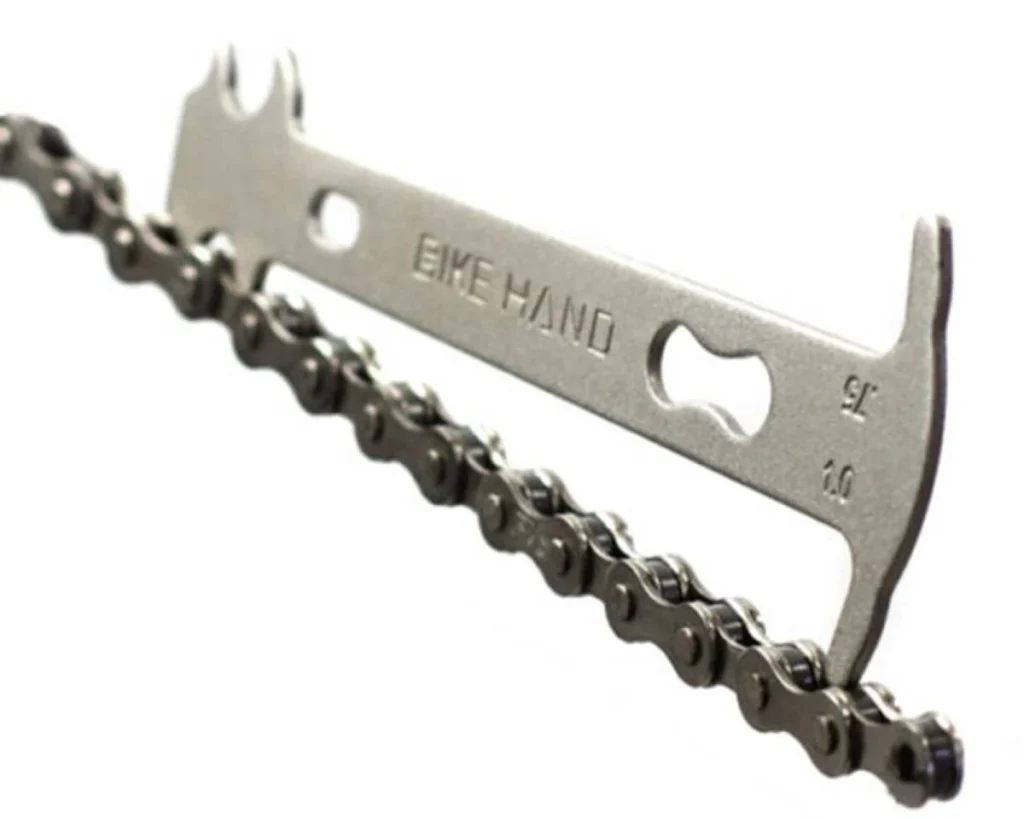
Chain wear gauge (chain checker)
Author: Marko Ristivojević, Master Bike Mechanic · BK MTB Evolution, Istočno Sarajevo
Evolution Mini Workshop: Drivetrain Diagnosis
Checking drivetrain wear properly affects your safety, pedaling efficiency and the life of the whole drivetrain. The chain is the cheapest part, but neglecting it does the most damage.
For chain measurement and drivetrain replacement, visit our chain and cassette service in Istočno Sarajevo.
Drivetrain Wear: How Do You Measure Your Chain?
Below 0.5% – the chain is in good shape, ride without worry
Between 0.5% and 0.75% – time to replace the chain, and you still have a chance to save the cassette
Over 0.75% – the chain is critically worn, the cassette is probably damaged, and a new chain will skip
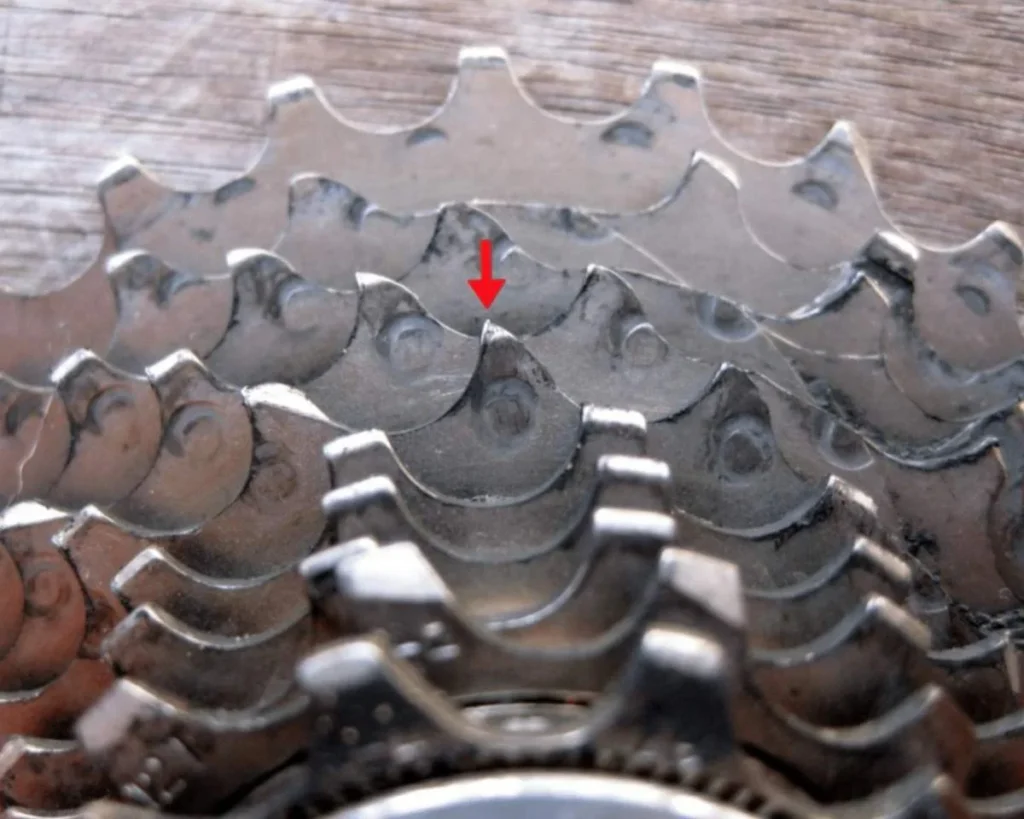
Cassette: Spotting "Shark Fins"
Healthy teeth have a flat, trapezoidal top and symmetrical sides on the gaps between them
Worn teeth (shark fins) have sharp, pointed tips like a shark's fin, and the gap between teeth is widened and oval
Metal burrs – tiny bits of metal pushed out by the chain onto the edges of the teeth
Warning: a new chain on an old, worn cassette will skip under load, which is dangerous when you're standing on the pedals, so replace the cassette too
Chainrings
They wear the slowest – chainrings are the hardest part of the drivetrain, especially steel ones
Chain suck – the chain doesn't release smoothly from the chainring and gets jammed between the ring and the frame
Hooked teeth – the tips bend and look like breaking waves
Check everything together – when replacing the chain, look at the cassette and chainrings too, so you don't buy parts one at a time
When to Replace Your Chain and Cassette
Chain before 0.75% wear – that way you do the least damage to the drivetrain
Cassette usually lasts 2–3 chains, as long as you replace chains on time
Chain life has no universal rule: 500–1,000 km on an MTB in mud, 3,000–5,000 km on the road with good maintenance
What If You Ride a Worn Chain for Too Long?
The chain "eats" the teeth of the cassette and chainrings
A new chain skips on old teeth, so the cassette and chainrings must be replaced too
The cost goes up – instead of one chain, you buy a whole new drivetrain
Pro tip: with no tool, put the chain on the largest chainring and try to pull it off at the "3 o'clock" position. If you can see a whole tooth under the chain, it's time to replace it. Still, a tool is the only precise test, and Park Tool also describes the chain wear measurement procedure in detail.
FAQ: Common Questions About Drivetrain Diagnosis
How many kilometers does a chain last?
There's no universal rule: 500–1,000 km on an MTB in mud, 3,000–5,000 km on a road bike with good maintenance. That's why a measuring tool is essential.
Do I have to replace the cassette every time I replace the chain?
No. If you replace the chain before 0.75% wear, one cassette usually lasts through 2–3 chain changes.
What happens if I ride a worn chain for too long?
The chain eats the teeth on the cassette and chainrings, so a new chain won't mesh properly and will skip, and you'll have to buy a whole new drivetrain.
What tool do I need to check my drivetrain?
The most important is a chain wear gauge (chain checker). For inspecting the cassette, a flashlight and a cleaning rag are enough.
Can I tell if the chain is stretched without a tool?
Hard to say, unless it's extremely worn. Pulling the chain off the chainring is a good quick test, but a tool is the only precise method.