Gravel cycling has evolved over the last few years from a passing trend into a dominant riding style. For riders who want freedom of terrain, untouched nature and comfort on marathon routes, gravel is the perfect hybrid. It combines the speed of road cycling with the off-road capability of an MTB, giving us a machine built for exploring the Balkans.
In short: why choose gravel cycling?
- Hybrid flexibility: It blends speed on asphalt with stability on dirt roads, removing the limits of bad roads.
- Bike specs: Wider tires (35–50mm), a more relaxed geometry and disc brakes make it ideal for long "bikepacking" trips.
- Top routes in BiH: The epic landscapes of Visočica, Bjelašnica and the old Ćiro railway line offer a gravel experience that stands out in Europe.
- Riding philosophy: The focus shifts from pure speed to adventure, safety (no traffic) and exploration.
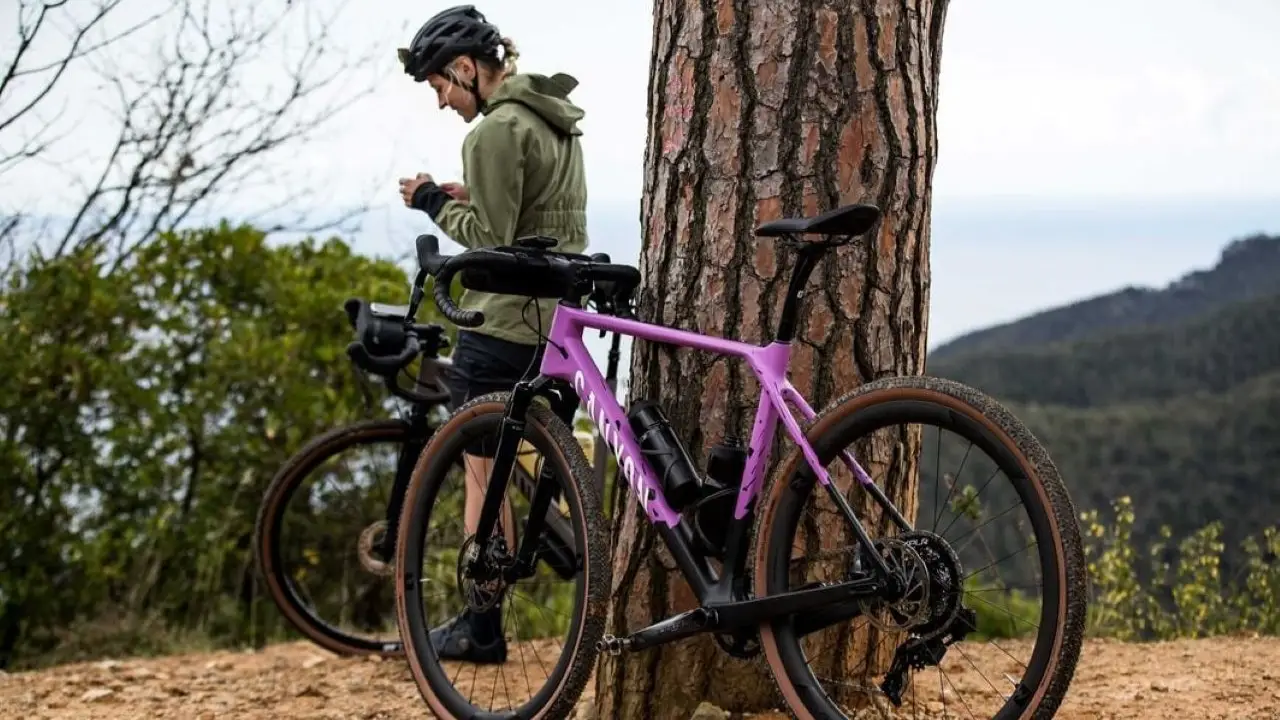
What Is Gravel Cycling and Why Has It Taken Over the World?
At its core, this style of riding means tackling mixed surfaces on a single route: from smooth asphalt, past worn local roads and crushed stone, all the way to dirt forest trails and gentle singletrack sections. It is the ideal solution for riders who want to escape busy main roads but don't necessarily want the technical demands of hard mountain biking, like those our Bike Park offers.
Main advantages of this discipline:
- Freedom and flexibility: You are not tied to one type of road. When the asphalt ends, your adventure is just beginning.
- Safety: By turning onto quiet gravel back roads, you dramatically reduce encounters with motor vehicles.
- Long-distance comfort: The frame geometry is designed for hours of pedaling without excessive strain on your back and neck.
- Bikepacking potential: A gravel bike comes with plenty of mounts for bags, which makes it perfect for multi-day camping trips.
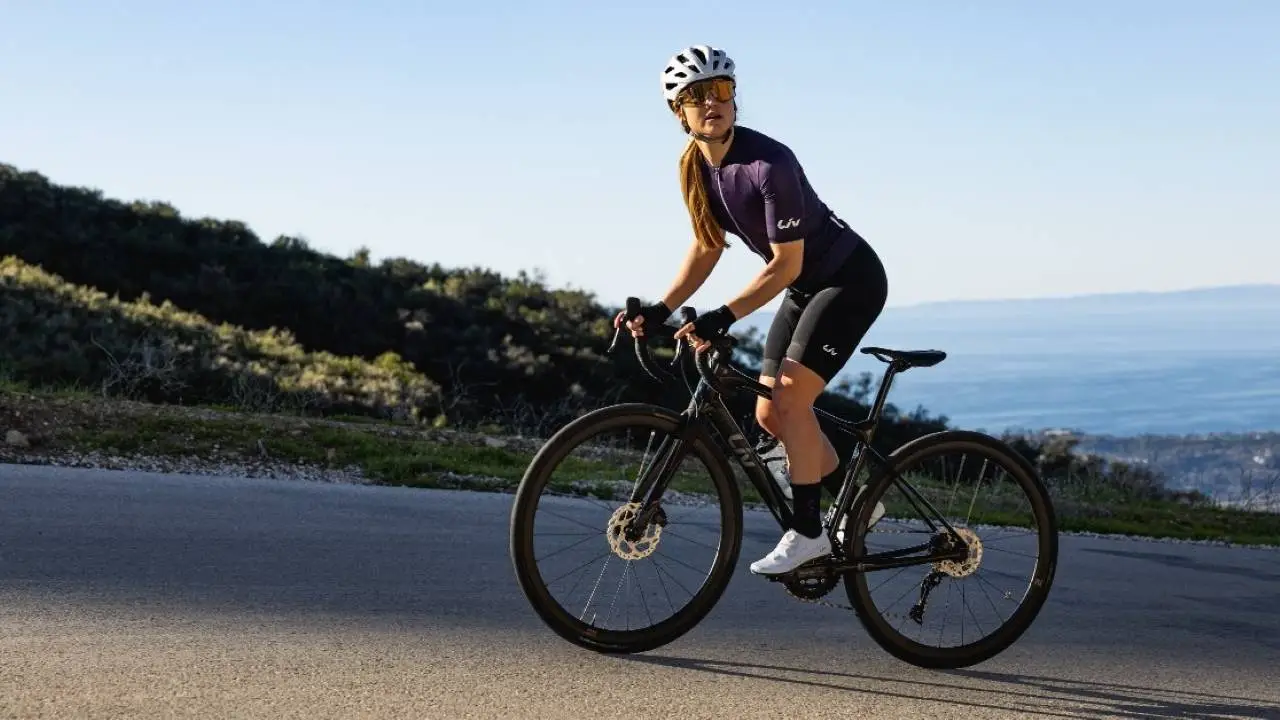
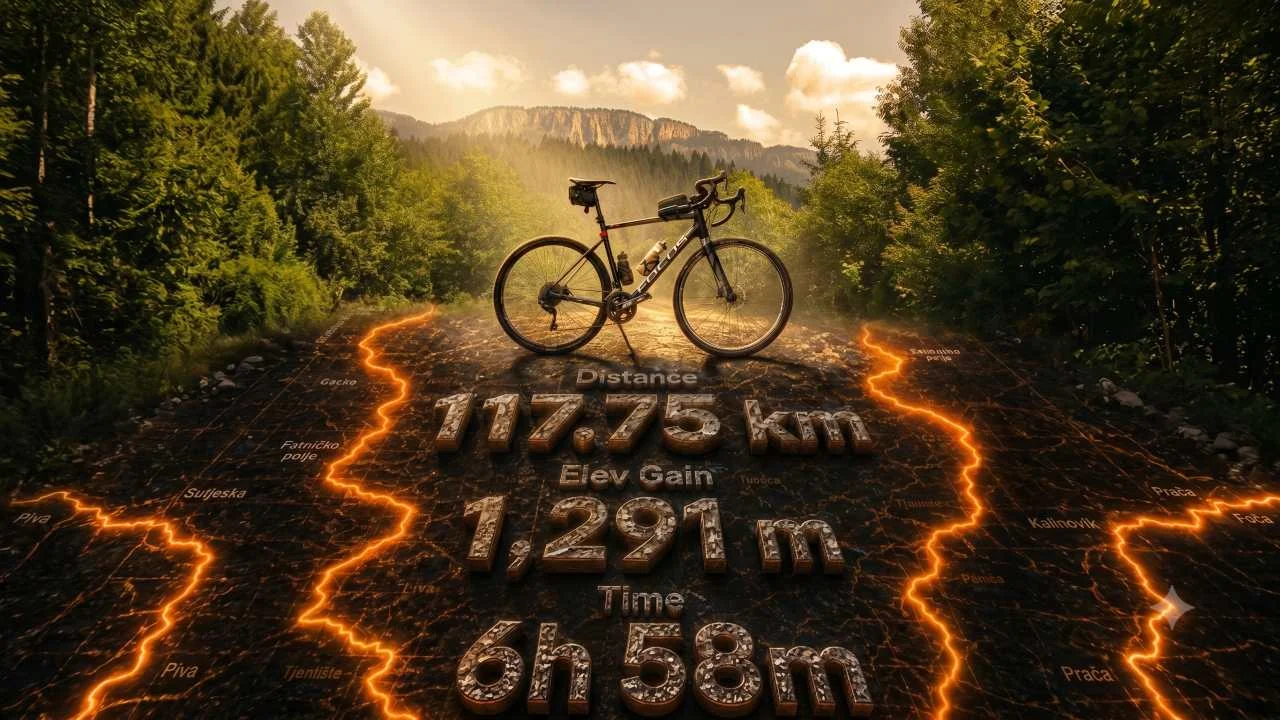
What Does an Ideal Gravel Bike Look Like?
At first glance, a gravel bike looks a lot like a classic road bike because of its drop-bar handlebar. The technical differences, however, are crucial. The frames are sturdier and leave enough room for much wider tires (usually between 35 mm and 50 mm) with a tread designed to grip on gravel. Powerful hydraulic disc brakes are standard, because they guarantee stopping power whatever the mud, dust or rain. In gravel cycling, tires and brakes do most of the work. If you are thinking about converting your old MTB into a gravel build, our Small Workshop (Blog) has plenty of technical advice on parts compatibility.

The Best Gravel Routes in Bosnia: Our Recommendations
With its endless network of Austro-Hungarian dirt roads and forest tracks, Bosnia and Herzegovina is a true European Eldorado for gravel cycling. These are the top routes you have to try:
Visočica - Epic Marathon Route
A mix of dramatic mountain scenery and incredible elevation changes. This route combines sharp Herzegovinian karst with gentle valleys, ideal for experienced riders looking for an endurance test on top-class gravel terrain.
Kalinovik - Borilovačko Lake
Green meadows, the untouched nature of Zelengora and endless kilometers of quality dirt road make this section perfect for a full-day bikepacking trip or a fast gravel ride far from civilization.
Bjelašnica MTB Marathon - Lukomir
A ride to the highest inhabited village in BiH. Although it is called an MTB marathon, a good part of the climb towards Lukomir, along with the crossing over Studeno Polje, is an absolute treat for gravel riders on wider tires.
Ćirina Pruga (Sarajevo MTB Marathon)
The historic route of the former narrow-gauge railway offers minimal gradients and spectacular views through old tunnels and viaducts. It is probably the most popular mixed-surface route, fantastic for gravel beginners and seasoned "kilometer eaters" alike. You can find more details in our guide to the Ćirina pruga MTB and gravel trail.
Preparation and Technical Check (Workshop Tips)
When you leave the asphalt, your bike takes more vibration. Before every longer gravel adventure, be sure to check your tire pressure (tubeless setups are an absolute must here to avoid "snakebite" punctures). Also check the condition of your chainrings and brake pads. If you are unsure about the state of your bike, book a check-up on our service booking page.
For navigation and finding the best sections across the Balkans, we strongly recommend using a global network such as the Trailforks platform or planning with the Komoot app. Our team regularly adds and updates the latest dirt-road sections on these networks!
Gravel cycling is more than a sport, it is a return to nature. Join the MTB Evolution club, follow our guides from the home page and head out on unforgettable adventures. See you on the gravel!
How to Prepare for Your First Gravel Ride
Gravel cycling takes less preparation than mountain biking, but a little more planning than riding on asphalt. Here is the short checklist I use when I prepare bikes before a longer ride.
- Tires and pressure: gravel tires of 35 to 50 mm run at a lower pressure than road tires. Work out the exact value with the tire pressure calculator based on your weight and the surface.
- Drivetrain and brakes: before a long ride, check chain stretch and pad thickness, because dirt roads and dust speed up wear.
- Navigation: load the GPX track and bring a full battery or a backup power source.
- Tools and spares: an inner tube or tubeless kit, a multitool, a pump and two chain links.
- Water and food: there are no shops on longer routes, so plan your supplies in advance.
Gravel bike or MTB: which should you choose?
If you spend most of your time on dirt roads, forest tracks and asphalt, a gravel bike is the faster and more efficient choice. If you ride technical trails with roots and rocks, an MTB is still better. Many riders own both. To get your bike ready, see bike service, and for rides around Sarajevo check out Bike Park Evolution. Dial in your pressure with the guide to bike tire pressure. If you are still deciding on rubber, our guide on how to choose bike tires covers gravel, MTB and road, and if you want to go tubeless, follow the tubeless setup guide.
Sources and further reading
- Gravel cycling (Wikipedia) – an overview of the discipline and equipment
- Bicycle touring (Wikipedia) – planning multi-day tours