Which bike tires should you use? Choosing the right bike tires may look simple, but it is actually one of the most important factors for performance, comfort and safety. Whether you ride a mountain bike (MTB), a road bike, a gravel bike or a city bike, your tires are the only point of contact with the ground, and they directly decide how the bike behaves on different terrain.
In this guide we cover it all: bike type, tire width, tread, material, pressure, price, terrain and other factors.
🚲 1. Bike Type and the Matching Tires
Every type of bike has specific requirements for bike tires:
| Bike type | Recommended tire width | Ideal terrain | Note |
|---|---|---|---|
| MTB | 2.0–2.8 inches | 🌲 Forest trails, rock, mud | Wider tires give more stability and grip, especially for e-MTB and downhill |
| Road | 23–32 mm | 🛣️ Asphalt | Narrower tires for minimal resistance and higher speed |
| Gravel | 35–50 mm | ⛰️ Gravel, dirt roads, asphalt | Mid-width tires with a tread suited to mixed terrain |
| City | 28–45 mm | 🏙️ Asphalt, gravel, urban conditions | Focus on comfort and puncture resistance |
Pairing the right tire with the right bike is the first step toward safe and efficient riding.
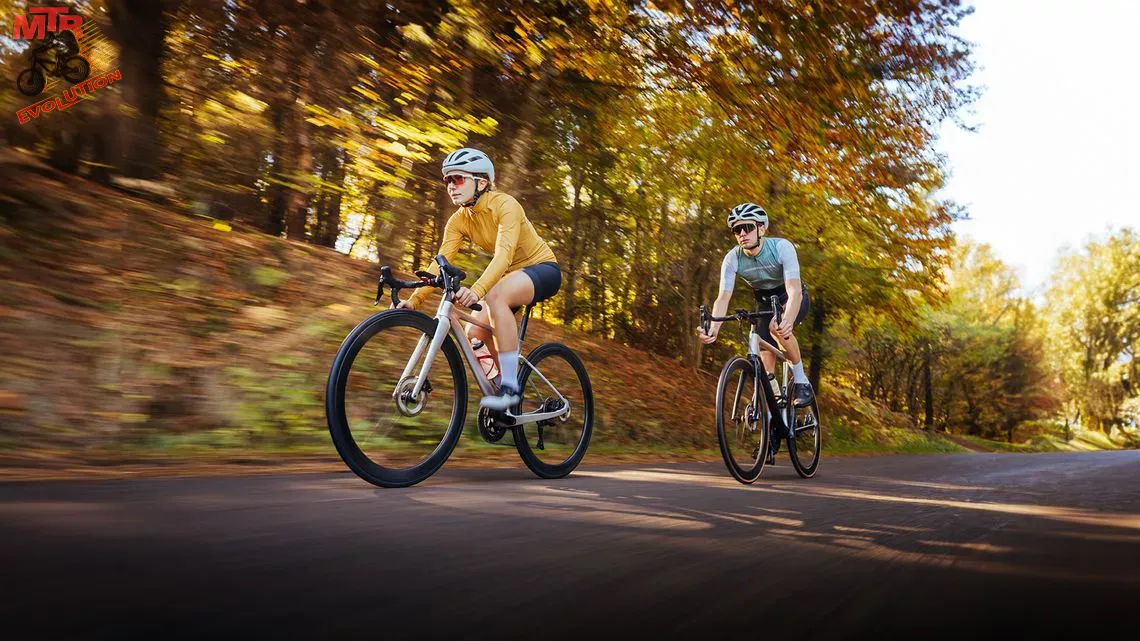
📏 2. Tire Width
Tire width directly affects stability, comfort and speed:
Narrower tires (23–28 mm) – lower resistance and higher speed on asphalt, but less comfort on rough ground.
Wider tires (35–50 mm) – more stability and comfort, better grip on gravel, sand and mud, but slightly slower on asphalt.
MTB tires (2.0–2.8 inches) – great for control and grip on technical trails.
💡 Tip: Always check the maximum tire width your rim and frame can support.
🔧 3. Tire Profile and Tread
The tread on bike tires affects grip and slip resistance:
Smooth tires – ideal for road bikes and urban conditions.
Mid-profile tread – gravel tires, a balance between speed and grip.
Aggressive tread – MTB, enduro and downhill, giving better grip in mud, rocks and on wet trails.
💡 MTB tip: A wider, aggressive tread is better for tougher, more demanding trails, while a mid-profile tread suits XC marathons thanks to its lower rolling resistance.
🏗️ 4. Material and Construction
The material and construction of bike tires affect durability and performance:
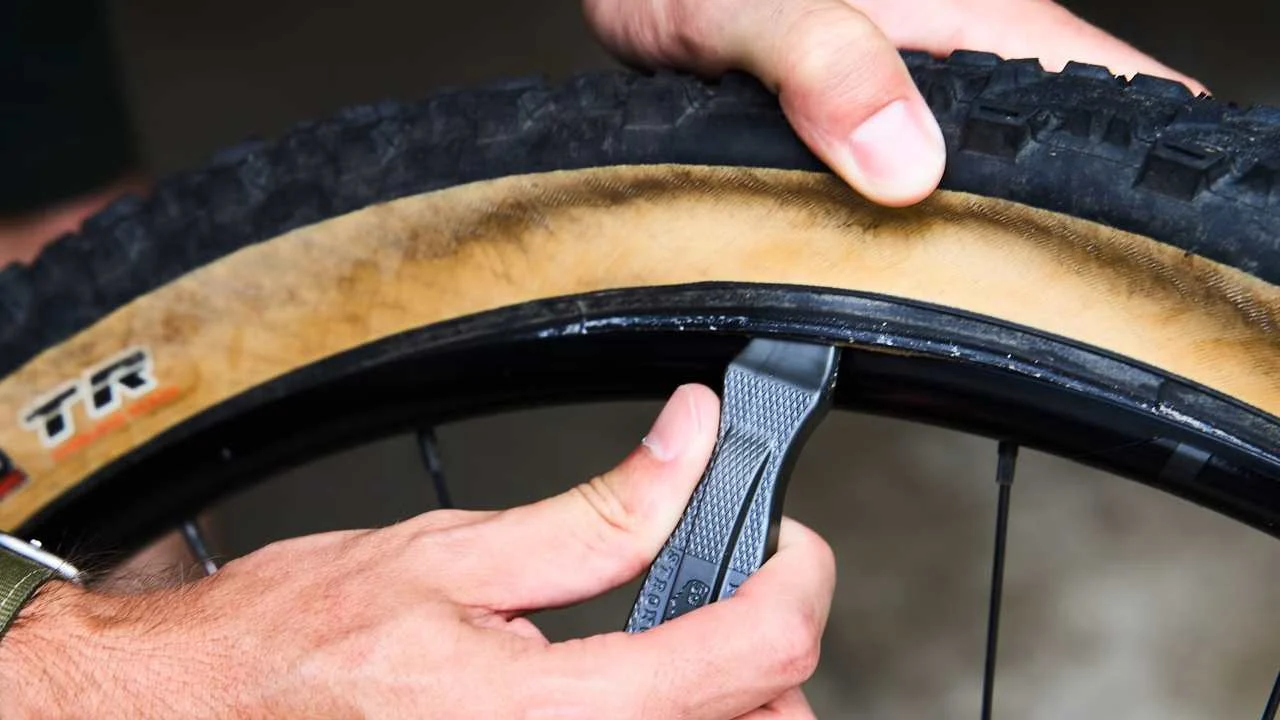
Tubeless tires – allow lower pressure, better grip and a lower risk of punctures. Ideal for MTB and gravel. You can find more information in our article MTB Tires: Tubeless vs. Standard – Which Is the Better Option? If you want to make the switch yourself, follow our 9-step guide to setting up tubeless tires.
Standard tires with an inner tube – cheaper and easier to replace.
Reinforced tires – “reinforced” or “puncture resistant” models protect against cuts and impacts, especially on rocky and urban terrain.
💡 Tip: For e-MTBs and heavier bikes we recommend reinforced tires because of the extra weight and added stress on the tire.
⛽ 5. Tire Pressure
Properly inflated bike tires are key to performance and safety:
| Bike type | Recommended pressure |
|---|---|
| MTB | 1.8–2.5 bar |
| Road | 6–8 bar |
| Gravel | 3–5 bar |
| City | 3–5 bar, depending on width and load |
Lower pressure increases grip and comfort, while higher pressure reduces resistance and makes the bike faster.
For a more detailed guide to bike tire pressure, read our article Bike Tire Pressure: A Guide for All Riding Types, or work out your own number with the bike tire pressure calculator.
💰 6. Price and Quality
Budget options – fine for recreational riders, but lower durability and puncture resistance.
Mid-range – a balance between performance and longevity, ideal for most cyclists.
High-end tires – professional performance, light and durable, suited to marathons, races and demanding trails.
💡 Tip: Investing in quality bike tires often pays off many times over, especially on demanding terrain.
⚙️ 7. Other Factors
Tire weight – matters for acceleration and control, especially in MTB and road riding.
Seasonal conditions – winter and all-season bike tires improve grip on wet and slippery surfaces.
Rim and frame compatibility – check the dimensions before you buy.
🏞️ 8. Tips for Different Riding Types
MTB – choose tubeless or reinforced tires, 2.2–2.8 inches wide, with an aggressive tread for technical trails. For a more detailed guide to MTB tires, read our article How to Choose MTB Tires.
Road bike – narrow, smooth tires at 6–8 bar for speed and minimal resistance.
Gravel – mid-width gravel bike tires of 35–45 mm balance gravel and asphalt, and a tubeless setup is recommended.
City bike – focus on puncture resistance and comfort, with a wider, smooth tire of 28–45 mm.
✅ Conclusion
Well-chosen bike tires significantly improve your ride, whether you care about speed, safety or comfort. When choosing, consider bike type, terrain, width, tread, material, pressure and budget. A good choice lets you enjoy the ride without worrying about slipping, punctures or losing control.
How to Quickly Choose Bike Tires by Riding Type
If all of this feels like too much, here is a simple breakdown based on where you ride most:
- Forest trails and rock: wider tires with a more aggressive tread and a reinforced sidewall.
- Dirt roads and mixed terrain: mid-width tires with a low center tread and knobs on the sides.
- Asphalt and fast riding: narrow tires with a smooth tread and low rolling resistance.
- City and everyday riding: tires with puncture protection and durable rubber.
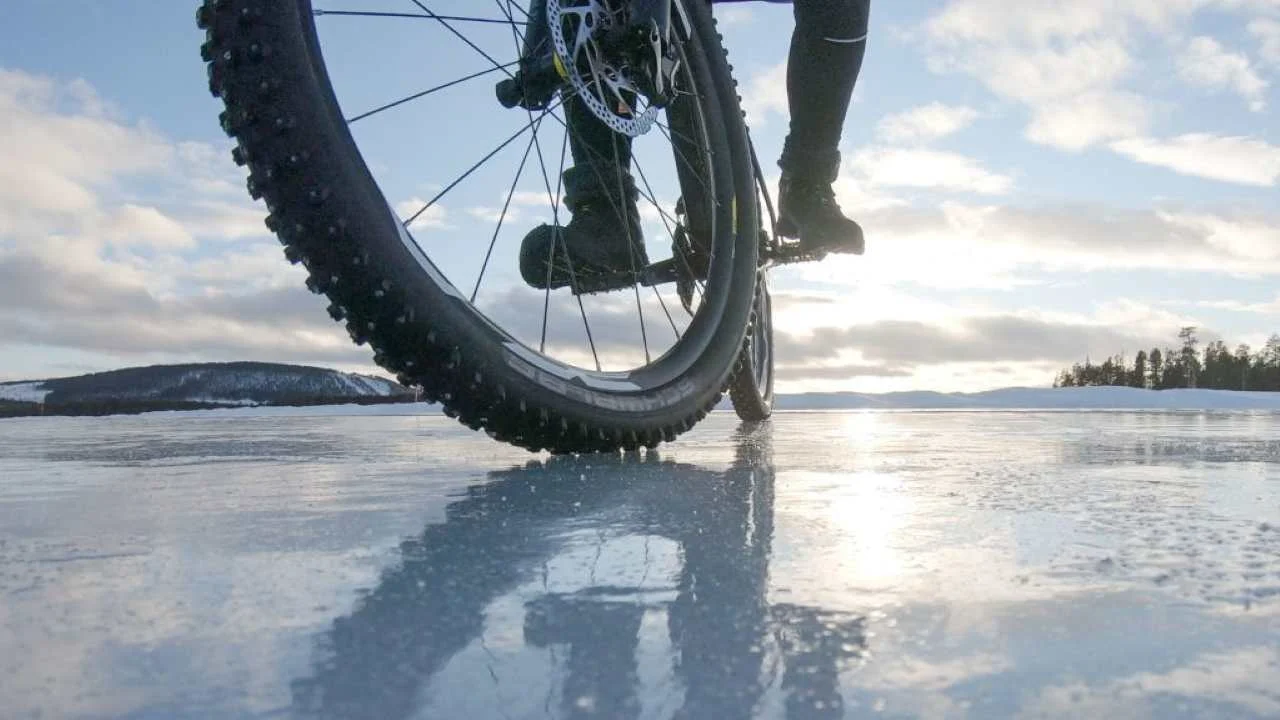
- Winter and ice: studded tires or a special rubber compound.
Tubeless or Inner Tube
Tubeless tires run without an inner tube, so they allow lower pressure, fewer punctures and better grip. They are a great choice for recreational riding in the forest, while a regular inner tube is easier to maintain for city riding. If you are thinking about switching, take a look at our tubeless system guide.
When to Replace Bike Tires
When the tread is worn, you can see cracks on the sidewalls or the tire punctures often, it is time for a new one. The signs are explained in detail in the guide replacing bike tires, and you can find the right pressure for your new tire in the guide bike tire pressure. If you are not sure which bike tires fit your bike and rim, bring the bike to our bike service, where we will check rim width and compatibility. You can also have the fitting done by our bike tire replacement service or book a service slot in advance.
Sources and Further Reading
- Bicycle tire (Wikipedia) – tire construction and valve types
- Tubeless tire (Wikipedia) – differences between tubeless systems