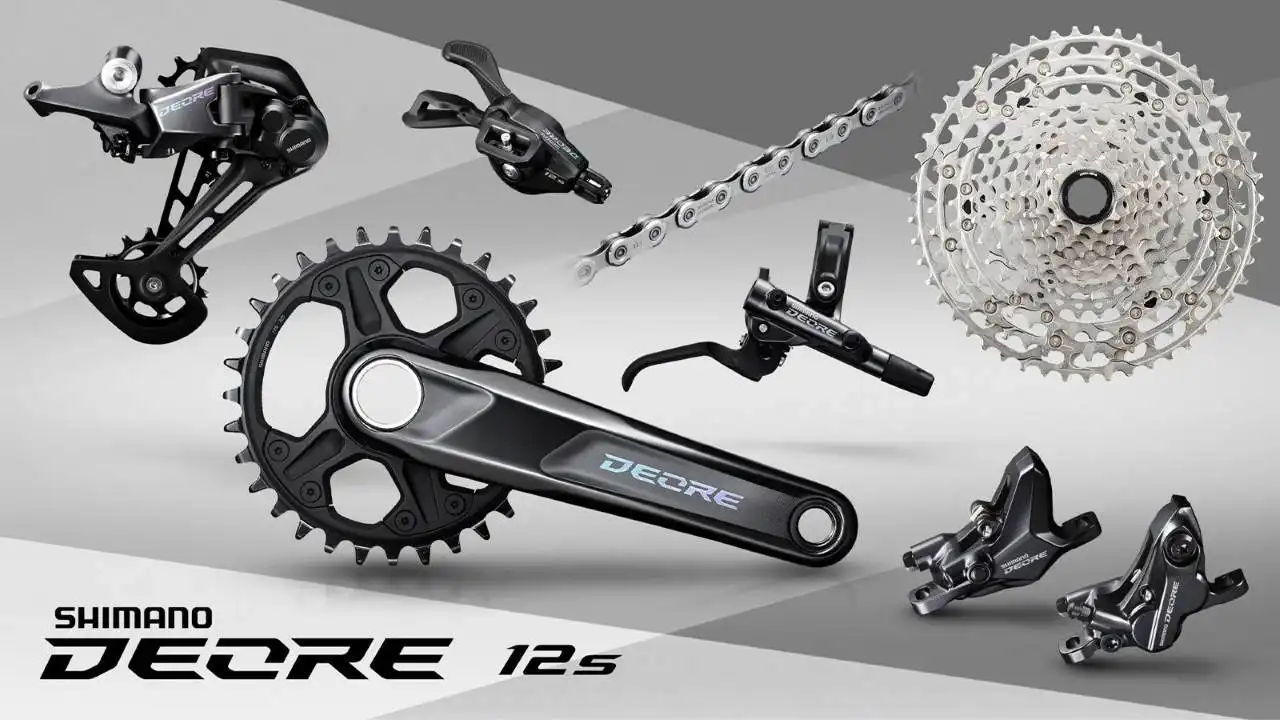
Shimano MTB Groupsets – From Tourney to XTR (plus ZEE and Saint)
Shimano MTB groupsets are a byword for reliability, precision and long tradition. The Japanese giant has been synonymous with quality in the cycling world since 1921, and today's range of Shimano MTB groupsets covers everything – from recreational rides to World Cup downhill racing.
In this guide we walk through the complete Shimano groupset hierarchy – from Tourney to XTR, including the ZEE and Saint series, with descriptions, part codes and buying recommendations.
🔹 1. Shimano Tourney (TZ, TX, TY series)
📆 Years: 1990–present
🔧 Examples: RD-TX800, FD-TZ31, SL-TX50
🏁 Use: recreational and city MTB
The basic groupset for beginners and city bikes. Reliable, simple and very affordable.
✅ Pros: low price, easy maintenance
❌ Cons: less precise shifting, heavier construction
🔹 2. Shimano Altus (M2000 series)
📆 Since: 1998–present
🔧 Examples: RD-M2000, SL-M2010
🏁 Use: recreational MTB
Your entry into the more serious MTB world. It brings 8 speeds, better ergonomics and a better feel on the trail.
✅ Pros: more precise derailleur, good value
❌ Cons: not compatible with modern 1x drivetrains
🔹 3. Shimano Acera (M3000 series)
📆 Since: 1997–present
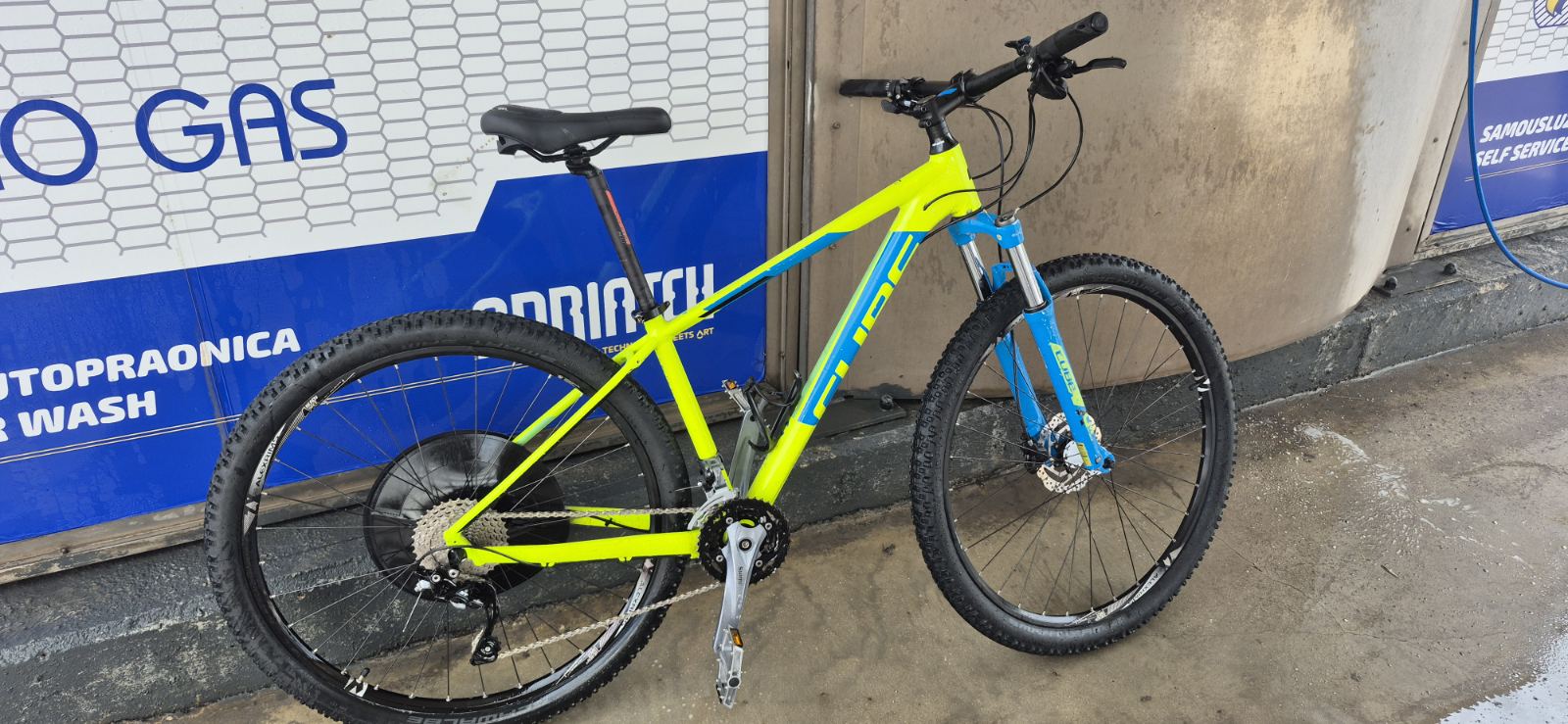
🔧 Examples: RD-M3020, FC-M3000
A dependable 8–9 speed groupset, often found on mid-range bikes.
✅ Pros: solid durability, easy maintenance
❌ Cons: noticeably heavier than the higher series
🔹 4. Shimano Alivio (M3100)
📆 Since: 1998–present
🔧 Examples: RD-M3100, SL-M3100
Designed for trekking and MTB bikes, with 9 speeds and quality finishing.
✅ Pros: excellent price-to-quality ratio
❌ Cons: less precise under heavy load
🔹 5. Shimano Deore (M6000 → M6100)
📆 Since: the 1980s
🔧 Examples: RD-M6000 (10s), RD-M6100 (12s)
The best-known and most widespread MTB groupset. It offers Shadow+ technology and 12 speeds in newer versions.
✅ Pros: reliable, robust and modern
❌ Cons: a bit heavier than the higher series
🔹 6. Shimano SLX (M7000 → M7100)
📆 Since: the 2000s
🔧 Examples: RD-M7100, FC-M7120
Mid-range with top-level performance, almost identical to XT.
✅ Pros: excellent balance of price and performance
❌ Cons: slightly rougher finish
🔹 7. Shimano Deore XT (M8000 → M8100)
📆 Since: 1983–present
🔧 Examples: RD-M8100, SL-M8100
A legendary groupset – the right choice for serious riders. XT brings 12 speeds, lightweight materials and flawless precision.
✅ Pros: durable, precise, light
❌ Cons: price in the higher segment
🔹 8. Shimano ZEE (M640)
📆 Since: 2012–present
🔧 Examples: RD-M640, FC-M645
🏁 Use: enduro, freeride, downhill
ZEE is the “little brother” of Saint – built for aggressive descents. It brings 10 speeds, reinforced components and Shadow+ technology.
✅ Pros: robustness, affordable price in the DH segment
❌ Cons: limited choice of configurations
🔹 9. Shimano Saint (M820)
📆 Since: 2003–present
🔧 Examples: RD-M820, FC-M825
🏁 Use: downhill, freeride, gravity MTB
Saint is a synonym for extremely durable components. It is used in world-level DH competition and delivers maximum strength and control.
✅ Pros: exceptional strength, top-level control
❌ Cons: heavier components, high price
🔹 10. Shimano XTR (M9000 → M9100)
📆 Since: 1992–present
🔧 Examples: RD-M9100, FC-M9120, SL-M9100
🏁 Use: XC, trail, professional MTB
The lightest and most precise MTB groupset in the Shimano family. Made of carbon and titanium, it uses the most advanced technology.
✅ Pros: uncompromising performance
❌ Cons: high price and demanding maintenance
⚙️ Shimano MTB groupsets by generation (with ZEE and Saint)
| Series | Year | Speeds | Use | Note |
|---|---|---|---|---|
| Tourney TX | 1990–present | 6–7 | City/recreational | The most basic groupset |
| Altus M2000 | 2016–present | 8 | Entry-level MTB | Stable derailleur |
| Acera M3000 | 2015–present | 9 | Recreational MTB | Easy to service |
| Alivio M3100 | 2020–present | 9 | Touring/MTB | Great for e-bikes |
| Deore M6100 | 2020–present | 12 | Trail/All-mountain | Shadow+ |
| SLX M7100 | 2019–present | 12 | Trail/Enduro | Light and fast |
| XT M8100 | 2019–present | 12 | XC/Enduro | Professional use |
| ZEE M640 | 2012–present | 10 | Freeride/Downhill | Reinforced durability |
| Saint M820 | 2013–present | 10 | Downhill | Pro-level DH |
| XTR M9100 | 2018–present | 12 | XC/Pro Race | Carbon and titanium |
📈 Conclusion
If you are just starting out, Tourney–Alivio are the right choice.
For advanced recreational riders, Deore and SLX offer the perfect balance of strength and precision.
If you chase technical trails, ZEE and Saint are the right choice for downhill and enduro.
And if you want the ultimate in technology, XTR is Shimano at its purest.
🔧 Final note
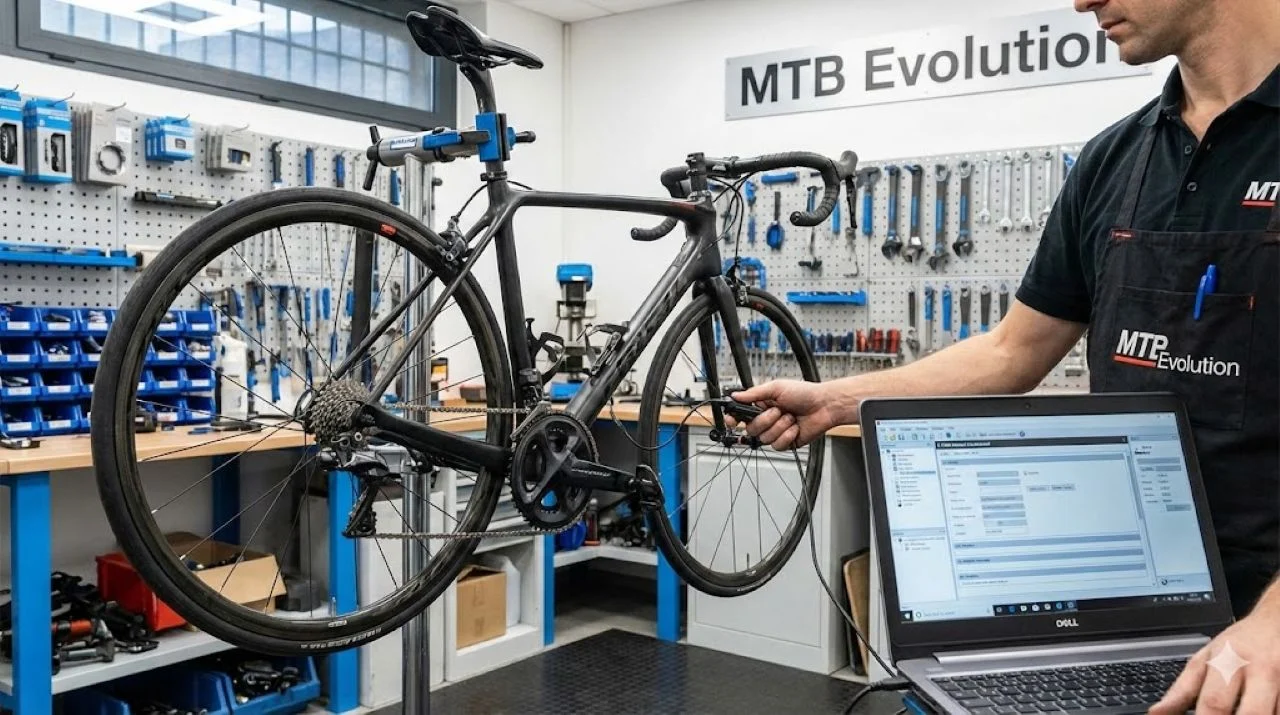
Whichever Shimano MTB groupset you choose – from Tourney to XTR, including ZEE and Saint – regular maintenance is the key to your bike's longevity and optimal performance. For every kind of service, from derailleur adjustment, chain and brake replacement to a complete drivetrain check, visit Servis Evolution, book your slot online and leave your bike to the experts.
Shimano MTB groupsets: which one to choose in a quick guide
Most riders choose Shimano MTB groupsets the wrong way, and the question for the mechanic is which groupset is enough. The best Shimano groupset for MTB depends on how you ride, not on the label.
- Recreational riding and city: Altus, Acera or Alivio give reliable operation at a lower price.
- Trail and regular MTB riding: Deore is the smart choice because it offers a lot for little money.
- Demanding riding and longer tours: SLX and XT bring lower weight and more precise operation.
- Racing and the top level: XTR is the lightest and most precise option, but also the most expensive.
- Downhill and bike park: ZEE and Saint are built for heavy loads.
Compatibility and maintenance: Shimano MTB groupsets
Before upgrading, check the number of speeds, the cassette type and the drivetrain, because Shimano MTB groupsets use different standards. A quality groupset only pays off with regular maintenance; replace the chain following the guide replacing a chain on a mountain bike, and check chain and cassette compatibility in the article best chains and cassettes 2026. In short, Shimano MTB groupsets differ in weight, precision and durability, not in the basic principle of operation. Higher-end Shimano MTB groupsets keep their edge through better material finishing. For adjustment and servicing, visit the bike service, and if you ride electronic shifting, see our Shimano Di2 service. If you don't know which groupset your bike uses, also read wear of bike components and our guide to drivetrain wear.
Sources and further reading
- Derailleur gears (Wikipedia) – groupset specifications
- Shimano (Wikipedia) – about the company