Full suspension vs hardtail is the question you're probably asking when you pick your next MTB bike:
🚴♂️ Should I get a hardtail or a full suspension?
Both have their strengths, but the choice depends on your riding style, terrain and budget. Below we'll help you make the best decision.

🔧 What Is a Hardtail MTB?
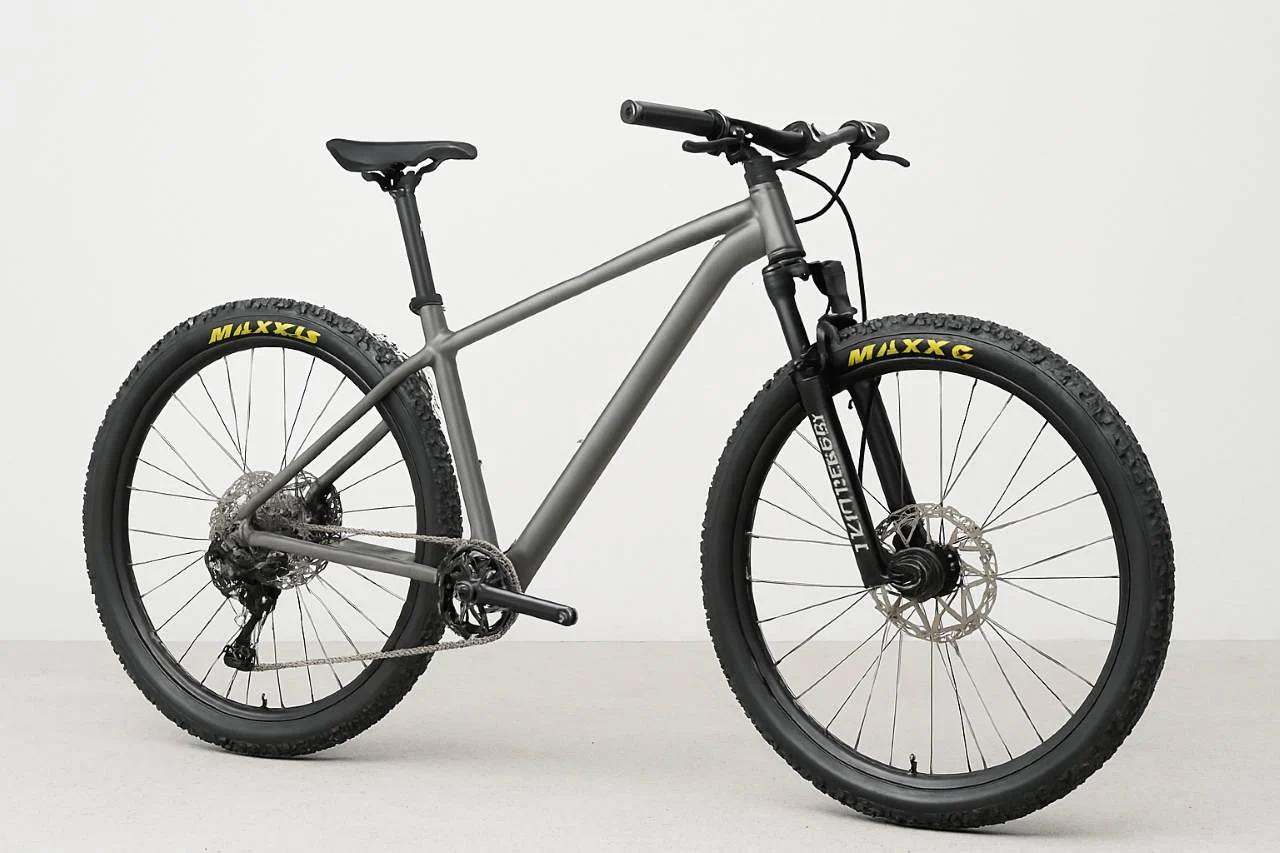
A hardtail bike has front suspension only. The rear of the frame is rigid, which makes it:
✅ Easier to climb with
✅ Faster on flat terrain
✅ Simpler to maintain
✅ Ideal for beginners and XC racing
💡 Advantages of a hardtail:
⚖️ Lower weight – better for climbing
💰 Lower price – a more affordable model
🧰 Simple maintenance – fewer parts, fewer worries
🏁 Efficiency on flat terrain – speed and control
gravel cycling
gravel bike
all-terrain bike
gravel routes
gravel riding
gravel adventure
gravel bike for beginners
cycling in nature
🚵♀️ What Is a Full Suspension MTB?
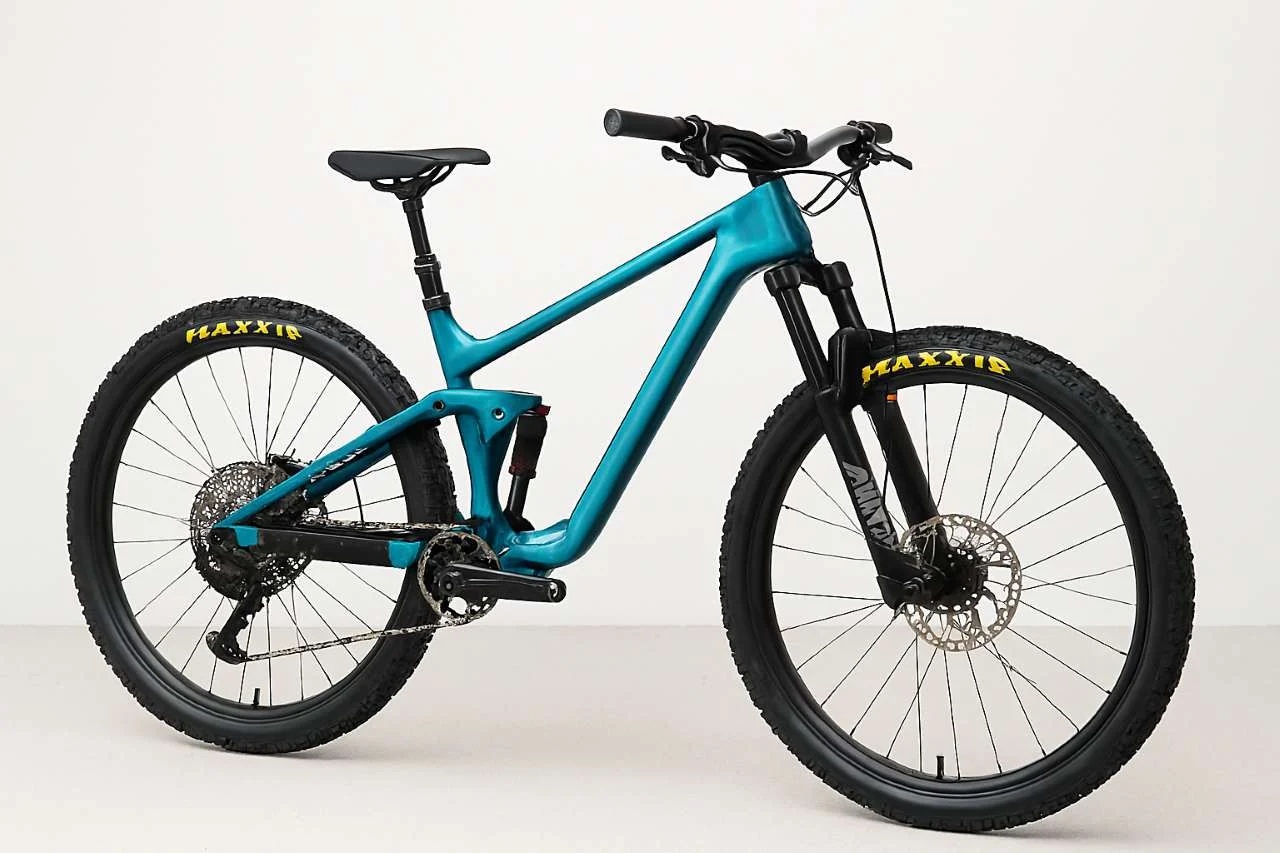
A full suspension bike has both front and rear suspension.
It is built for rougher terrain and is ideal for trails, bike parks and downhills.
⭐ Advantages of full suspension:
🛠️ More control and comfort on technical trails
🧍♂️ Less body fatigue on long rides
⛰️ Better grip and safety on descents
🧲 Rear wheel stays in contact with the ground – stability and traction
Full suspension vs hardtail is the first question for anyone buying a new MTB. The answer depends on your terrain, budget and riding style, not on what's trendy right now. Below are the differences, pros and cons of both concepts, with tips from Bike Park Evolution.
In short, from this guide:
- A hardtail has a shock only at the front, so it is cheaper, lighter and simpler to service; it's best for gravel, forest roads and XC rides.
- A full suspension gives more control and grip on technical descents, but it costs more and needs more servicing.
- Service the front fork and rear shock every 50 to 100 hours of riding, and do a complete check-up once a year.
- Before buying, try both types on the same trail, and have a used bike inspected at a service shop.

Full suspension vs hardtail: which MTB is right for you?
- Hardtail: if you ride XC trails, forest roads and gravel, it gives you speed and efficiency.
- Full suspension: if you prefer technical trails, rocky terrain and a more aggressive riding style, you need an MTB with a rear shock.
At the MTB Evolution club you can test both types right on the trail. Our routes are ideal for feeling the difference between a hardtail and a full suspension.
Price and maintenance: what costs more
A full suspension MTB is more expensive, not only to buy but also to maintain. A hardtail is simpler and easier to service, but it has limits on more demanding terrain.
Advice from the MTB Evolution club
The most important thing is that the bike suits your riding style and goals. If you're torn, visit us and test the difference on a trail like Katera Trail or Roller Coaster in our Bike Park Evolution.
The most common mistake I see is someone buying a full suspension because it looks more serious, then mostly riding gravel. For the same money, a hardtail often comes with better brakes and a better fork, and it costs you less time and money in service every year.
— Marko Ristivojević, Bosch eBike Expert and Master Bike Mechanic
What is a hardtail and what is a full suspension
A hardtail MTB has a shock only on the front wheel, while the rear of the frame is a rigid triangle. A full suspension has a shock at the front and the back, so the rear wheel follows the terrain independently of the frame. That's why the difference between the two is felt most on rough, fast terrain.
Pros and cons of each bike
Hardtail
- Pros: lower price, lower weight, simple maintenance and efficient power transfer on climbs.
- Cons: less comfort and control on rocks, roots and fast descents.
Full suspension
- Pros: better control, more rear-wheel grip, less fatigue on long technical descents.
- Cons: higher price, more weight and more parts to service, such as bearings and the rear shock.
Who each bike is for
If you mostly ride forest roads, gravel and XC rides, a hardtail mountain bike gives you everything you need for less money. If you ride trail and enduro, technical descents and bike parks, a full suspension means more safety and more fun. In practice, where you ride matters more than what's popular at the moment. For a closer look at the full-travel side, read our guide to full suspension bikes in 2026, and if you're unsure which category fits your riding, see trail vs enduro vs downhill.
Budget and maintenance costs
Besides the purchase price, factor in maintenance costs. A full suspension needs regular servicing of the rear shock and checks of the frame bearings, while a hardtail costs less to keep running. In both cases, setting up the suspension correctly matters more than the model, so use the suspension calculator and the MTB suspension guide.
How to test before you buy
The best advice is to try both types on the same trail. On trails like Katera or Roller Coaster in Bike Park Evolution, the difference between a full suspension and a hardtail becomes clear after just a few descents. Before buying a used bike, have it inspected at a bike service.
How to choose an MTB: budget, terrain and maintenance
After comparing the types, a practical question remains: what exactly should you buy with the money you have? The answer depends on three things, not on fashion or a friend's recommendation.
- The terrain you ride most often. If it's gravel, forest roads and longer tours, a bike with a rigid rear end is practical and reliable. If it's technical descents, roots and rocks, a bike with a rear shock gives you more control.
- Your budget for the bike and gear. For the same money you often get better parts on a simpler bike: better brakes, fork and tires. Also count a helmet, gloves, a pump and tools.
- Your willingness to maintain it. A bike with a rear shock has more bearings and seals that need regular servicing. The fork and shock need service every few hundred hours of riding, and the rear triangle bearings need occasional replacement.
Frame size and setup
Whatever the type, the wrong frame size spoils everything else. Before buying, measure your inseam and compare it with the manufacturer's chart; our guide to bike frame size will help too. After buying, set the shock pressure according to your weight and riding style, and set tire pressure using the guide bike tire pressure.
Test ride: what to check
- Is your position on the bike comfortable after 20 minutes of riding, not just in the parking lot?
- How does the bike react on a climb: does the rear end bob when you pedal?
- How does it behave on rough terrain and in corners?
- Do the brakes work evenly and without squealing?
The best way to understand the difference is to try both types. For advice before buying, or to have a used bike checked, get in touch with our bike service, and check the Bike Park Evolution page for trails to test on. For more on buying a used bike, we have a separate guide, and one more helpful read is how to choose the right bike for yourself.
What else to look at before you buy
Frame construction isn't the only thing that determines how a bike behaves on the trail. The quality of the shock, wheel size, geometry, brakes and drivetrain matter just as much. A good mid-range bike with quality brakes is often a smarter purchase than an expensive model with weak components.
Geometry and stability
The wrong frame size spoils even the most expensive model. Consider your height, inseam and riding style. A longer, lower bike gives stability on fast descents, while a shorter, more upright one handles tight climbs and switchbacks better. If you're not sure which size suits you, it's best to try the bike in person before you pay for it.
Wheels, tires and brakes
29-inch wheels roll over obstacles more easily and hold speed, while smaller wheels are more nimble. Tires with a more aggressive tread grip better on wet and loose terrain, but they're slower on asphalt. Hydraulic disc brakes are standard today and worth investing in, because they're what give you confidence on long descents.
How much maintenance costs and what needs servicing
Every MTB needs regular maintenance, but the amount of work differs. A bike with a rear shock has more moving parts: pivot bearings, the rear shock and often extra seals. That's why service takes longer and costs a bit more. A bike with a rigid rear end is simpler to clean, lube and adjust, so it suits those who want lower costs through the season.
- After every ride: wash the bike, dry the chain and check tire pressure.
- Every 50 to 100 hours of riding: service the front fork and rear shock, and check the air in the chambers and the seals.
- Once a year: a complete check-up, brake pad replacement if needed and a bearing check.
If you need expert help, see our page on bike service or book an appointment right away.
Tips for beginners and experienced riders
Beginners are most often advised to start with a simpler bike, because that's where they learn the basics fastest: proper stance, brake control and line choice. Once you feel confident on technical sections and start riding faster descents, moving to a bike with rear suspension makes sense. Experienced riders often keep both types: one for long rides and training, the other for the bike park and demanding trails.
Before making your final decision, spend at least one day on the trail with two different models. The difference is clear after just a few descents, and your back and hands will tell you which bike suits you better.
Conclusion
Whether you're team hardtail or team full suspension, what matters is that you're on two wheels, out in nature and enjoying it. The terrain will tell you which MTB suits you better, and if you want a hand, contact us and we'll help you make the right choice.
Sources and further reading
- Bicycle suspension (Wikipedia) – types of suspension and how they work
- Mountain biking (Wikipedia) – an overview of the sport and types of MTB bikes
Buying a new or used MTB? Have it checked at our service before you buy, or book an appointment right away.
Book a serviceFrequently Asked Questions
Is a hardtail or a full suspension better for a beginner?
Beginners are most often advised to start with a hardtail because it is cheaper, lighter and simpler to maintain, and it's where you learn the basics faster: stance, brake control and line choice. A full suspension makes sense once you start riding technical descents.
How often should a full suspension bike be serviced?
Service the front fork and rear shock every 50 to 100 hours of riding, and do a complete check-up once a year, including a check of the bearings on the rear triangle pivots.
Can a hardtail be ridden in a bike park?
It can, but you get less comfort and control on rocks, roots and fast descents. For a bike park and demanding trails, a full suspension gives more confidence.
❓ More Questions – Full Suspension vs Hardtail
1. 🧩 What is the main difference between a hardtail and a full suspension MTB?
A hardtail has front suspension only, while a full suspension has both front and rear. A full suspension offers more comfort and control on demanding terrain, while a hardtail is lighter and more efficient on flat and uphill sections.
2. 🛠️ Is a full suspension harder to maintain?
Yes. A full suspension MTB has more moving parts (shocks, linkages, bearings), which requires regular maintenance and can raise service costs.
3. 💸 What is better value for beginners?
A hardtail is usually the better choice for beginners because it's more affordable, simpler to maintain and great for learning the basics of mountain biking.
4. 🚵♂️ Can a hardtail be ridden on trails?
Yes, but with limits. On easier trails a hardtail does quite well, but for technically demanding sections and longer descents, a full suspension offers more safety and comfort.
5. 🧭 How do I know which bike is right for me?
The best way is to test both! At the MTB Evolution club we offer test rides of different bike types on real trails. Contact us for a test ride.
.
🚵♂️ Test a hardtail and a full suspension on real trails!
At Bike Park Evolution a network of professionally built trails awaits you – the perfect chance to feel the difference between MTB models in real conditions.
🔍 See the trails at Bike Park EvolutionMTB cycling
Mountain biking
MTB bikes
MTB riding
MTB competitions
MTB gear
MTB trails
Best MTB destinations
.
🎢 Feel the full power of a full suspension bike on the Roller Coaster trail!
Get ready for an adrenaline-filled descent on one of the most exciting trails in Bike Park Evolution.
Ideal for testing a full suspension MTB in real trail conditions.