A full suspension bike in 2026 is no longer the heavy, clumsy machine of the past. Today it is the peak of bike engineering – light, responsive and able to smooth out the roughest terrain nature can throw at you.
Whether you're chasing seconds at XC races, looking for maximum adrenaline in Bike Park Evolution, or simply want to protect your back on long marathons, the "fully" is an essential tool in every serious rider's arsenal.
The short version: fullys in 2026
- Evolution: From heavy, inefficient models in the 80s to today's ultra-light carbon machines with smart (electronic) suspension.
- Split by travel: XC (100–120 mm), Trail (120–150 mm), Enduro (150–180 mm) and Downhill (200+ mm).
- The e-MTB revolution: Electric fullys now dominate the market, blurring the line between brutal climbs and aggressive descents.
- The price of quality: Entry-level models start at around €1,500, while 2026 "Super Bike" models easily top €10,000.

Full suspension bike: a short history
The full suspension bike, also known as a "fully" or dual-suspension bike, appeared in the 1980s, when mountain biking pioneers wanted to soften the hits on rough, technical terrain. The first models were heavy, "ate" your energy while pedaling and were fairly impractical, but they laid the foundation for today's machines.
The 1990s brought a real technological breakthrough. Companies like Specialized, Trek and Santa Cruz began mass production and developed new, more efficient rear suspension systems.
Today, these bikes are a top-level blend of comfort, control and uncompromising performance – we've gone from mechanical solutions to smart electronic shocks that read the terrain a thousand times per second.
Types of fullys by suspension travel
| Category | Travel | Purpose | Examples |
|---|---|---|---|
| XC | 100–120 mm | Marathons, XC races | Trek Supercaliber, Specialized Epic, Orbea Oiz |
| Trail | 120–150 mm | Versatile forest riding | Giant Trance, Canyon Neuron, Trek Fuel EX |
| Enduro | 150–180 mm | Enduro races, tough descents | Santa Cruz Nomad, Orbea Rallon, Cube Stereo ONE77 |
| Downhill | 200+ mm | Bike parks, DH competitions | Commencal Supreme DH, Trek Session |
Not every full suspension bike is the same. They are divided by purpose and, most importantly, by shock "travel". Each subcategory has its own riding style and ideal conditions.
1. XC (Cross Country) Full Suspension
- Suspension travel: 100–120 mm
- Strengths: Speed, pedaling efficiency, an extremely lightweight build.
- Examples: Trek Supercaliber, Specialized Epic, Orbea Oiz.
- Best for: Marathons, fast XC races, technically milder terrain with plenty of climbing.
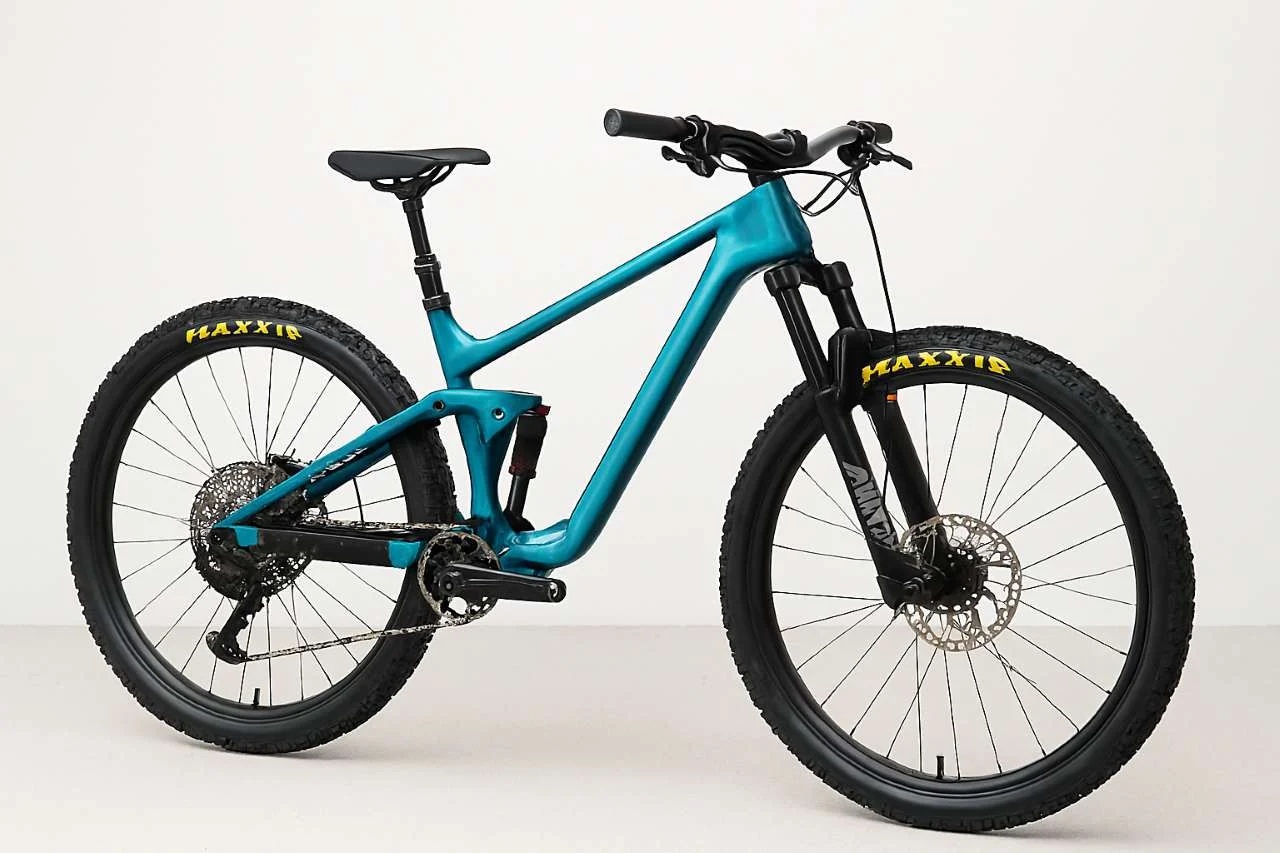
Many riders still believe a "rigid" hardtail is the only right choice for XC races and marathons. The truth is completely different. Modern XC full suspension machines weigh barely 10 kilograms today. Thanks to perfect kinematics and smart shocks, they don't waste a single milliwatt of your energy on the climbs, while on rough technical sections they save your back, keep the tire glued to the ground and gain you precious seconds. In serious racing, the hardtail is slowly becoming a thing of the past.
— Marko Ristivojević, Master Bike Mechanic
2. Trail full suspension
- Suspension travel: 120–150 mm
- Strengths: Versatility. A perfect balance between easy climbing and descending confidence. The sweet spot for most riders.
- Examples: Giant Trance, Canyon Neuron, Trek Fuel EX.
- Best for: All kinds of forest trails, from all-day rides to moderately technical descents.
3. Enduro (Kings of the Mountain)
- Suspension travel: 150–180 mm
- Strengths: Built to survive the toughest trails, rock gardens and big jumps, while still (with a little effort) being able to ride to the top of the mountain.
- Examples: Santa Cruz Nomad, Orbea Rallon, Cube Stereo ONE77.
- Best for: Enduro races, aggressive riding and the most technical terrain.
4. Downhill (DH)
- Suspension travel: 200 mm+ (dual-crown forks)
- Strengths: Maximum control and survivability at extreme downhill speeds. These bikes aren't ridden uphill – you need a lift or a shuttle van.
- Examples: Commencal Supreme DH, Trek Session.
- Best for: Bike parks, DH competitions and the most extreme terrain.
E-MTB full suspension: a new era
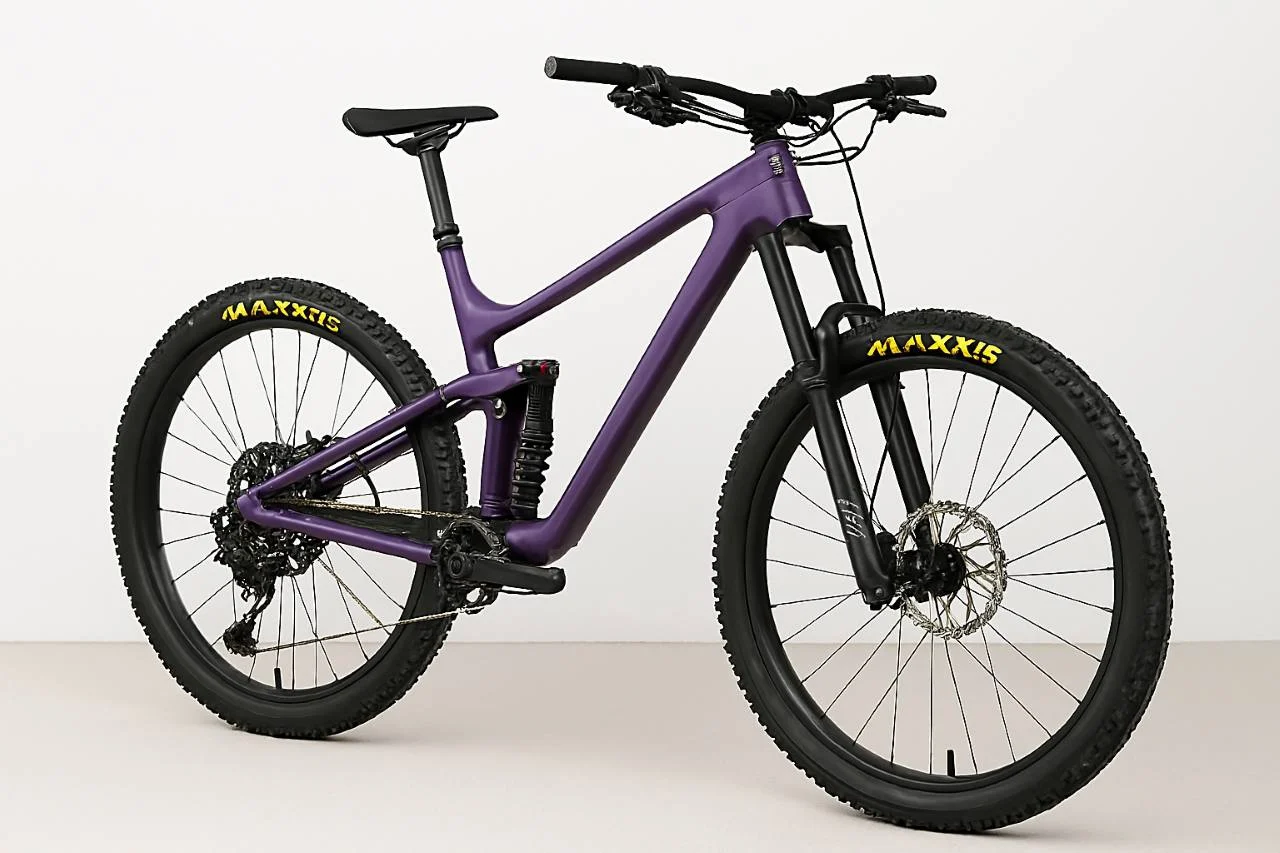
When we talk about innovation in 2026, it's impossible to ignore electric (E-MTB) full suspension bikes. Adding a mid-drive motor to a "fully" frame changed the game. You used to have to choose: a heavy enduro bike for a great descent but agony on the climb. Now the motor erases that problem.
Today's e-MTB fullys (such as the Cube Stereo Hybrid or Trek Rail; see also our Cube Stereo Hybrid upgrade) offer seamless integration of battery and smart software. Their extra weight (from the motor) actually improves rear shock traction, keeping them glued to the ground on fast, rough descents.
Who is a fully for?
These bikes are an ideal investment for the following groups of riders:
- Riders on technically demanding trails: Roots, rocks and drops call for a rear shock to keep the rear wheel alive.
- People with back pain: If your lower back aches after a ride, rear suspension that soaks up micro-impacts is the cure you need.
- Adventurers: Who want maximum comfort and safety on multi-day mountain tours.
- Racers: In enduro, DH and, increasingly, XC disciplines too.
Who should NOT buy one? Complete beginners who ride exclusively on flat gravel or asphalt – a classic hardtail (a bike with front suspension only) is far more cost-effective, lighter and faster for them. For a detailed breakdown, read our full suspension vs hardtail comparison.
Super Bike: top-class full suspension in 2026
The term "Super Bike" refers to elite full suspension models built for professionals and enthusiasts with deep pockets. In 2026, these bikes bring carbon frames, electronic (wireless) shifting and smart suspension (like RockShox Flight Attendant) that locks out automatically on climbs.
Top 5 "Super Bike" models for 2026
- Specialized S-Works Enduro (An uncompromising carbon machine for the toughest trails)
- Trek Fuel EX 9.9 AXS (The king of the Trail category with wireless tech)
- Santa Cruz Megatower CC XO1 (Cult status in the enduro world)
- Orbea Rallon M-LTD (A European gem with asymmetric design)
- YT Capra Core 5 (A direct-to-consumer beast with undeniable performance)
Prices for these models regularly top €10,000 today, but they deliver performance and technology on par with the World Cup.
Maintenance: a full suspension bike needs regular service
A fully loses its whole point if the shocks aren't serviced on time or the sag isn't set for your weight. Dirty oil and worn seals reduce suspension sensitivity and speed up wear on expensive parts. That's why we recommend regular suspension service (fork and rear shock).

Is your suspension working the way it should? Don't let dirty oil ruin your ride.
Book a suspension serviceFrequently asked questions about full suspension bikes
Is a full suspension bike better than a hardtail?
On technical terrain with rocks and roots, full suspension offers more comfort, traction and control. For smoother trails and asphalt, a hardtail is better thanks to its lower weight and more efficient power transfer.
How much suspension travel do I need?
100–130 mm for XC and light trail, 150–180 mm for more aggressive trail and enduro, and over 200 mm only for downhill.
How much does a good full suspension bike cost?
Reliable entry-level models with an aluminum frame start at around €1,500, and the best value for money is usually between €2,500 and €4,500.