Washing a bike at home is the simplest way to extend the life of your components, from the chain to the bearings. Especially after rain, mud or gravel, your bike deserves a little attention, and with the right technique the wash won't damage your bearings or brakes.
In short:
- Rinse the bike with a gentle stream of water, never a mini-wash: high pressure flushes grease out of the bearings.
- Leave degreaser on the drivetrain for 3–5 minutes and keep it away from disc rotors and pads.
- Use separate brushes for the frame and the drivetrain.
- After washing, dry the chain, apply a thin layer of lube and wipe off the excess.
- After muddy MTB rides, wash the bike after every ride; in dry conditions, every 2–3 rides.
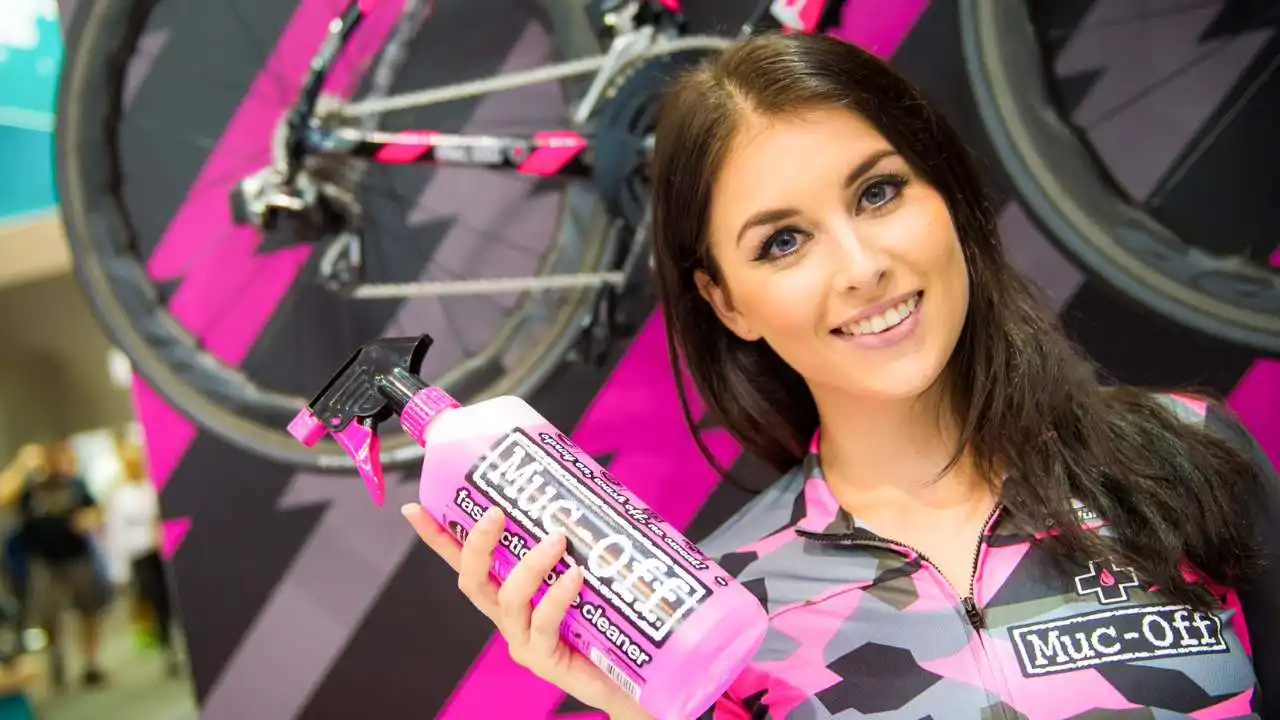
What You Need for Washing a Bike at Home
- a bucket of warm water,
- a hose with a shower nozzle (no high pressure),
- mild shampoo or bike cleaner,
- a sponge or rags,
- a set of brushes for the chain and sprockets,
- bike chain lube,
- drivetrain degreaser,
- isopropyl alcohol for disc rotors (optional),
- bike polish for a final shine (optional).
If you want a proper space for all this, see our guide to a home bike workshop setup.
How to Wash a Bike Step by Step
Here is how to wash a bike safely, without harming bearings or brakes.
1. Preparation and positioning
Put the bike on a stand or lean it securely. Wash in the shade so the water doesn't dry too quickly.
2. Rinsing
Use a gentle stream of water (the "shower" setting). Avoid "jet" and mini-wash: high pressure pushes water into the hub bearings, headset and bottom bracket.
3. Degreaser on the drivetrain
Apply degreaser to the chain, cassette and chainrings and let it work for 3–5 minutes. Make sure it doesn't touch the disc rotors or brake pads.
4. Scrubbing the frame
Use a softer brush or sponge on the frame and a stiffer brush on the chain and cassette. Never use the same brushes for the frame and the drivetrain.
5. Detailed drivetrain cleaning
Pedal backwards while a sponge or brush holds the chain, to remove old grease and dirt.
6. Rinsing again
Thoroughly rinse off all the shampoo and degreaser.
7. Drying
Shake the bike and wipe it down with a dry cloth, especially the chain and any cavities where water collects.
8. Lubricating the chain
Apply lube to the inside of the chain while pedalling backwards. Wait a couple of minutes and wipe off the excess, because extra lube attracts dirt. Not sure which product to pick? Our guide to bike grease and oil explains the options.
9. Cleaning the disc rotors
If you suspect the brakes are contaminated, wipe the rotors with isopropyl alcohol.

Most Common Washing Mistakes
- High pressure: a mini-wash jet gets past the seals and flushes grease out of the bearings. The damage isn't visible right away, only when the bearing starts to crunch.
- Degreaser on the brakes: contaminated pads lose braking power and start to squeal. If that happens, clean the rotors with alcohol; the pads often need replacing. Our guide to squeaky bike brakes covers the causes.
- Wet chain without lube: a chain left wet will rust overnight. Always dry and lube it after washing.
- Too much lube: excess lube collects dust and forms an abrasive paste that wears down the cassette and chainrings.
Washing a bike at home properly takes about half an hour and really pays off: a clean mountain bike wears out more slowly, and while washing you can spot damage to the frame, tyres and brakes more easily. For a deeper look at drivetrain care, read our bike chain maintenance guide.
How Often Should You Wash Your Bike?
| Type of riding | Washing frequency |
|---|---|
| Muddy MTB rides | After every ride |
| Dry trail conditions | Every 2–3 rides |
| Road cycling | About every 150 km |
| Winter rides | More often, because of salt |
Washing is only one part of regular care. You'll find a complete plan with intervals for the chain, brakes and suspension in our bike maintenance schedule. Component manufacturers also publish their own cleaning instructions, for example Park Tool repair help.
When to Choose a Professional Wash
If you want a result better than factory-new, with drivetrain degreasing, drying, lubrication and a visual inspection of the bike, check out our complete bike wash and detailing service. You'll find us at the Evolution workshop in East Ilidža, and you can also book by phone on 066 902 418.

No time or space for washing? Leave it to us.
Book a wash and serviceFrequently Asked Questions
Can I wash my bike with a mini-wash?
It isn't recommended. High pressure damages bearings and flushes grease out of the hubs, headset and bottom bracket.
Can I use regular detergent for washing a bike at home?
Bike cleaner is better, but a mild detergent is fine as long as you rinse the bike thoroughly.
How much lube should I put on the chain after washing?
A thin layer on the inside of the chain. After a couple of minutes, always wipe off the excess.