Bike Chain: Everything You Need to Know (Maintenance and Buying Guide)
Learn everything about the bike chain in one place: from choosing the right one and matching it to your number of speeds, to expert lubing tips. Prevent breakdowns and save money with MTB Evolution. It may not be the most exciting component on your pride and joy, but without it you won't get far – unless you ride a belt-drive bike or an old-school "penny farthing".

Below you'll find a detailed overview of everything you need to know about chains, including their structure, the different "speed" standards, compatibility, length and much more. The engineering behind this component makes sure it meshes perfectly with the front chainrings and the cassette cogs, giving you smooth, precise shifting.
Chain Structure and Parts
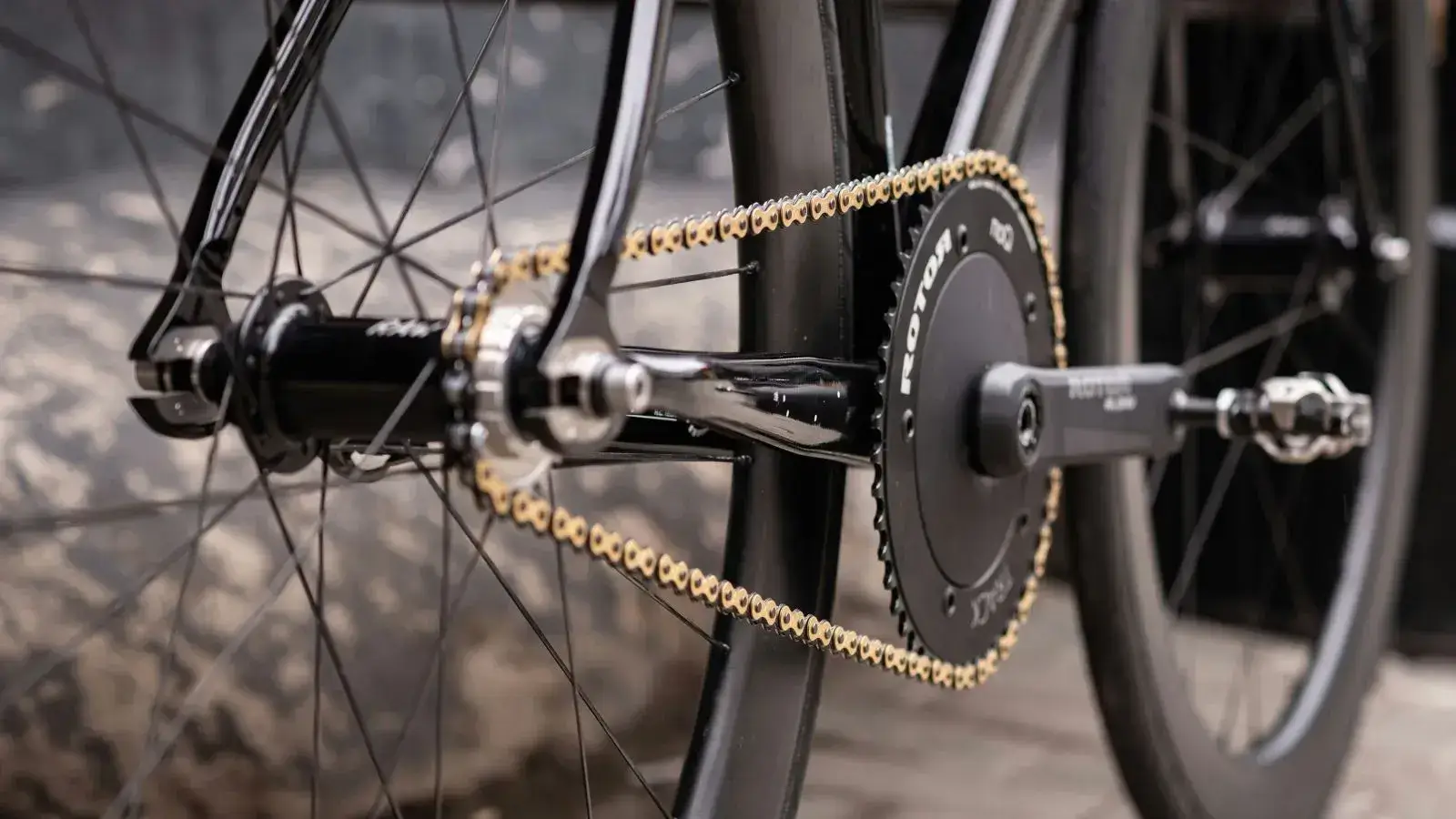
A chain is made up of a series of connected links. Most modern chains have alternating wide and narrow links in a pattern that repeats along the whole length.

Each link has two side plates that hold the rivets (pins), while the roller sits on the barrel of the inner link. On older models you could also find separate bushings, but they're mostly absent from modern designs.
Ways of Joining a Chain
Two main methods are used to turn the chain into a closed loop:
- Connecting pin (rivet): Common on Campagnolo chains. It uses a bullet-shaped pin that is longer than the chain width; after it's pressed in, the rounded tip is snapped off.
- Quick link: The most popular method today. It consists of two halves that are pushed through the pin holes from opposite sides and "lock" under tension.
Chain Width and Speed Compatibility
As the number of gears on the cassette increased, the cogs became narrower and closer together. As a result, chains got narrower too. This is the key compatibility point: you can't run a 12-speed chain on an 11-speed system without problems.
| Number of speeds | Chain width (mm) |
|---|---|
| Single speed / Track | ~9.00 mm |
| 8-speed | 7.10 mm |
| 9-speed | 6.60 mm |
| 10-speed | 5.88 mm |
| 11-speed | 5.25 mm |
| 12-speed | 5.25 mm (narrower plates) |
E-bike Specific Chains
When to Replace Your Chain (The Economics of Maintenance)
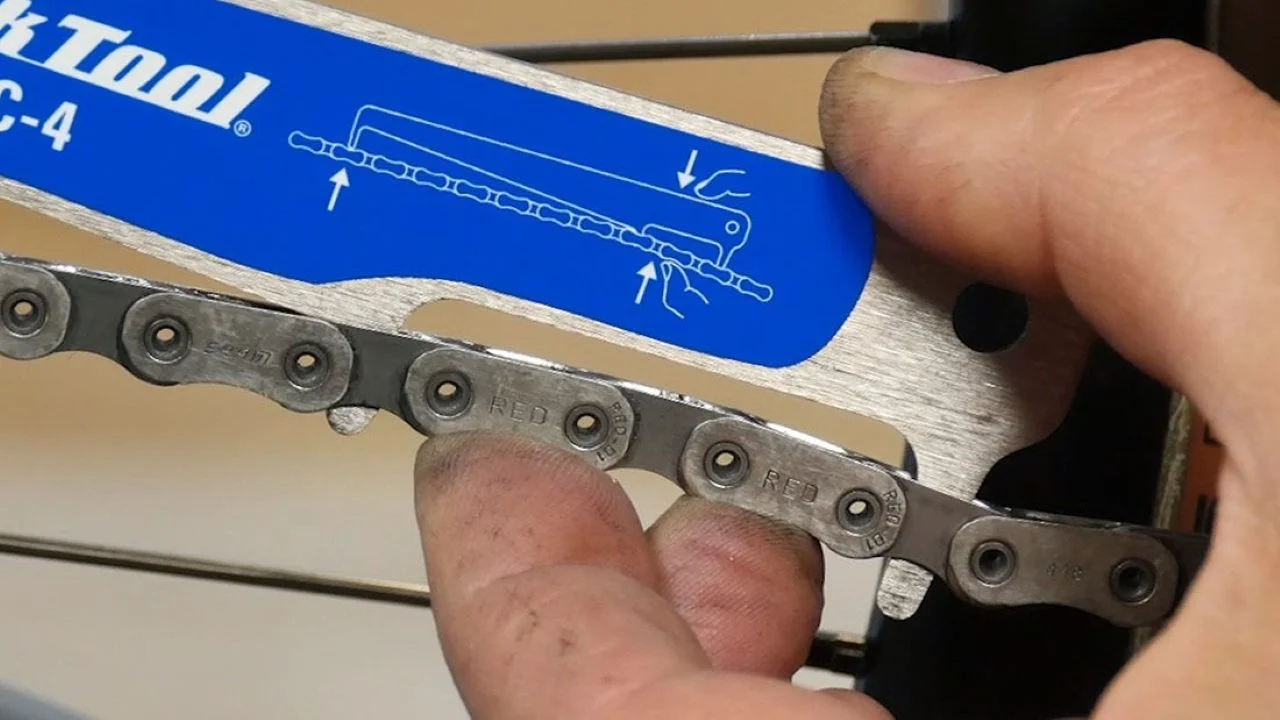
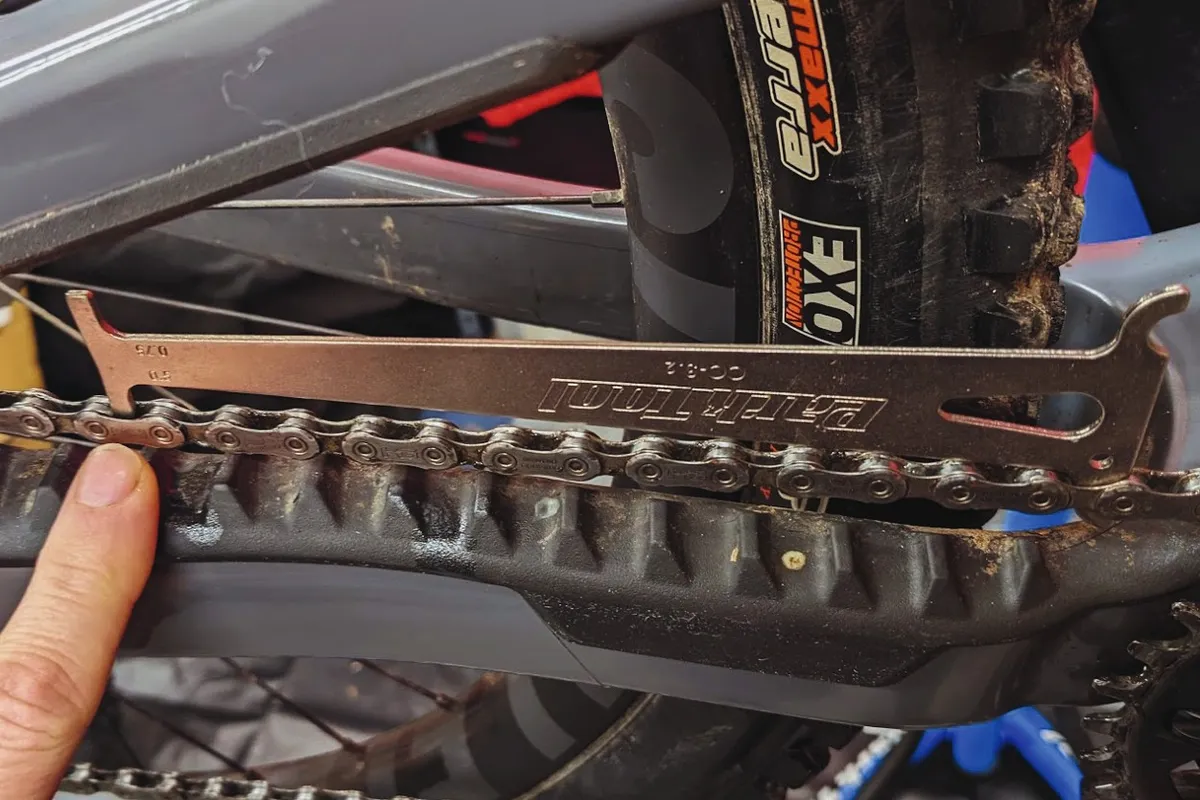
The best way to know when it's time to replace it is to use a chain checker tool. As a chain wears it "stretches" (in fact the pins and rollers wear down), which ruins the cassette and the front chainrings.
- 11-13 speed: Replace as soon as it reaches 0.5% stretch.
- 10-speed and below: You can wait until 0.75% stretch.
If you ride to 1.0% stretch, you'll have to replace the cassette as well, because a new chain won't mesh properly with worn teeth.
Cleaning and Lubing: Step by Step
A clean chain is an efficient chain. Dirt acts like sandpaper, wearing the links from the inside.
- Degreasing: Use a degreaser and a brush or a chain cleaning tool.
- Drying: Dry the chain with a rag. Water causes rust.
- Lubing: Apply one drop of oil to each roller while turning the pedals.
- Wiping off excess: Wait a couple of minutes, then wipe all the excess oil off the outside of the chain with a rag.
Frequently Asked Questions (FAQ)
Most Common Problems and How to Fix Them
Most problems with a bike chain can be recognised by the sound and the way the drivetrain behaves. Here's how to read them.
- Squeaking or crunching: the chain is dry or dirty, so clean and lube it.
- Skipping under load: most often a stretched chain or worn cassette, and sometimes a badly adjusted derailleur.
- Chain drops off the chainring: check the derailleur limit screw settings and the condition of the chainring.
- Stiff link: a stiff link can be freed by cleaning and flexing it, and if it stays stuck, the chain needs replacing.
- Snapped chain: often caused by an incorrectly fitted link or by shifting under heavy load.
Five Rules for a Longer Chain Life
- Lube the chain after every ride in rain or dust.
- Wipe off excess lube, because dirt sticks to a wet chain.
- Don't shift under full load.
- Measure chain stretch with a checker every few hundred kilometres.
- Replace the chain on time to save your cassette and chainrings.
When it's time for a new one, follow our guide to replacing a chain on a mountain bike, and check the condition of the whole drivetrain with our guide to bike component wear. A good bike chain is cheap, but a bad one costs a lot. If you need help, take a look at our bike service page.
Sources and Further Reading
- Bicycle chain (Wikipedia) – chain construction and types of connecting links
- Bicycle gearing (Wikipedia) – transmission and speed compatibility
Replace the chain when stretch reaches 0.5% on 11-speed and 12-speed systems, or 0.75% on systems with 10 speeds or fewer. Checking regularly with a chain checker tool keeps your cassette from being ruined.
It's not recommended. Chains for more speeds are narrower so they fit between the cassette cogs. Running a wider chain on a narrower cassette will cause poor shifting and skipping.
Proper lubing means applying one drop of oil to each roller of a clean, dry chain. After a few minutes, you must wipe off the excess oil with a rag so the outside of the chain doesn't attract dust.
Linkglide is Shimano technology designed specifically for electric bikes (e-bikes). These chains are sturdier and thicker so they can withstand the high torque of the motor and last up to three times longer than standard chains.
Further reading: you can find an overview of chain construction and types on the Wikipedia page about the bicycle chain.
Your Drivetrain Deserves Professional Care
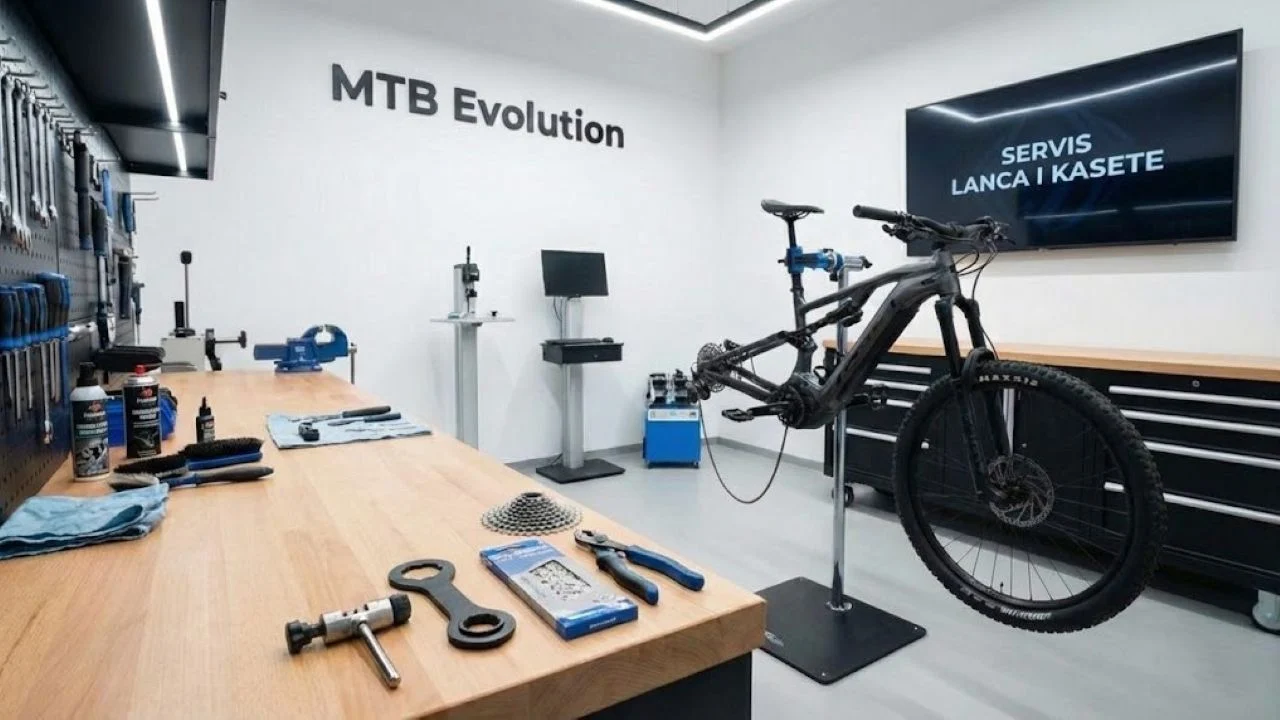
A snapped chain on the trail or skipping gears can be dangerous and expensive. At the MTB Evolution workshop we do precise stretch measurement, ultrasonic cleaning and professional lubing of your chain.
Book a Service at MTB Evolution