With all its jargon and techniques, cycling training can seem complicated. Should I do intervals? For how long? What exactly is a base?
The truth is that there are only a few key areas of cycling training you need to focus on, whether you want to finish your first Gran Fondo or raise your average speed on a local route.
In this guide we identify the 5 key pillars of training, explain why they matter and suggest specific workouts for each one. We consulted top coaches and scientists from the Wahoo team to keep the process simple for you.

Cycling is an endurance sport. Even track sprinters do base training to improve efficiency. Riding in Zone 2 increases the amount of oxygen you can deliver to your muscles and improves your body's ability to burn fat as fuel, which lowers the risk of bonking. Zone 2 training is the foundation of all cycling training, and our endurance training protocol shows how to build it.
Coaches recommend spending as much time as possible in Zone 2. It is the base you build everything else on.
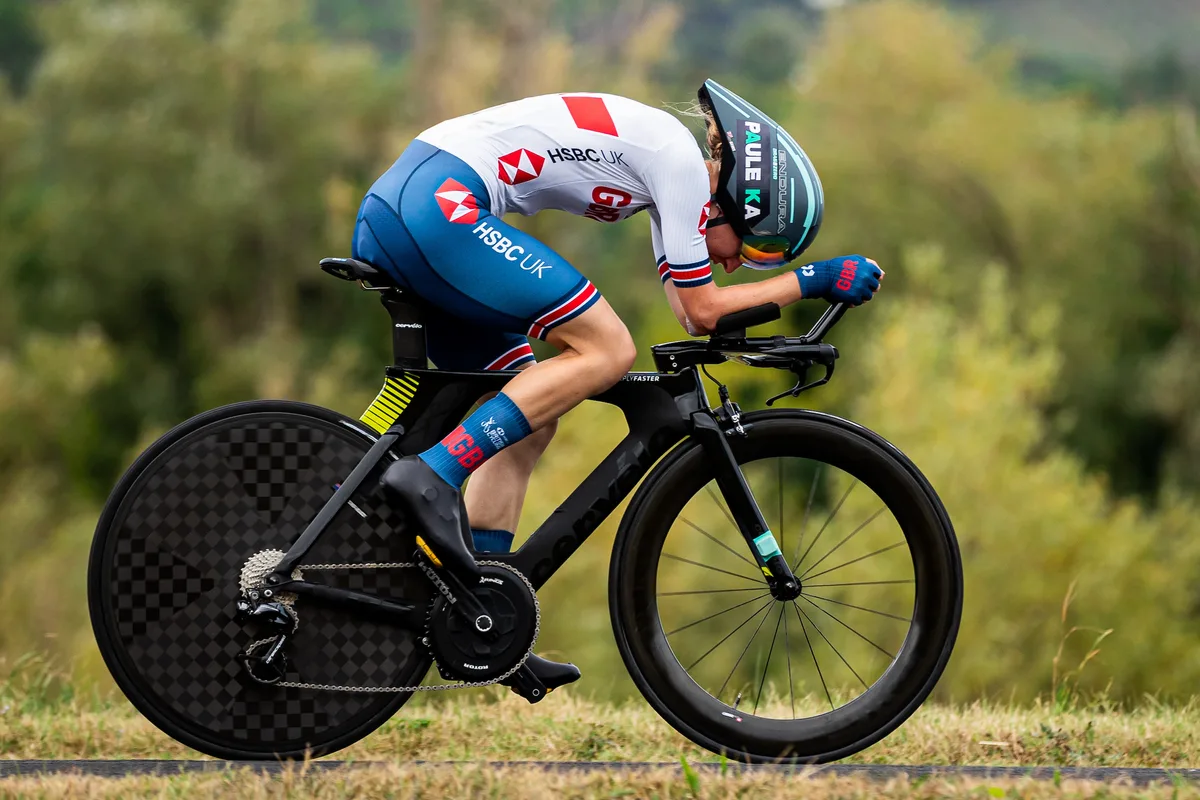
This is the ability to hold high watts for a long period. Even if you never race a time trial, you need it to stay with the group on fast rides or to get through long flat sections.
The key is raising your FTP (Functional Threshold Power). For this kind of FTP training, coaches recommend sweet spot training, a zone that delivers a lot of adaptation without putting too much stress on the body.

In Bosnia and Herzegovina it is hard to find a route without hills, so climbing ability is crucial. Matt Clinton, a hill climb champion, says: "If you're good on the hill, it means you have a good 'engine', and the engine is everything."
It all comes down to your power-to-weight ratio (W/kg). For long climbs use sweet spot, but for short, steep "walls" you need VO2 max power. Our interval training workout is a good way to practise it.

You don't have to be a racer to need a sprint. Explosiveness helps you accelerate out of a tight corner, clear short technical obstacles on the MTB, or simply beat your friends to the town sign.
This is a neuromuscular effort: you teach your body to recruit the maximum number of muscle fibres at once.
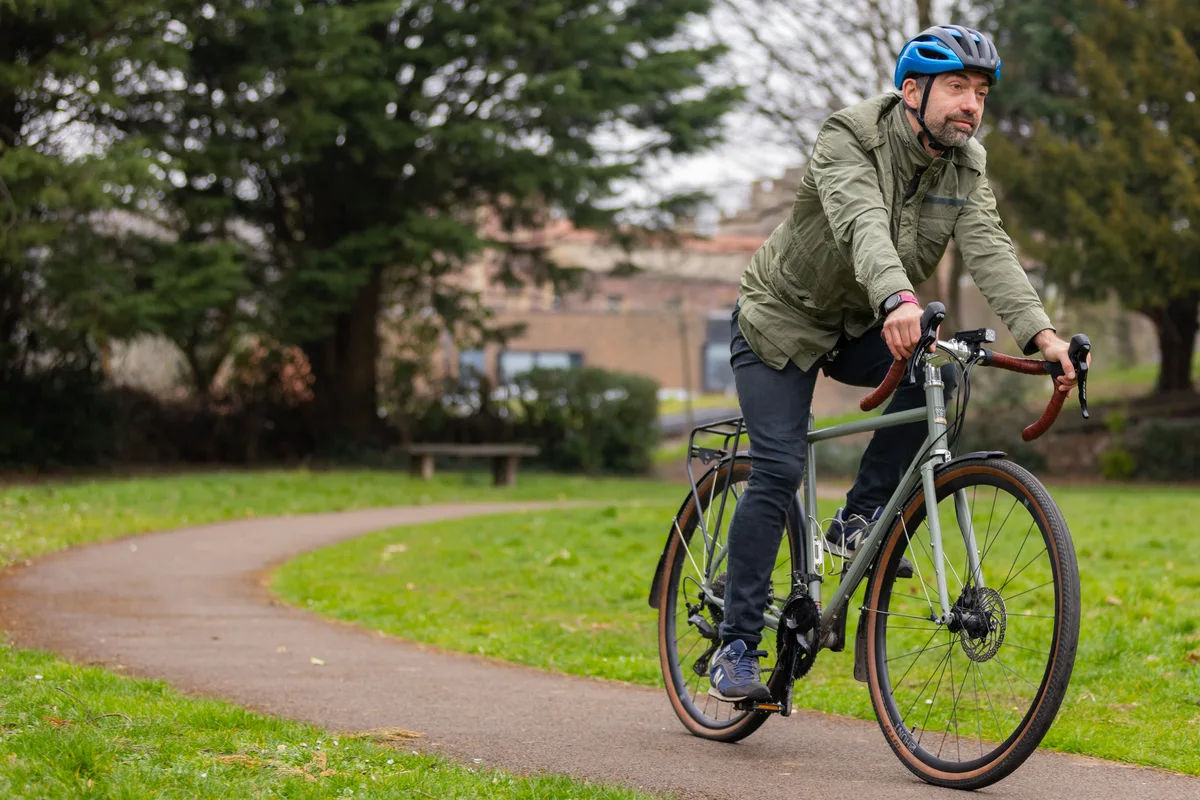
Recovery is an integral part of training. Easy Zone 1 rides help flush out the metabolic waste that builds up in your muscles during hard intervals. Our recovery protocol goes deeper into rest and regeneration.
The key mistake many riders make: they ride too fast on recovery days. Mac Cassin from the Wahoo team says it should be around 30-40% of your FTP.

PRO TIP: Balance Is Key
Don't try to do everything at once. In your cycling training, focus on one weakness in a cycle of 4-6 weeks. If you struggle on the hills, prioritise VO2 max intervals. If you lack stamina for long rides, focus on Zone 2.
How to Build a Weekly Plan From the Five Cycling Training Areas
Knowing the areas is not enough; you need to fit them into a week you can actually sustain. Here is a simple framework you can adapt to your own schedule.
- Two to three riding days: one longer ride in an easy zone, one quality session and one relaxed ride.
- Four to five days: add one threshold or VO2 max session and one recovery day.
- Always: at least one rest day a week, because progress happens during recovery.
Measuring Progress Across the Training Areas
The easiest way to see progress is through heart rate or power zones and a periodic test. Our guide to cycling training zones and the heart rate zone calculator will help, and the FTP test and base training guide shows how to set your baseline. If you are starting from scratch, introduce cycling training gradually: pick just one or two areas and add the others once your legs adapt. Have your bike checked before the season at a bike service. If you have any health concerns, consult a doctor before more intense training.
Sources and Further Reading
- Cycling power meter (Wikipedia) – measuring power on the bike
- Cycle sport (Wikipedia) – overview of cycling disciplines
Frequently Asked Questions (FAQ)
Need a Plan Tailored to You?
Whether you are a beginner or an advanced rider, our team can help you structure your training.
Contact Us