Protocol: Cycling Endurance Training and Base Fitness for Recreational Riders
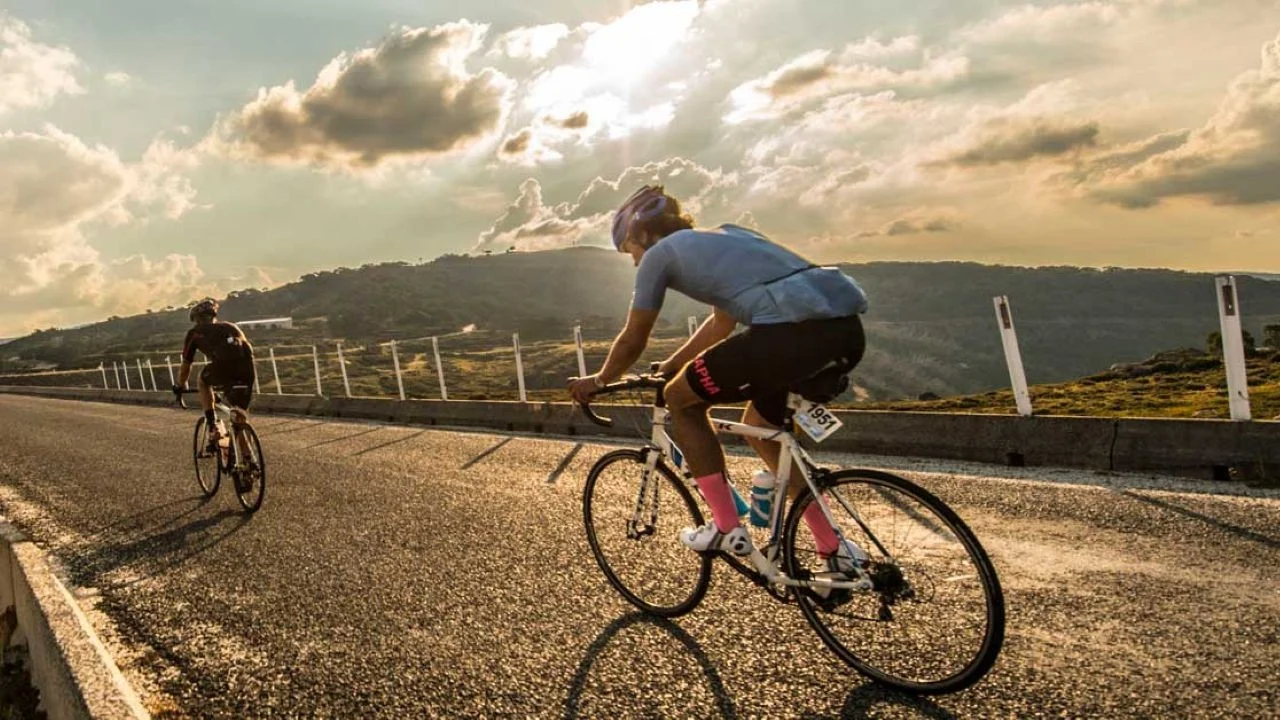
Goal: Turn occasional rides into proper cycling endurance training that increases your aerobic capacity.
This protocol introduces the concept of "base miles" and teaches recreational riders how to control intensity using the rate of perceived exertion (RPE), which is the key to building endurance without early fatigue.
Glossary of Key Terms
1. Structure: What a Session Looks Like
To get results from cycling endurance training, the most important thing is not to ride every session "as fast as possible". Consistency matters more than intensity.
| Phase | Duration | Intensity (RPE) | Goal |
|---|---|---|---|
| Warm-up | 15 min | 3/10 | Gradually raise muscle temperature. |
| Main set | 60 - 90 min | 4-5/10 | Hold a pace at which you can speak in full sentences (aerobic zone). |
| Cadence block | 3 x 5 min | 5/10 | Within the main set, spin faster (95+ RPM) to develop the neuromuscular connection. |
| Cool-down | 10 min | 2/10 | Easy spinning with no resistance to clear metabolic by-products. |
2. Biomechanics: The Efficiency of "Circular Pedalling"
Proper cycling endurance training involves technique, not just power:
3. Nutrition and Hydration
At this level, cycling endurance training sessions last longer than 60 minutes, which means you need fuel.
- Take in 30-60g of carbs per hour (banana, energy bar).
- Drink 500-750ml of fluid per hour.
4. Technical Protocol: Pre-Ride Check (M-Check)
Every cycling endurance training session starts with a safety check. Begin at the front axle and follow the bike's frame to the rear.
5. Common Mistakes That Slow Your Progress
Many riders think cycling endurance training is simply "stacking up mileage". Avoid these traps:
The biggest mistake is riding at a pace that is too hard to recover from, yet too easy to drive real progress (RPE 6-7). Stick strictly to Zone 2 (RPE 4-5) to keep your sessions effective.
Training plans for Tour de France riders are not made for recreational riders. Your body needs more time to recover. Focus on how you feel and on consistency.
Pro Tips for Recreational Riders (Level 2)
If the front of your knees hurts, your saddle is probably too low. If the back of your knees hurts, it is probably too high. Visit our service shop for a precise adjustment.
Learn to ride in the slipstream (drafting). It saves up to 30% of your energy, but it demands focus. Never overlap wheels!
Riding 1 hour three times a week beats riding 3 hours once a week. Your body loves regularity.