Key Takeaways: Types of Cycling
- Road cycling: Focused on speed and aerodynamics, ridden exclusively on asphalt.
- Mountain biking (MTB): Designed for unpaved terrain, split into XC, Enduro and Downhill.
- Urban/City: Ideal for green, fast transport without the stress of parking and traffic jams.
- Gravel and Touring: The ultimate blend of speed on dirt roads and the ability to handle multi-day trips.
- E-Bike: Electric assistance that makes climbs easier and lets every generation enjoy longer rides.
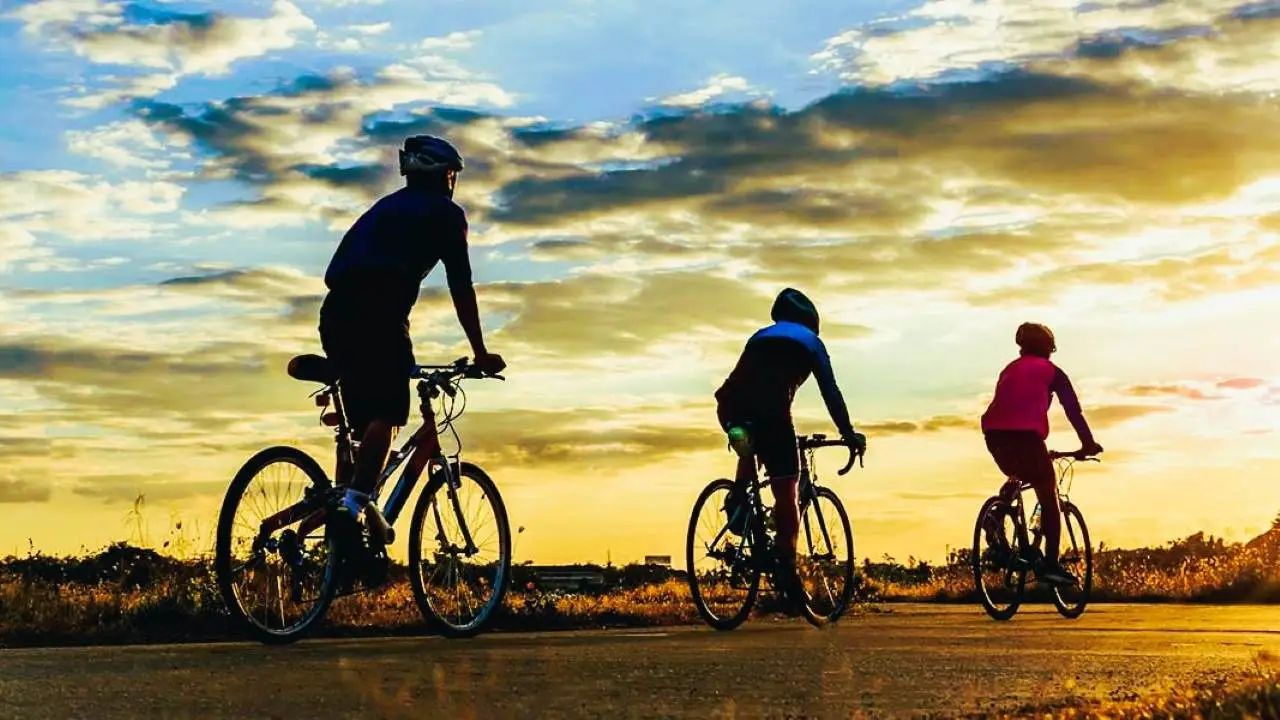
Cycling is one of the world's most popular sports and healthiest forms of recreation, so whether you ride at weekends to unwind, train for serious competition or commute through city traffic, the basic question is always the same: which of the types of cycling is right for you?
In this detailed guide we introduce the most important disciplines, the specific bikes used for each one, and the basic cycling gear without which safe riding is unthinkable. So buckle your helmet and let's take a ride through the amazing world on two wheels!
Main Types of Cycling: Which Riding Style Is Right for You?
Cycling splits into several completely different disciplines, and each one demands its own technique, a different type of bike and suitable equipment. These are the most popular types of cycling in our region:
🛣️ 1. Road Cycling – Aerodynamics and Speed
Road cycling takes place exclusively on paved roads. It can be purely recreational or highly competitive. Because of the long distances, it demands serious fitness and a focus on aerodynamics. The discipline includes classic road races (like the Tour de France), criteriums (races on closed city circuits) and time trials.
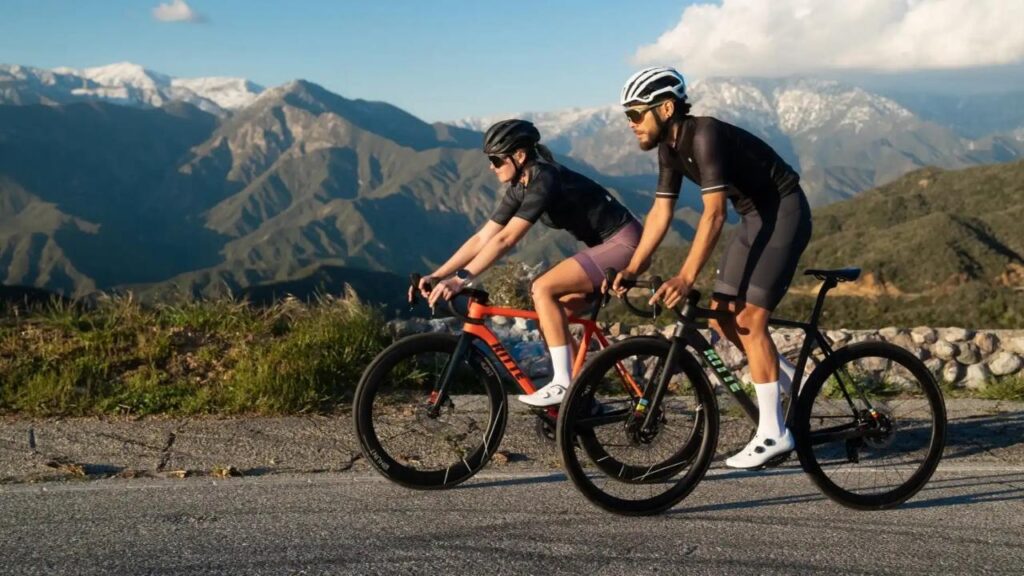
- Bikes: Very light, with aerodynamic lines, thin high-pressure tires and the recognizable curved handlebar (the so-called "ram's horns").
- Specific gear: Tight aerodynamic clothing, a lightweight helmet, sport glasses and stiff cycling shoes with SPD/Look pedals for maximum power transfer.
⛰️ 2. Mountain Biking (MTB) – Conquering Technical Trails
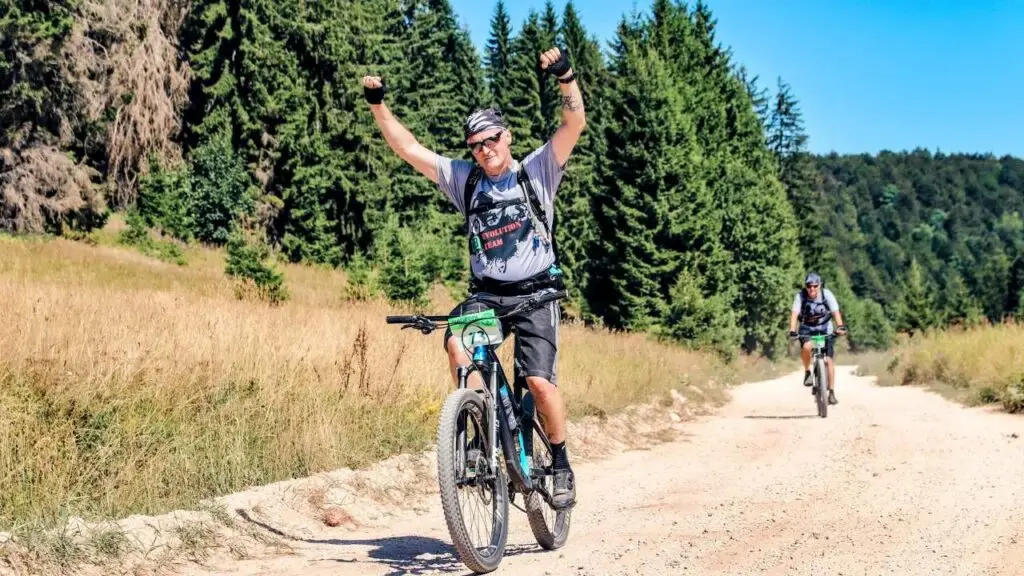
For nature lovers and adrenaline seekers, mountain biking is the absolute king. It takes place on unpaved terrain, forest trails, mud and rock. Because the sport is so broad, MTB is divided into several clear sub-disciplines:
- Cross-Country (XC): The focus is on endurance and speed on looped courses. Courses include both tough climbs and fast descents. XC bikes are light, usually with front suspension (100-120 mm of travel).
- Enduro: A competitive discipline that balances endurance with extreme descending. Riders pedal up the mountain on their own, and only the descent is timed. Read more in our Enduro guide.
- Downhill (DH): The focus is purely on extreme speed, jumps and technically clearing obstacles on the way down. These bikes have massive suspension (200 mm) and require a mandatory full-face helmet and body armor.
🏙️ 3. Urban and City Cycling – Green, Efficient Transport
City cycling is booming worldwide as the most efficient, free and eco-friendly way to get around. There are no traffic jams and no hunting for parking, and you get your daily workout along the way. If you ride on busy streets, read our cycling in traffic safety guide.
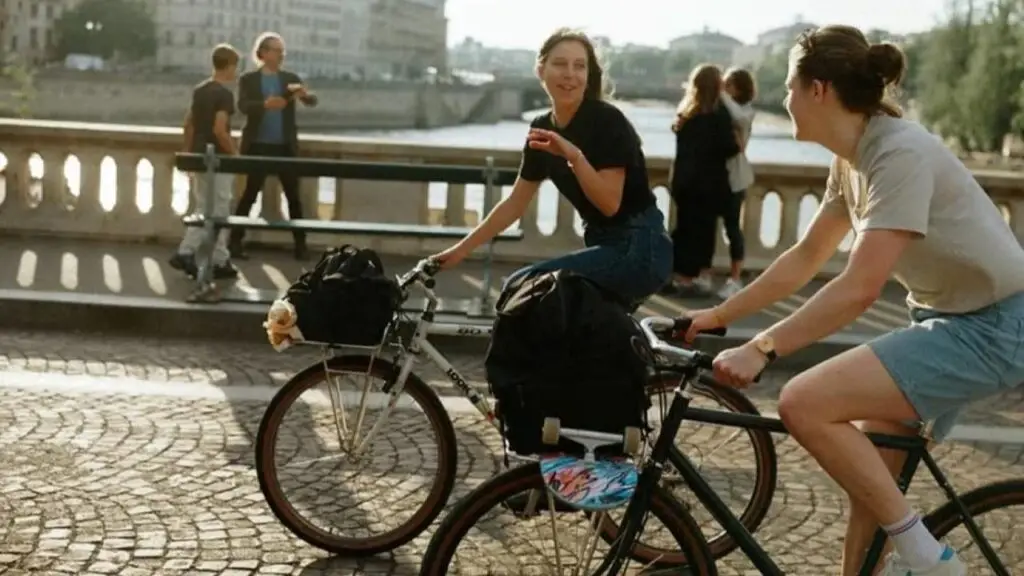
- Bikes: Designed for comfort, with an upright seating position, wider and softer saddles and practical extras.
- Gear: A bell, strong LED lights for night riding, fenders (so you don't get dirty on the way to work), a rear rack and a heavy-duty U-lock.
🚵♂️ 4. Gravel and Touring – The Ultimate Adventure Beyond the Asphalt
These disciplines are made for explorers and people who love to travel on two wheels.
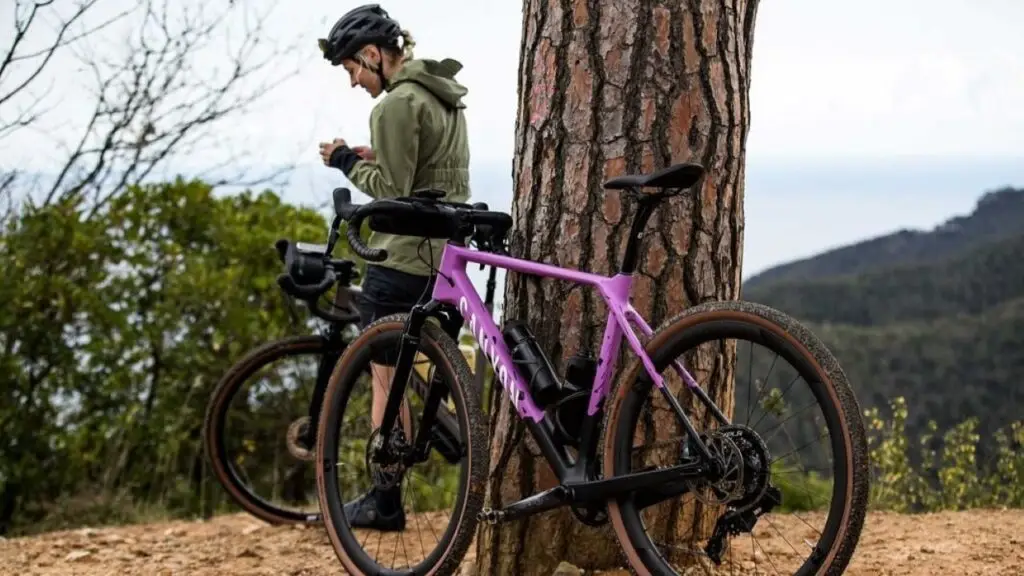
- Gravel cycling: A brilliant hybrid between a road bike and an MTB. Gravel bikes look like road bikes, but they have wider knobby tires and a more relaxed frame geometry, and they are built to blast along dirt roads and country lanes.
- Touring cycling: Long, multi-day trips with full luggage (tents, sleeping bags). Touring bikes are very sturdy, with steel frames and mounts for heavy panniers.
⚡ 5. Electric Bikes (E-Bikes) – Extra Power for Every Trail
Electric bikes have brought a real revolution to cycling. Whether it's a powerful e-MTB for tackling extreme mountain climbs or an electric city cruiser for getting to work without breaking a sweat, the motor and battery give you smart assistance exactly when you need it.
- Bikes: Today, e-bikes cover absolutely all of the categories above (road, MTB, city, gravel). They don't ride by themselves (they are not mopeds); they proportionally amplify the power of your pedaling.
- Who are they for? Everyone! From recreational riders who want longer, more relaxed rides, to experienced enduro riders who want more descents in a single day without waiting for a shuttle van. If you're just entering this world, be sure to read our detailed guide: E-bike for beginners.
Essential Cycling Gear: What Do You Really Need?
Whichever of these disciplines you choose, safety must always come first. The right cycling gear can literally save your life, and it makes riding far more comfortable too. Before every ride, run through our 10-minute pre-ride bike check.
- Helmet: By far the most important piece of equipment, and you never get on a bike without it. Always wear it fastened!
- Cycling glasses: They aren't just for sun; they protect your eyes from wind, dust, small stones and dangerous insects at speed.
- Gloves: They improve your grip on the handlebar, prevent blisters and absorb vibrations from the terrain. In a fall, your hands instinctively go forward first, so gloves will protect your palms.
- Cycling clothing: Bib shorts with a padded insert are a lifesaver on long rides, while jerseys made of technical fabrics wick sweat away efficiently.
- First-aid tools: A spare inner tube, a mini pump and a small multitool (a set of Allen keys) are a must in your backpack.
Conclusion – Why Is Cycling the Right Choice for You?
Cycling is a fantastically versatile sport that offers something for absolutely everyone, regardless of age and fitness. Regular riding dramatically improves your heart and lung function, doesn't strain your joints, and time outdoors in nature is the best known remedy for everyday stress.
We hope this guide to the different types of cycling helps you make the decision more easily and find the ideal riding style for yourself.
Frequently Asked Questions (FAQ)
Although both are ridden off the asphalt, an MTB has suspension, a flat handlebar and thicker tires, and it is made for rock and tough forest trails. A gravel bike has no suspension, has a curved handlebar (like a road bike) and is faster on dirt roads and flat earth tracks.
If speed and recreation are your goal, choose a road bike. If your bike is strictly for commuting, shopping and getting around, a city bike with a more upright seating position, lights and fenders is the best option.
The basics are a helmet, cycling glasses, gloves and cycling clothing such as bib shorts and a technical jersey. Carry a spare inner tube, a mini pump and a small multitool in your backpack.
No. E-bikes don't ride by themselves; they proportionally amplify the power of your pedaling. They are available in all categories: road, MTB, city and gravel.
Join Our Cycling Community!
Whether you love chasing down the road or the adrenaline of descents at Bike Park Evolution, you're welcome on our team. Discover new trails with us!
Become a member of MTB Evolution clubFurther reading: a general overview of cycling disciplines and history can be found on the Wikipedia page on cycling.