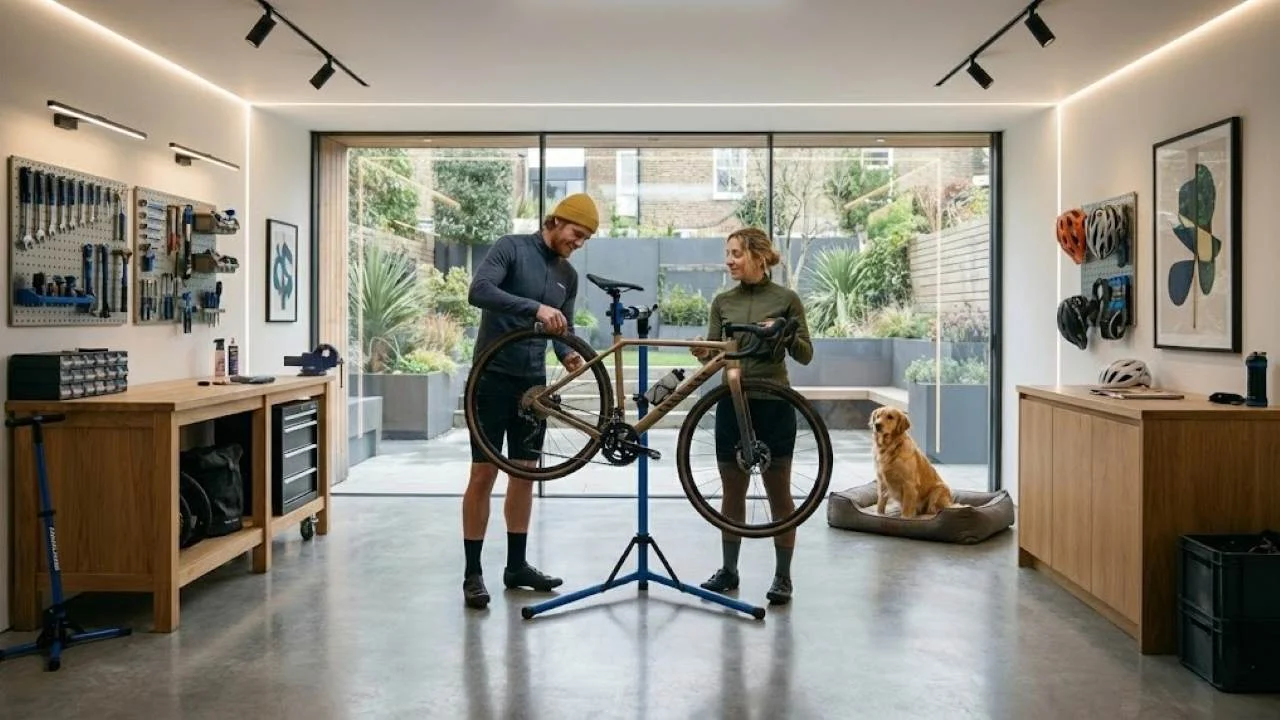
Spring bike maintenance is the key step before you turn the first pedals of the season. The sun is finally out and the snow on Trebević is melting, but your bike has spent the winter in a basement where cold and damp have left their mark.
In short:
- A proper spring tune-up has 6 steps: washing and inspection, drivetrain, wheels and tires, brakes, suspension and a final bolt check.
- Tires that sat deflated all winter can crack, and hydraulic brakes often go "soft".
- Use a dedicated chain lube, never WD-40, which is a degreaser.
- Manufacturers recommend a basic fork service every 50 hours of riding or once a year.
Why Spring Bike Maintenance Can't Be Skipped
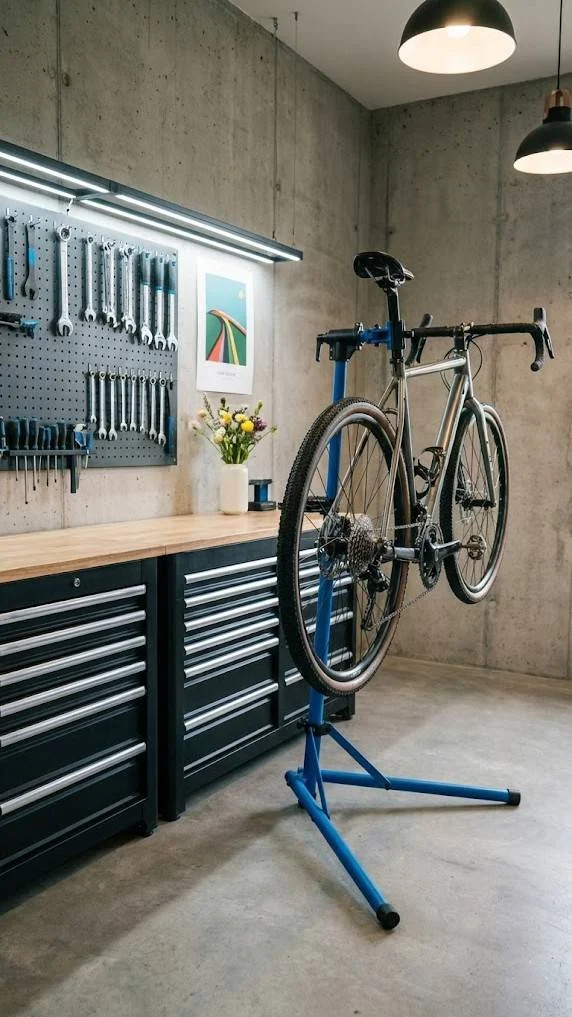
Winter hibernation leaves its mark. Pumping up the tires is not enough. A tire that sat deflated can have cracks, and brakes often go "soft". A quality spring tune-up at the MTB Evolution service solves problems that can put your safety at risk. If you want to prepare your bike for spring without guessing, the service packages show what a workshop covers.
Before you hit the trail, separate what you can do yourself from what needs a professional hand.
| Do it yourself | Needs a workshop |
|---|---|
| Washing the bike, inflating tires to the right pressure, cleaning and lubing the chain with a dedicated oil. | Bleeding hydraulic brakes, suspension service, wheel truing and derailleur adjustment. |
The biggest mistake riders make during spring bike maintenance is using WD-40 to lube the chain. It's not an oil, it's a degreaser!
— Marko Ristivojević, head mechanic
Suspension and Brakes After Winter
Your suspension has rubber seals that can harden over the winter. If you see oil on the fork "legs" or hear a strange air "slurping" sound, it's time for a service. Also check your brake pads: if you hear metal grinding on metal, it's already too late.
Spring Bike Maintenance in 6 Steps
1. Thorough Wash and Visual Inspection
Wash the bike with mild shampoo and a sponge, without a high-pressure jet, because it flushes grease out of the bearings. Inspect the frame, fork and wheels for cracks, dents and traces of oil. For the right way to wash a bike, read our guide to washing your bike at home.
2. Drivetrain Check
Check chain stretch, wear on the cassette and chainring teeth, and shifting precision. If the chain is stretched, replace it before it ruins the cassette. To learn how to measure it, see when to replace your chain and cassette.
3. Wheels and Tires
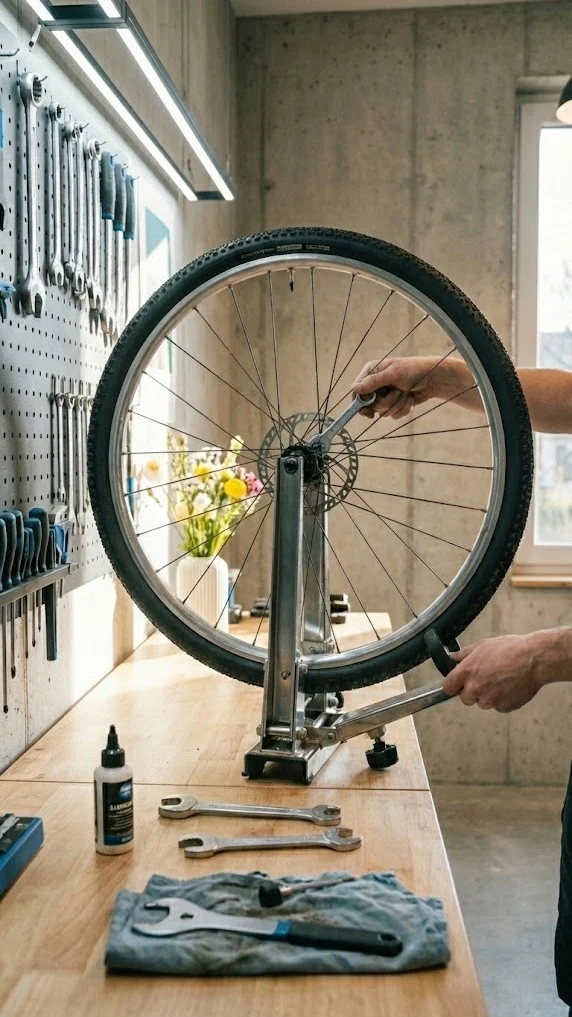
Spin the wheels and check that they are true, that no spokes are loose and that the tire sidewalls have no cracks. Set the pressure for your weight and terrain with the tire pressure calculator.
4. Brakes
Check the thickness of pads and rotors, lever travel and whether the brake "sinks". A soft lever on hydraulic brakes means air in the system and the need for bleeding, which is part of our hydraulic brake service.
5. Fork and Shock
Clean the stanchions, check for oil leaks and adjust the air pressure. If more than a year has passed since the last service, book one before the season. Our bike suspension service covers both forks and shocks.
6. Lubrication and Final Check
Lube the chain with a dedicated oil (see this guide to bike grease and oil), check bolt tightness on the stem, pedals and axles, then test braking and shifting before your first ride.
What Does Our Spring Check Include?
- Detailed inspection of the braking system and pads.
- Inspection and lubrication of the drivetrain (chain, cassette).
- Check of pressure and condition of the outer tires.
- "M-Check" safety inspection of all bolts (stem, pedals, axles).
E-bikes need extra steps, from battery diagnostics to software updates: read about preparing an e-bike for the spring season. General guidelines on bike safety checks are also published by Park Tool.
Don't risk it on your first ride! Booking takes minutes, and proper spring bike maintenance guarantees a trouble-free season.
Book your spring checkFrequently Asked Questions
Why does my brake lever pull all the way to the bar?
Most often it's air in the hydraulic system or a slack cable, which happens when a bike sits unused for a long time. The brakes need bleeding.
Can I use motor oil on my chain?
We don't recommend it. Motor oils are thick and sticky, they collect dust and mud and form a grinding paste that wears out chainrings. Use a dedicated oil for dry or wet conditions.
How often should suspension be serviced?
Manufacturers such as Fox and RockShox recommend a basic service every 50 hours of riding or once a year, whichever comes first.