MTB technology 2026 brings the changes we have all been waiting for. Instead of guessing what the future holds, we asked our team what they want to see. From the end of the rear derailleur's reign to the return of simple hardtails (but with huge wheels), this is the tech we are hoping for.
In short:
- The rear derailleur is the most criticized part of the bike, and the alternatives are sealed gear systems like the Pinion drivetrain, plus belts instead of chains.
- SRAM Transmission systems cost up to 700 EUR for top-end models, so riders are looking for cheaper solutions.
- 2026 is expected to bring a return of hardtails, with 32-inch wheels from niche brands.
- A hardtail under 1,000 EUR can now have an air fork, hydraulic brakes and a 1x drivetrain.


1. The Death of the Rear Derailleur (Finally?)
Spend half an hour online (or one day on a rocky trail) and you will see how many riders hate the rear derailleur. It is the part of the bike that gets hit most often, bends and breaks, and repairs are expensive. If yours is already shifting badly, check whether the derailleur hanger is the culprit.
SRAM does a great job with its robust Transmission systems, but prices are still high (up to 700€ for top-end models). The solution the industry has been pushing for years is the gearbox.
In 2025 we saw a huge jump in the use of Pinion systems and Gates carbon belts at the Downhill (DH) World Cup. Teams such as Atherton and Intense bet on this technology.
"Financial incentives and World Cup racing are pushing this technology forward. I would love to see it move from overpriced prototypes to bikes that us mere mortals can buy. Imagine riding without a rattling chain and a derailleur that smacks into rocks."
— Marko Ristivojević, Bosch eBike Expert and Master Bike Mechanic


2. The Return of the Hardtail and... 32-Inch Wheels?!
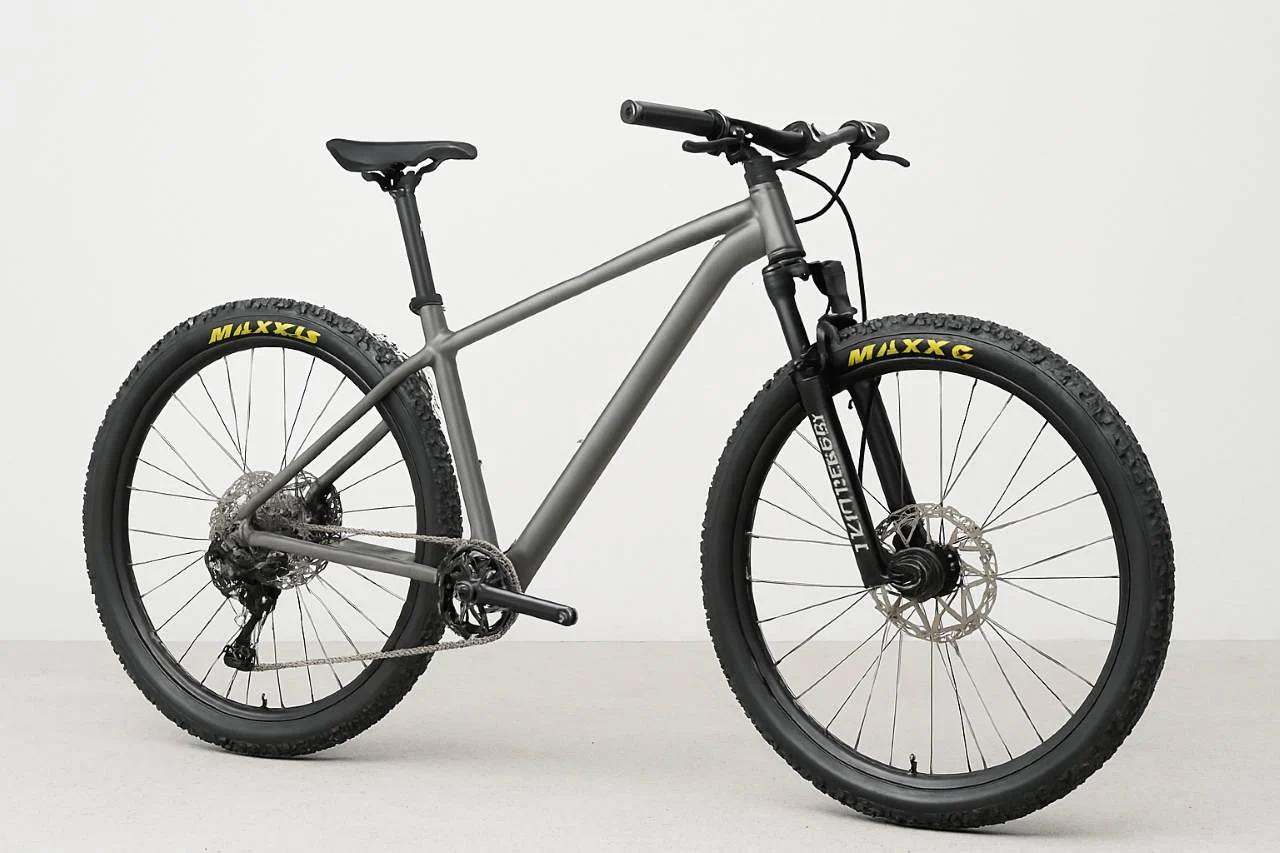
Yes, you read that right. While we are all busy with full-suspension bikes, a quiet revolution is on the horizon. In 2026 we could see the return of top-end aluminum XC hardtails, but with huge 32-inch wheels.
The arguments that made 29ers dominant (better roll-over, holding speed) apply even more to 32s. For long, epic rides on gravel roads and mellow trails, this could be a real "kilometer-eating" machine. Aluminum makes the most sense here: it is lighter than steel and less delicate than carbon.

3. Automatic Shifting (The E-Bike Revolution)
SRAM, Shimano and Bosch already have their own systems. After testing e-bikes with automatic shifting, we are convinced this is the future, especially for e-MTB. Of everything in MTB technology 2026, it is the change you will feel on the very first climb.
Picture a technical climb full of roots. Instead of thinking about gears, the system recognizes your cadence and shifts into the optimal ratio by itself. That frees your brain to focus only on your line and your balance.

4. Respect for "Cheap" Bikes
You do not have to spend 5,000€ to have fun. Entry-level models are better than ever. The days of bad geometry and useless brakes are over. Not sure which bike suits you? Our guide on how to choose the right bike can help.
Today, a hardtail bike under 1,000€ can have an air fork, hydraulic brakes and a 1x drivetrain. These are the "gateway" bikes that pull new people into the sport. In 2026 we want brands (and the media) to make more noise about these models, because they are the foundation of cycling community growth.
What MTB technology 2026 means for service and maintenance
Every new technology raises new questions for the mechanic. When we look at MTB technology 2026, maintenance will partly change and partly stay the same.
- Gearbox: fewer exposed parts means fewer impact failures, but servicing requires specific tools and oil.
- Belt instead of chain: less lubing and cleaning, but it needs a compatible frame and exact tensioning.
- Automatic shifting: electronics and sensors need software updates and a battery check.
- Classic drivetrain: still the most common, so regular chain and cassette maintenance remains the foundation.
If you ride an e-bike with a Bosch system, our Bosch eBike service covers diagnostics and updates, and you can reserve a slot through bike service booking.
Will classic derailleurs disappear?
Unlikely overnight. Most riders still run a classic drivetrain, so it is more realistic to expect MTB technology 2026 to bring choice, not replacement. Until that happens, a well-maintained chain extends the life of the whole drivetrain; read about component wear on your bike and the best chains and cassettes 2026. Every drivetrain, including e-bikes, is looked after by our bike service.
Sources and Further Reading
- Bicycle gearing (Wikipedia) – types of bicycle transmissions
- Derailleur gears (Wikipedia) – how rear derailleurs work
What do you think? Would you ride a bike with automatic shifting or 32-inch wheels? Share your opinion with us at the club.
Get in touchFrequently Asked Questions
What is a "gearbox" drivetrain?
It is a system of gears enclosed in a housing in the middle of the frame (at the drivetrain), similar to a car's gearbox. It replaces the delicate external derailleur and cassette.
Are 32-inch wheels real?
For now they are at the experimental stage and with niche brands. Although they look huge, they offer incredible stability and speed on flat terrain.
Is it worth waiting for 2026 to buy a bike?
No! Technology moves forward, but today's bikes are fantastic. The best bike is the one you ride today, not the one you might buy in two years.