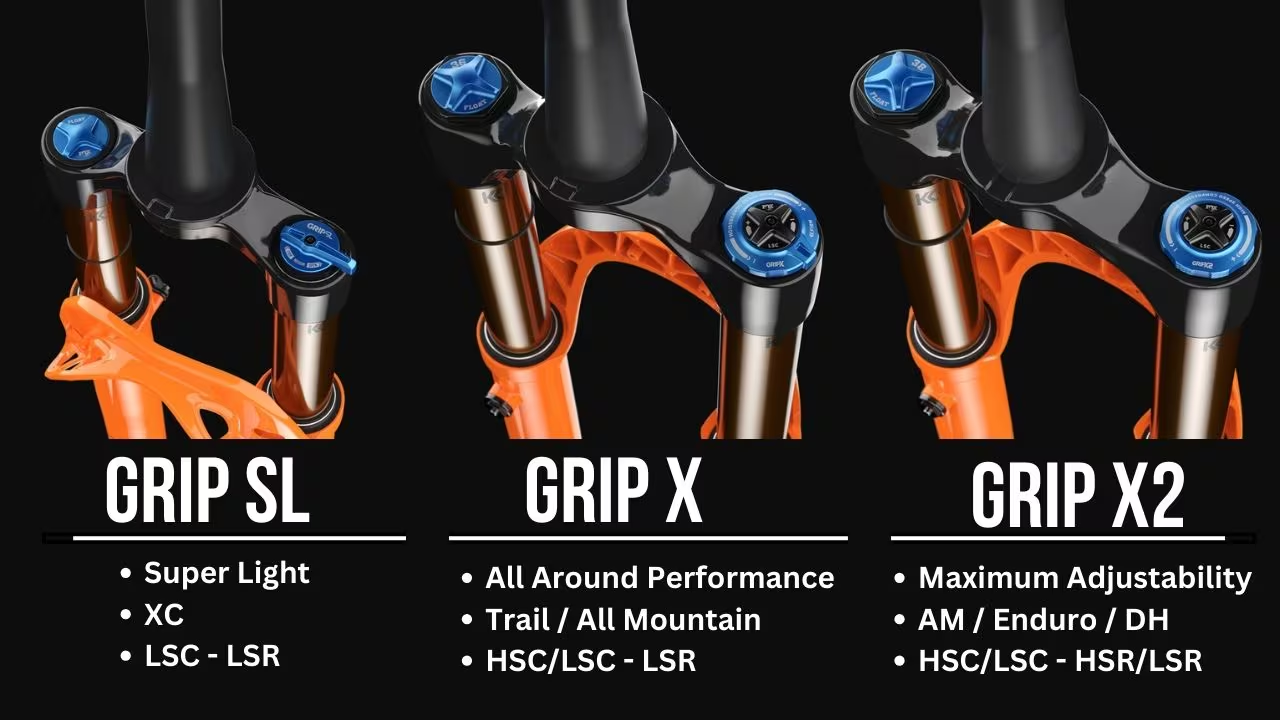
A good FOX suspension setup is the difference between a bike that fights you and one that feels glued to the trail. FOX technology allows detailed adjustments for different terrain and riding styles, and with rebound and compression dialed in, riding becomes safer, more comfortable and faster. In this guide I explain the four damping circuits and the order in which we adjust them in the workshop.
In short:
- FOX forks and shocks have up to four damping circuits: low-speed and high-speed rebound, plus low-speed and high-speed compression.
- Set your SAG and air pressure before touching the damping, because without a good base no click will help.
- Change only one setting at a time, one click at a time, and test on the same section of trail.
- Rebound that is too fast throws you forward, while rebound that is too slow makes the suspension "pack down" on a series of hits.

FOX suspension setup: what is rebound?
Rebound damping controls how fast the suspension returns after it has been compressed. It is crucial for wheel stability and constant contact with the ground, especially when the terrain changes quickly.
Low-speed rebound
- Works during slow movements, on climbs and technical transitions.
- Too open: the bike bounces and you lose control while pedaling.
- Too closed: the ride feels sluggish and uncomfortable.
High-speed rebound
- Acts after fast hits: drops, jumps and sharp rocks.
- When set well, it prevents the bike from kicking you out after bigger impacts and keeps you in control.
Compression on FOX forks and shocks
Compression damping determines how quickly the suspension reacts when the wheel hits an obstacle. It directly affects how firm the bike feels, how much control you have and how efficiently you pedal.
Low-speed compression
- Works while braking, pedaling and riding through berms.
- More compression: a firmer response and less unwanted bobbing.
- Too closed: comfort on rough ground drops dramatically.
High-speed compression
- Kicks in on sudden, hard impacts.
- When set well, it protects against harsh bottom-out and keeps the bike stable at high speed.
| Setting | When it works | Symptom of a wrong setting |
|---|---|---|
| Low-speed rebound | Climbs, slow movements | Bouncing or a sluggish ride |
| High-speed rebound | After drops and jumps | Kicking back or "packing down" on a series of hits |
| Low-speed compression | Braking, pedaling, berms | Bobbing or a harsh ride |
| High-speed compression | Sudden, hard impacts | Using all the travel or sharp hits to the hands |
Before damping: SAG and air pressure
The most common mistake is turning the damping dials on a fork or shock that doesn't have the right SAG. Set the pressure first so the sag falls within the recommended range, and only then move on to rebound and compression. Skip this step and even the best FOX suspension setup will feel wrong.
The step-by-step SAG procedure is described in our guide to MTB suspension tuning, and you can get starting values for your weight in the MTB suspension calculator.
How to dial in your FOX in 5 steps
- Base: start from the factory recommendations and the values from the suspension calculator.
- Test: try the suspension on a trail you know well, so you can feel the difference.
- Adjust carefully: change damping in small steps, always one click at a time, then repeat the test.
- Trust your feel: a rebound that is too fast and throws you forward, or a response that is too harsh, means the setup is off.
- Adapt to your style: fine-tune for the terrain and your riding style (XC, enduro, aggressive trail).
Official pressure recommendations and click counts for each model can be found in the manuals on the FOX Racing Shox website.
Never change rebound and compression at the same time. If you turn several dials at once and the bike starts behaving strangely, you won't know which change caused it. Test one thing at a time on the same section of trail.
— Marko Ristivojević
Conclusion: FOX suspension takes patience
Properly tuned FOX suspension gives you the ideal balance of control, speed and comfort. Understanding low-speed and high-speed rebound and compression, and testing click by click, is the key to getting the most out of your bike.
Need help with setup or service? If you're not sure how to set up your fork or shock, or it needs maintenance, get in touch with the Evolution suspension service.
Book an appointmentFrequently asked questions about FOX shocks
What is rebound on a FOX fork or shock?
Rebound controls the speed at which the suspension returns to its original position after a hit. It is decisive for tire contact with the ground and for rider stability.
What is the difference between low-speed and high-speed rebound?
Low-speed rebound works during slow movements, on climbs and over smaller obstacles. High-speed rebound kicks in after fast, hard hits such as jumps, drops and rock gardens.
How do I set compression on a FOX fork or shock?
Low-speed compression controls slow forces such as braking and standing up on the pedals, while high-speed compression softens sudden impacts. Adjust in small steps, click by click, to suit the trail and your riding style.