Clipless vs Flat Pedals: Which Is the Better Choice for MTB?
One of the most common dilemmas we hear in our Small Workshop is clipless vs flat pedals: which one should you choose? The answer depends on your riding style, the terrain you ride and your experience level. Whether you're getting ready for local trails or planning a visit to Bike Park Evolution on Ilinjača, your pedal choice directly shapes how much control you have over the bike.
In short:
- Clip-in pedals (clipless) offer maximum power transfer efficiency and full control, but they take some technical getting used to.
- Flat pedals give you freedom, an easier learning curve and confidence when you need to react fast, which makes them ideal for technical jumps.
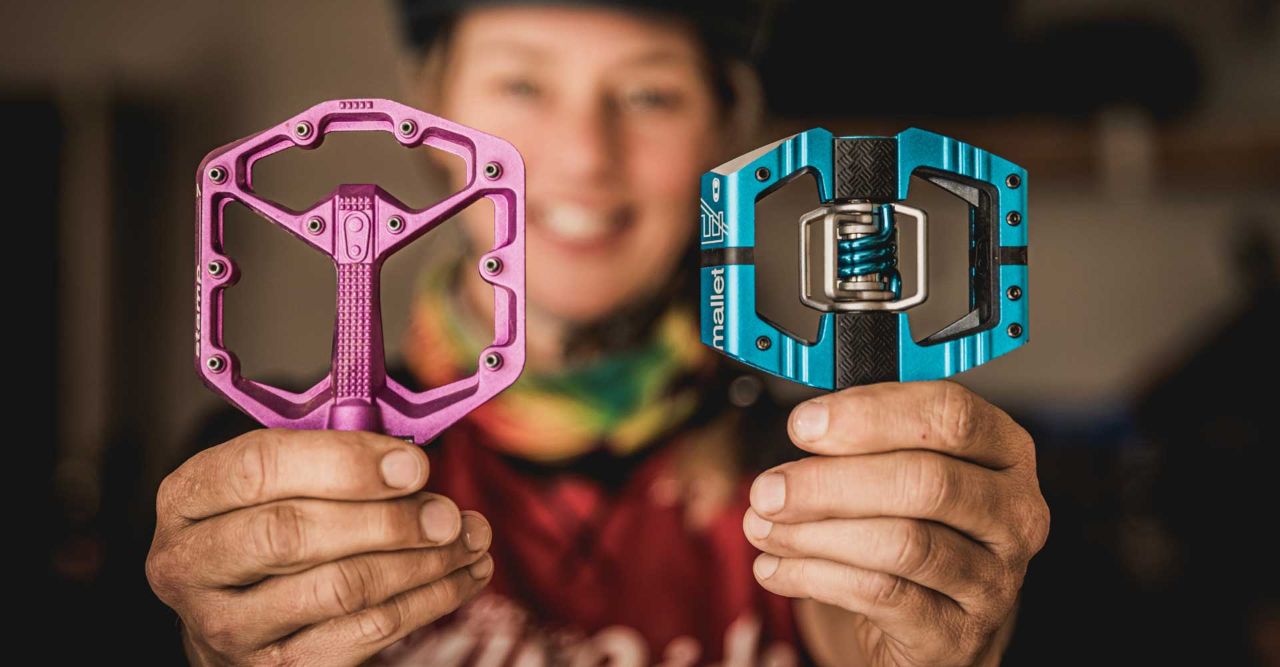
- Hybrid pedals like the Crankbrothers Mallet DH are the ultimate compromise for enduro and downhill riders, combining the stability of a platform with the security of a clip-in system.
What are clipless pedals?
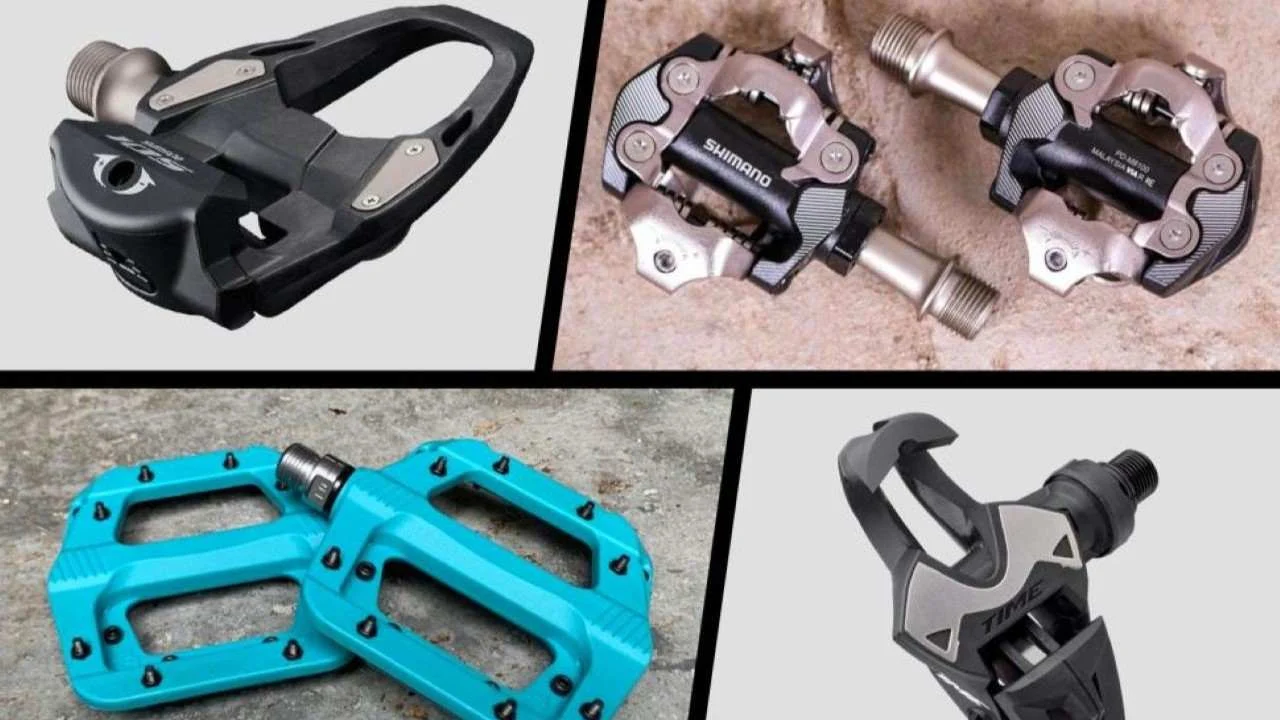
Despite what the name suggests, clipless pedals let your cycling shoe mechanically "lock" onto the pedal using a small metal plate called a cleat. This creates a direct, solid connection between rider and bike. In the clipless vs flat pedals comparison, this is the more technical of the two systems.
✅ Pros of clipless pedals:
- More efficient power transfer through the full pedal stroke.
- Much better bike control on technical climbs.
- No foot slipping at high cadence.
❌ Cons of clipless pedals:
- They require a learning period to get used to unclipping.
- Less freedom for small foot movements.
- You have to buy and wear dedicated shoes.
Flat pedals: maximum freedom under your feet
Flat pedals are the classic, well-known system, ideal for riding with no locking at all. They feature sharp pins for extra grip and are paired with MTB shoes that have a soft, flat sole designed to "stick" to the pedal.
✅ Pros of flat pedals:
- Quick reactions and an instinctive foot-out in sketchy situations.
- Far easier to learn basic techniques and improve your balance.
- More freedom in your choice of riding shoes.
❌ Cons of flat pedals:
- Less efficient on long climbs.
- Higher risk of the pedal hitting your shin after a slip (a so-called pedal strike).
- You need better technique to keep your feet on during jumps, such as the bunny hop.
Crankbrothers Mallet DH: a hybrid for all terrain
If you're wondering whether there's a middle ground in the clipless vs flat pedals debate, there is. Pedals like the Mallet DH are a favorite among many enduro and downhill riders because they combine a clipless system with the huge platform of a flat pedal. For many riders, this makes them some of the best MTB pedals for rough, technical riding. If you want to dig into pedal types and thread standards, check our guide to flat, SPD and thread standards.
- System and platform: Secure engagement with a large standing surface.
- Precision: Precise, mechanical clip-in action.
- Adjustability: Adjustable pins and an optimized Q-factor for a perfect stance on the bike.
- Durability: Easy mud clearing and exceptional toughness.
"As a Master Bike Mechanic, my advice for riders who prefer enduro, bike parks or very technical descents is clear: you don't have to choose between being fully locked in and being free. Models like the Mallet DH are the best compromise the industry currently offers."
– Marko Ristivojević, Master Bike Mechanic & Trailforks Admin❓ Frequently Asked Questions (FAQ)
Five questions before you buy pedals
If you're still hesitating on the clipless vs flat pedals question, answer these honestly. They will show you what you really need, no matter what other riders use.
- Where do you ride most? Long rides and climbs favor clip-ins, while technical descents and bike park riding often go with flats.
- How much does efficiency matter to you? If you train or race marathons, the difference in power transfer is real.
- How do you feel about crashing? If you're nervous about staying clipped in, start with flat pedals.
- Do you have a budget for shoes? Clip-in pedals need special shoes with cleats, while flat pedals work best with shoes that have a soft, flat sole.
- How much time do you have to learn? Every system takes a few rides to feel natural.
Pedal maintenance
Whichever side of clipless vs flat pedals you land on, pedals need regular servicing. Bearings wear out, cleats wear down and pins on flat pedals bend after impacts. Every few months, check the axle for play, tighten the pins and clean the mud out of the mechanism. When you replace cleats, make sure to fit them in the same position so your foot keeps its familiar feel. For a broader overview of what to inspect, see our bike component wear guide.
Switching from one system to another
Many riders move from flats to clip-ins and back again over the years, so the clipless vs flat pedals choice isn't permanent. If you're switching to clip-ins, try them for the first time on flat ground or on a trainer, and set the mechanism tension to the lightest setting. If you're going back to flat pedals for MTB riding, give yourself a few rides to get used to the fact that your foot has to hold its position on its own, without locking in. For help choosing and fitting pedals, feel free to contact us at the workshop.
Sources and further reading
- Clipless pedals (Wikipedia) – an overview of pedal systems, history and cleat types