I'm a professional mechanic, and in this guide we reveal the best tire levers for your bike. The first job most riders learn is fixing a flat, and the most important tool in that process is the humble lever. I've changed hundreds of tires, and believe me, your choice of tool makes a difference.
In short:
- The best tire levers are made of rigid plastic or composite with a metal core, while pure metal can damage the rim.
- A standard length of 10 to 12 cm is enough for most riders.
- Carry at least two levers, because cheap plastic can snap in cold weather.
- With good technique, and the tire bead sitting in the center channel of the rim, you often don't need levers at all.

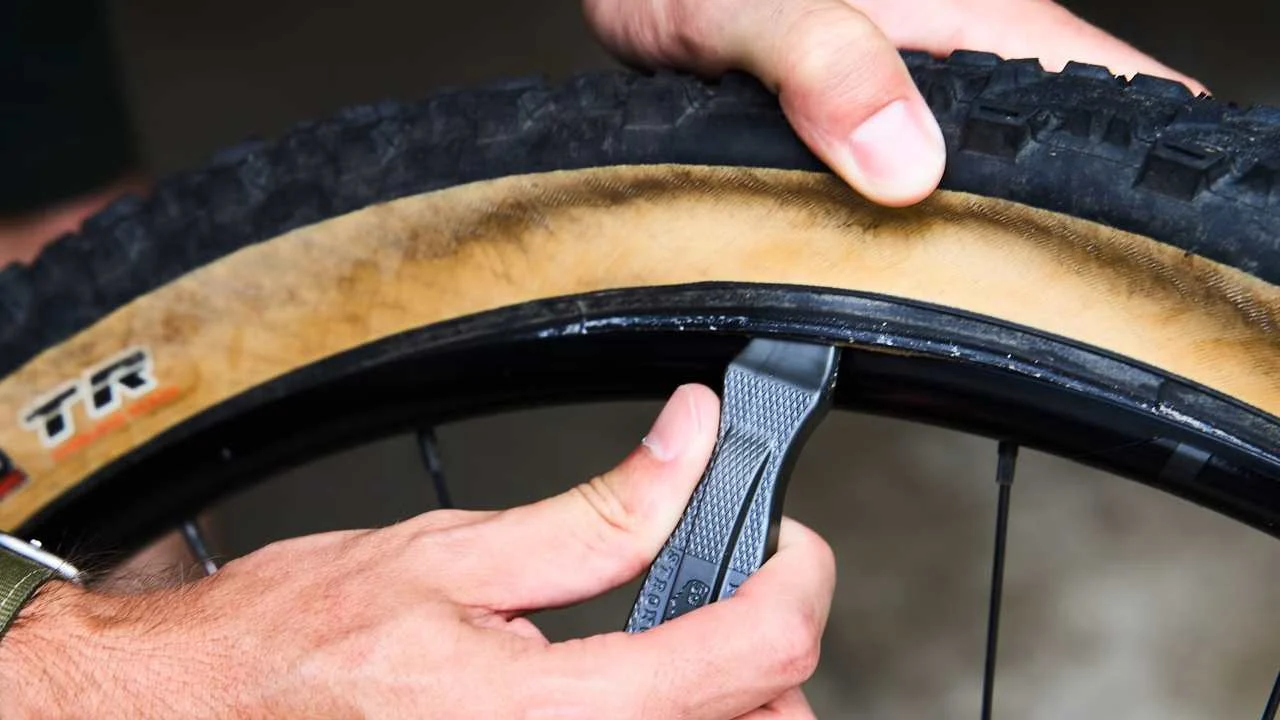
Shape Is Key: Hook or Spoon?
When you're shopping for the best tire levers, you'll find that shape varies drastically. There are small, stubby levers with aggressive hooks (like those from Lezyne) and wedge-shaped ones.
Spoon-shaped levers (wider at the base, thinner at the neck) are excellent for sliding under the tire bead, but they can be uncomfortable on your fingers if the tire is stubborn.

Material: What Are the Best Tire Levers Made Of?
Levers range from ultra-rigid plastic, through composites with a metal core, to pure metal. In the plastic vs metal tire levers debate, here is what you need to know when choosing:
- Flexible plastic: Gives good feedback, but it can bend on stiff tires.
- Metal: Widely considered unnecessary for bikes. You risk scratching or permanently damaging carbon or aluminum rims.
- Composite / metal core: The sweet spot. They offer the strength of metal without the risk of damaging the rim.
"In my experience, the best tire levers are always made of rigid plastic or composite. Metal levers in the hands of an amateur are the fastest way to ruin an expensive tubeless tape or the rim itself."
— Marko Ristivojević, Bosch eBike Expert and Master Bike Mechanic

Gadgets and Add-Ons: Useful or a Nuisance?
One of the most common add-ons is a spoke hook on the opposite end of the lever. In theory, it holds the tire while you grab the second lever. In practice? It often tightens the tire so much that it's impossible to get the second lever in.
There are also more advanced tools like the Crankbrothers Speedier lever, which protects your knuckles, or the Smart Lever with a hinge. If you struggle to get tires off, these tools offer a real mechanical advantage.

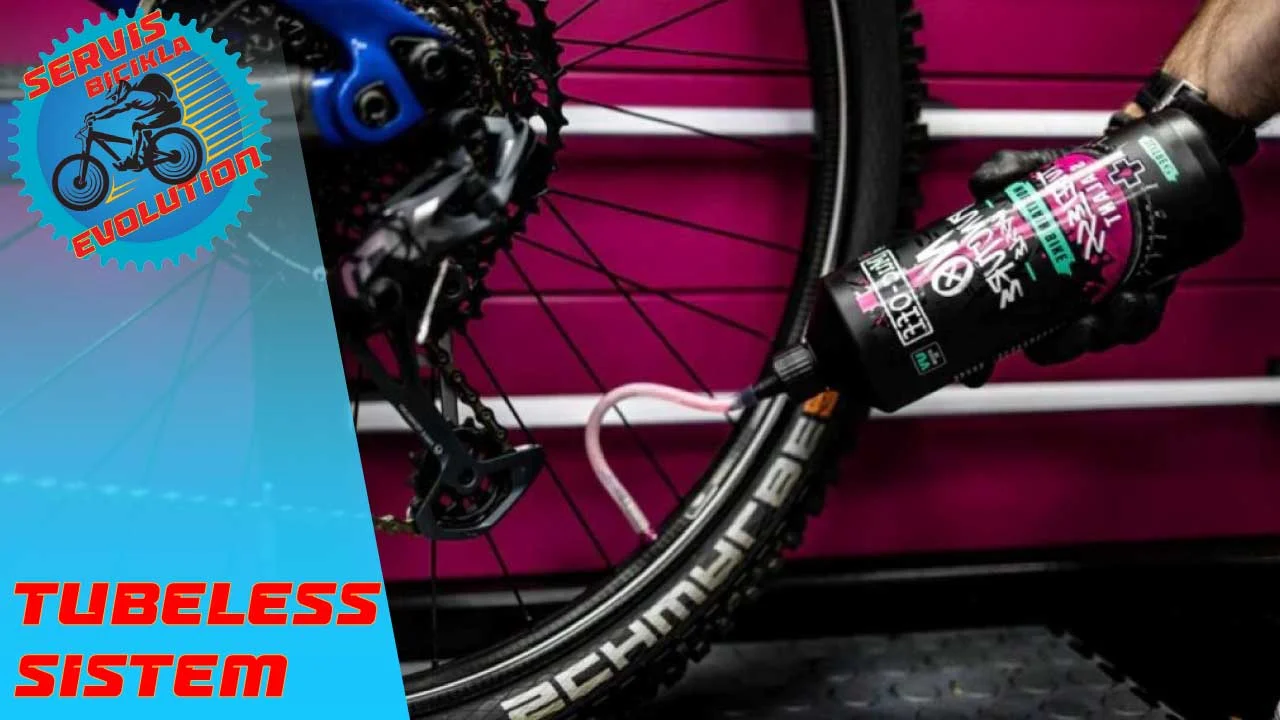
One, Two or Three?
Some tools, like the CushCore Bead Dropper, come as a single massive lever. The idea is that you get enough power and grip to do everything with one hand. These may be the best tire levers when you're working with heavy enduro/downhill tires and inserts.
On the other hand, classic sets (Park Tool, Muc-Off) come as a pair or a trio, letting you "unlock" the tire step by step. If you're building your own tool kit, our home bike workshop setup guide shows what else is worth having.
How to Use Tire Levers Without Damaging the Rim or Tube
Even the best tire levers can do damage if used incorrectly. Here is the procedure we use in the workshop.
- Let all the air out and push the tire bead into the center channel of the rim, since that's where you get the most slack.
- Slide the first lever under the tire bead, away from the valve, and hook it onto a spoke.
- With the second lever, move a few centimeters along and pull the bead over the rim; often it's enough to continue with your fingers.
- Never use a screwdriver or sharp tools, because they damage the rim and puncture the tube.
- When installing, first tuck the tube into the tire, then work the tire back on by hand; use levers only for the last section.
Tubeless Tire Levers
With tubeless systems, it's important that the tool is smooth and free of sharp edges, because the rim tape sits right there on the rim. If you have a very stiff tire, a little warmth and a damp soapy solution will help. Whichever of the best tire levers you choose, read more about the process in our guide to changing a bike tire, the step-by-step guide to setting up tubeless tires and the article on tire pressure. If you'd rather not change the tire yourself, our bike service does it quickly and without risk to your rims, and you can see the details of our bike tire replacement service.
Sources and Further Reading
- Bicycle tire (Wikipedia) – tire types and installation
- Bicycle wheel (Wikipedia) – wheel and rim construction
Need help with your tubeless setup? Mounting tubeless tires can be a real fight. If you get stuck, drop by and see us.
Book a ServiceFrequently Asked Questions
Are metal tire levers ever a good choice?
Only for old steel rims on city bikes, or in extreme cases in the workshop. For modern MTB and road bikes, avoid them.
How long should a tire lever be?
For most people, a standard length of about 10-12 cm is enough. Longer levers give more leverage (power), but they are harder to carry in a jersey pocket.
What if a lever snaps?
It happens, especially with cheap plastic in the cold. That's why you should always carry at least two, ideally quality composite levers (e.g. Pedro's or Park Tool).