Protocol: E-Bike Training for Serious Progress
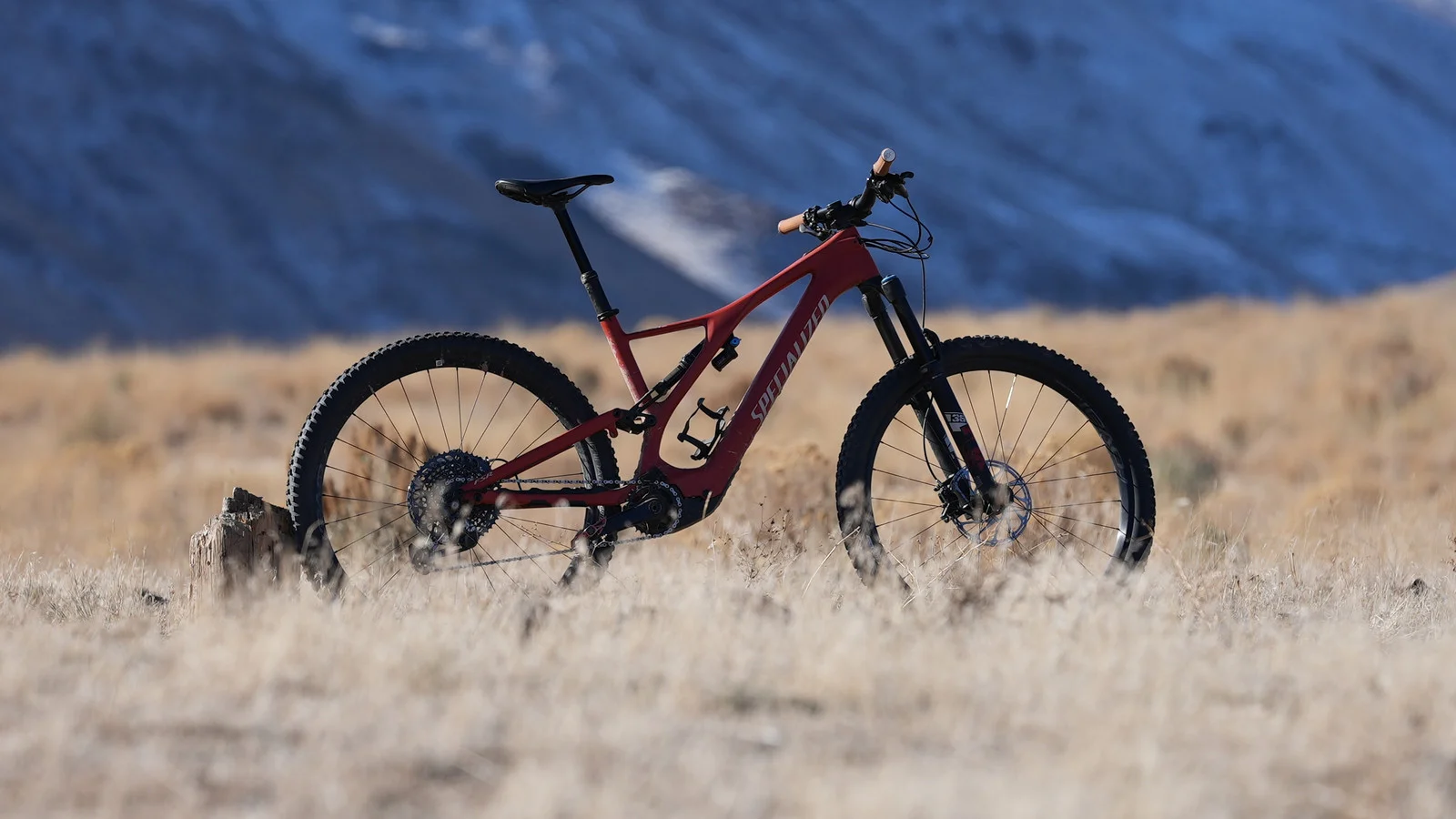
Goal: Effective e-bike training uses electric assistance for precise heart rate control, more training volume and faster development of technical skills.
An e-bike doesn't remove effort, it modulates it. Proper e-bike training means you choose how many watts you give and how many the motor gives, which eliminates "junk miles" (useless kilometres) and overtraining on climbs.
Glossary of Key Terms
1. Physiology: How to Do Quality E-Bike Training
The biggest misconception is that you don't burn calories on an e-bike. E-riders often spend longer on the bike (volume), which makes up for the lower intensity.
| Mode (Bosch/Shimano) | Training Goal | How It Works |
|---|---|---|
| ECO (Min) | Base (Zone 2) | Cancels out the bike's weight. Feels like a regular MTB on flat ground. Ideal for long rides. |
| TOUR / TRAIL | Tempo / Sweet Spot | Dynamic riding. Used on technical climbs where you need help over roots. |
| TURBO / BOOST | Power / Technique | Intervals on otherwise impossible climbs. The focus is on controlling a "wild" bike, not on fitness. |
| OFF (Switched off) | Strength training | Only on short, flat sections. Hauling a 24kg bike is serious strength work. |
2. The "Smart" Bike: Cadence and Efficiency
Your e-bike training is only "smart" if the motor and your legs work in symbiosis.
3. Technical Benefits: Heavier Bike = Better Rider
Regular e-bike training on an e-MTB dramatically improves your handling skills, which later carry over to a regular bike.
4. Braking Protocol (E-Bike Specific)
Physics is unforgiving. Stopping 100kg+ is harder. E-bikes require an earlier braking point.
- Hardware: 203mm rotors and 4-piston brakes are a must. Don't skimp on brake pads.
- Body: You need to be more active in shifting your weight back when braking, so the front wheel doesn't "dive" under the weight of the battery.
5. The Battery as a Training Metric
Instead of kilometres, track your W/h consumption (watt-hours). This is a unique feature of e-bike training.
Goal: Burn through 500Wh with minimal assist. This makes you work more and the motor less. If you come back with 60% battery, you didn't try hard enough. If you come back with 5%, you've done a proper workout.
Pro Tips for E-Bike Training
Most motors (Bosch, Shimano) have a companion app. Set Eco mode to the minimum (e.g. 30% assist). That turns your e-bike into a perfect machine for base training.
In Turbo mode on a technical climb, watch out for uncontrolled acceleration. Keep one finger on the rear brake to modulate the motor's power.
If you ride with "regular" cyclists, you're the "pack mule". Carry the tools and the water. Ride in Eco mode so the effort is evenly matched.