Protocol: "Smart" Weight Loss on a Bike
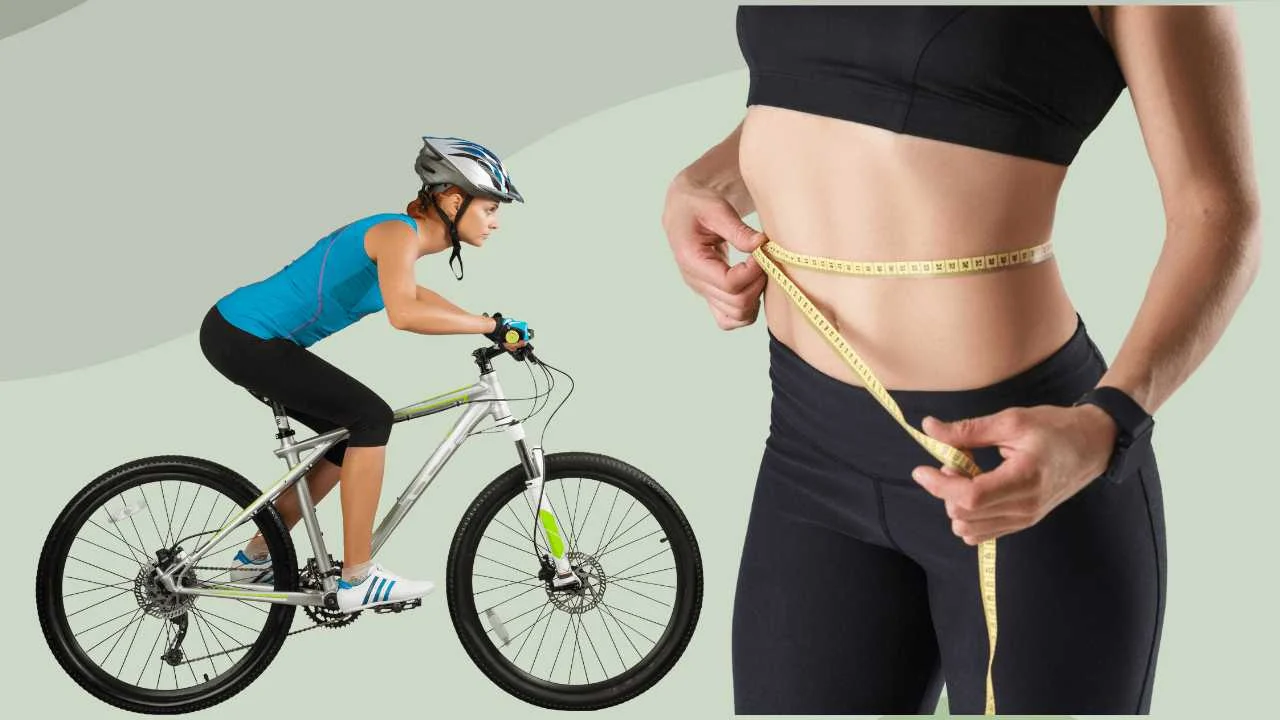
Goal: Train your body to use fat stores as its primary fuel (fat adaptation) while preserving muscle mass, which is the core idea behind cycling for weight loss.
Losing weight is not a sprint, it's a marathon. This cycling for weight loss protocol combines long, low-intensity rides (to burn fat directly) with short intervals (to speed up your metabolism).
Glossary of Key Terms
1. Physiology: Why Does Cycling for Weight Loss Require Low Intensity?
When you ride very fast (high heart rate), your body goes into stress mode. Stress demands quick fuel: sugar (glycogen). Fat is a slow fuel.
Golden rule: To melt body fat, you need to ride slowly enough to hold a conversation, but long enough to burn real energy. That's the essence of Zone 2 training.
2. Training Plan Table for Cycling for Weight Loss
This weight loss training plan combines volume (Z2) for direct fat burning with intensity (intervals) to speed up your metabolism.
| Day | Workout Type | Duration & Zone | Goal |
|---|---|---|---|
| Monday | Rest | - | Hormone recovery. |
| Tuesday | Intervals | 45 min (Zone 4) | EPOC effect (burning calories after the ride). |
| Wednesday | Fat Burner | 60-90 min (Zone 2) | Direct fat oxidation. |
| Thursday | Active recovery | 30 min easy / Walk | Circulation without stress. |
| Friday | Rest | - | Preparation for the weekend. |
| Saturday | Long ride | 2h+ (Zone 2) | Burning a large amount of calories. |
| Sunday | Recovery | Easy walk | Lowering cortisol. |
3. Nutrition: Don't "Eat" Your Ride
The biggest mistake recreational riders make is overestimating how much they burn. Apps often show 20-30% more calories burned than reality.
The Meal AFTER Your Ride
This is the key. Many riders reward themselves with pizza ("I earned it"), which wipes out the effort.
High protein + Lots of vegetables + Few carbs.
E.g. chicken, a big salad and a smaller portion of rice. It will keep you full and repair your muscles, without putting the fat back on.
4. The "Fasted Cardio" Myth (Training on an Empty Stomach)
For Level 2 recreational riders, training with no food at all can be a double-edged sword.
If you start a hard workout hungry, your body releases cortisol (the stress hormone). Cortisol pushes the body to hold on to belly fat and break down muscle.
If you ride in the morning, have a black coffee and maybe a little protein or a handful of almonds. This "tricks" hunger without raising insulin drastically, keeping your body in the fat-burning zone.
5. Common Mistakes That Sabotage Your Weight Loss
The psychological trap of "I trained, so I can eat". People often take in 1000 kcal after a ride that burned 600 kcal. To succeed at cycling for weight loss, you have to track your intake after training too.
If you ride under 90 minutes to lose weight, sugary isotonic drinks are unnecessary. They raise insulin and block fat burning. Stick to water and sugar-free electrolytes.
Pro Tips for Losing Weight on Two Wheels
Spin the pedals faster (90 RPM). It fatigues your muscles less and works your cardiovascular system more, which lets you train longer and burn more.
Juices, sweetened coffees and alcohol are enemy number one. Two beers after a ride can cancel out all your effort.
Lack of sleep raises the hunger hormone (ghrelin). Also, riding in cooler weather burns more calories because of thermoregulation.